


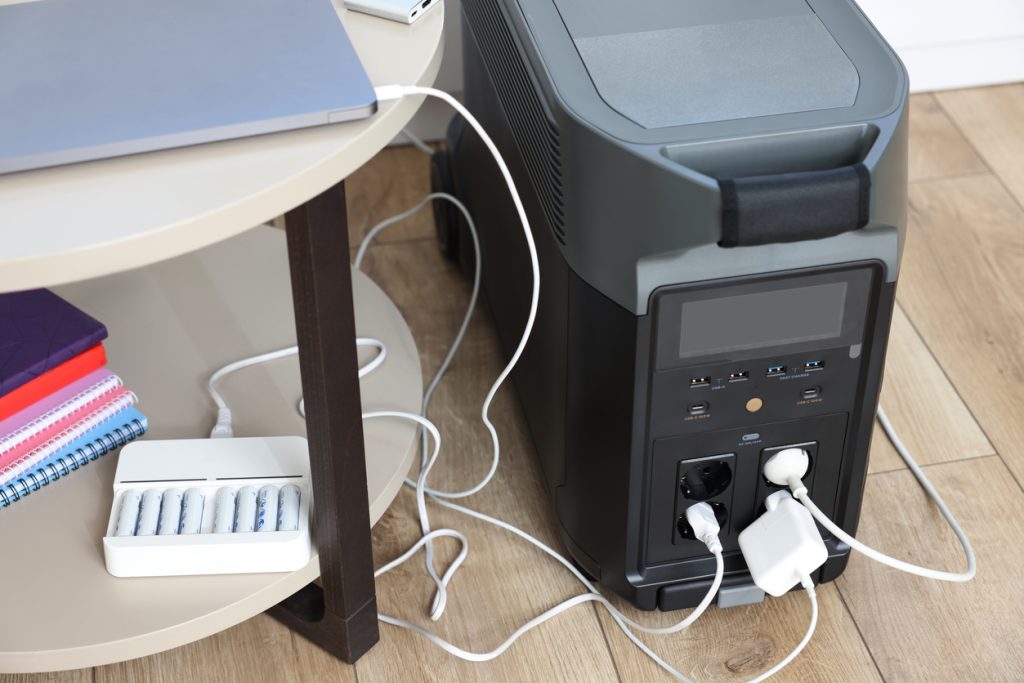
When your inverter battery is not charging in Lagos, the problem is not always the battery itself. A faulty charger, loose connection, low mains voltage, damaged cable, or an ageing battery can all prevent the system from charging properly.
This can become a serious problem for homes, offices, shops and businesses that depend on backup power, especially when NEPA supply is unpredictable.
Before replacing the battery, it is worth identifying what is actually causing the charging problem.
Start With the Simple Checks
If your inverter suddenly stops charging, check the basics first.
Make sure:
- The inverter is receiving electricity from the mains.
- The charging indicator is showing the expected status.
- The battery terminals are firmly connected.
- There are no loose, burnt or damaged cables.
- The inverter has not gone into a fault or protection mode.
- The battery has not been completely discharged for an extended period.
In Lagos, frequent power changes can also expose weaknesses in an already ageing backup system. If your inverter works normally when power returns but the battery percentage barely increases, the charging system deserves attention.
Why Your Inverter Battery May Not Be Charging
1. The battery is old or damaged
Lead-acid batteries gradually lose their ability to hold and accept charge. If your battery has been in use for several years and now discharges quickly or refuses to reach full charge, replacement may eventually be necessary.
A battery that becomes unusually hot, swollen or physically damaged should not be used casually. Get it inspected by a qualified technician.
2. There is a problem with the inverter charger
The inverter itself contains the charging circuitry responsible for replenishing the battery when electricity is available.
If mains power is reaching the inverter but the battery is not charging, the charger’s fuse, circuit board or charging components may be faulty.
This is one reason simply buying another battery can waste money if the actual fault is inside the inverter.
3. Poor battery connections
Corroded or loose battery terminals can interfere with charging. This is particularly important with systems installed in areas where dust, heat and humidity are common.
Switch off the appropriate equipment before inspecting connections, and avoid working on exposed electrical terminals if you are not trained to do so.
4. Low or unstable electricity supply
Voltage fluctuations are a familiar issue for many Lagos households and businesses. An inverter may receive electricity without receiving a stable enough supply to charge correctly.
If the charging problem happens mainly when public power is available, have the incoming supply and inverter charging voltage checked rather than assuming the battery is faulty.
5. Incorrect battery settings
Some inverter systems allow charging parameters to be configured based on the battery type and capacity.
An incorrect setting can affect how the battery charges, particularly with systems using different battery technologies such as lithium-ion or lead-acid batteries.
What You Should Do Before Buying Another Battery
If your inverter battery is not charging in Lagos, don’t immediately spend money on a replacement.
A proper technician should check the:
- Battery voltage and condition
- Charging voltage from the inverter
- Battery terminals and cables
- Inverter fault indicators
- Mains input
- Battery type and inverter settings
This helps distinguish between a bad battery and a charging-system problem.
For example, replacing a ₦200,000+ battery only to discover that the inverter’s charging circuit is faulty can leave you with the same problem and an unnecessary expense.
When You Need Professional Help
Get a qualified technician involved if the inverter repeatedly shows a charging fault, the battery becomes hot or swollen, there is a burning smell, cables are overheating, or the system trips whenever charging begins.
Don’t open an inverter or attempt electrical repairs simply because the battery is not charging. Battery banks can deliver significant current, and incorrect connections can cause equipment damage or injury.
For businesses, it is also worth having the entire backup-power setup assessed rather than waiting for the battery to fail completely. A properly maintained system can help keep essential equipment, communications and daily operations running during power interruptions.
Keeping Your Backup System Reliable in Lagos
If you rely heavily on an inverter, don’t wait until the battery is completely dead before checking the system.
Keep the battery area properly ventilated, avoid overloading the inverter beyond its rated capacity, inspect connections periodically, and pay attention to changes in runtime or charging behaviour.
For offices and businesses that depend on continuous operations, backup power should be treated as part of the wider operational infrastructure, not just something to repair during a blackout.
If you need help assessing your backup-power or energy requirements, Travo.ng can help you explore suitable energy solutions based on your operational needs.
