


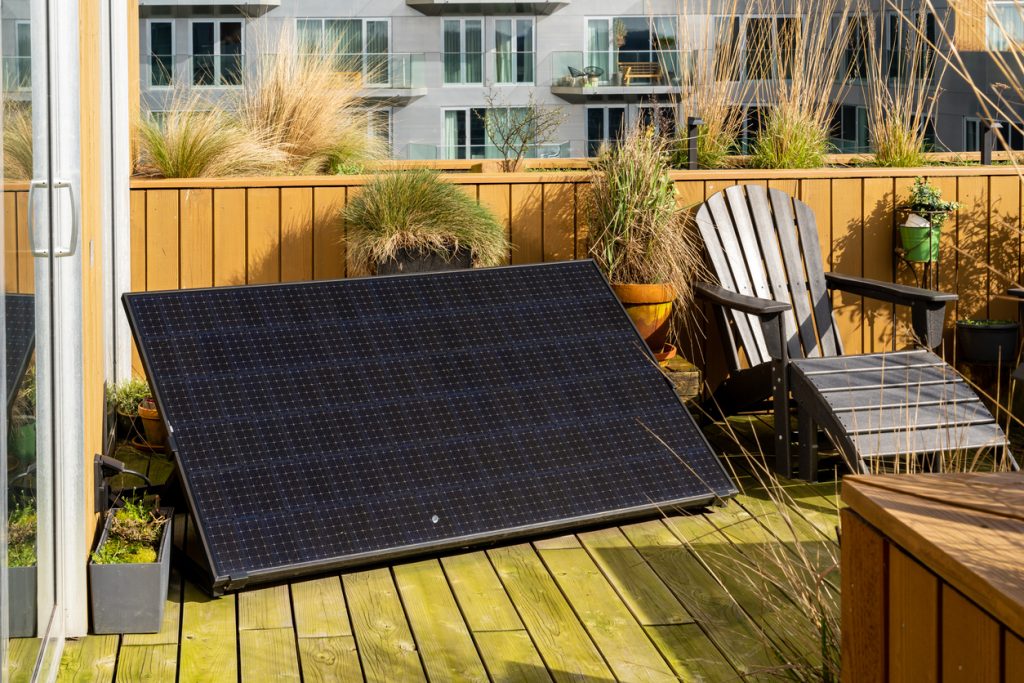
A hybrid solar system conversion in Abuja can help homes and businesses reduce their dependence on generators without completely abandoning other power sources. Instead of relying on one supply, a hybrid setup combines solar panels, battery storage, an inverter, grid electricity and, where necessary, generator backup.
For Abuja residents dealing with outages, rising diesel or petrol costs, and long generator running hours, conversion is often more practical than replacing an existing electrical setup from scratch. The important part is designing the system around actual daily consumption rather than simply buying more panels or batteries.
What Usually Changes During a Hybrid Solar Conversion
Many properties in Abuja already have an inverter, batteries or a generator. A conversion typically involves assessing what can remain and adding the components needed to make solar power work efficiently with the existing system.
A technician may check:
- Current inverter capacity
- Battery condition and storage capacity
- Daily electricity consumption
- Roof space and sunlight exposure
- Existing solar panels, if any
- Generator and grid connections
- High-load equipment such as air conditioners, pumps and freezers
For example, a household in Gwarinpa using lights, televisions, fans, refrigerators and basic electronics needs a very different system from an office in Wuse running multiple computers, printers and air conditioners throughout the day.
Do Not Size the System Around Your Generator
One common mistake is assuming that because a property uses a 10kVA generator, it automatically needs a similar-sized solar installation.
Generator capacity does not show how much electricity is continuously consumed.
Before arranging hybrid solar system conversion in Abuja, it is better to identify essential loads. A home may decide that refrigerators, lighting, Wi-Fi, televisions and selected sockets should remain powered during outages while heavy air conditioners or water heaters stay off the battery circuit.
This reduces unnecessary battery and inverter costs while extending backup time.
How Solar, Batteries and NEPA Work Together
A properly configured hybrid system automatically decides where power should come from.
During strong daylight hours, solar panels can power appliances while charging the batteries. When solar production reduces in the evening, stored battery energy becomes available.
If battery capacity drops beyond a selected level, Abuja Electricity Distribution Company supply or a generator can provide backup where available.
This arrangement is particularly useful for businesses that cannot afford sudden interruptions but also do not want generators running for eight or ten hours daily.
Battery Capacity Matters More Than Many Buyers Expect
Solar panels generate electricity, but batteries determine how long appliances can continue operating when sunlight disappears.
Someone requesting overnight backup in Maitama, Kubwa or Lugbe should therefore calculate expected evening consumption carefully.
Lithium batteries are increasingly used because they generally provide deeper usable capacity and longer cycle life than traditional lead-acid options, although the upfront investment is usually higher.
Rather than selecting a battery based only on price, consider the appliances it must support and the number of backup hours required.
Converting Without Disrupting Daily Operations
For offices, shops and residential properties, installation planning matters.
Technicians may need access to distribution boards, inverter locations, roofs and battery areas. Businesses should identify periods when brief power isolation will cause the least disruption.
Travo.ng can support customers arranging hybrid solar system conversion in Abuja, particularly where equipment sourcing, delivery, transport coordination or installation logistics need to be organised.
For larger projects, moving solar panels, batteries, mounting materials and electrical equipment safely to locations across Abuja can require coordinated delivery rather than ordinary parcel transport.
Check These Details Before Paying for a Conversion
Before approving the work, request a clear breakdown showing:
- Proposed inverter capacity
- Number and wattage of solar panels
- Battery type and usable storage
- Estimated essential load
- Expected daytime and nighttime performance
- Equipment warranties
- Installation materials included
- Whether existing equipment will be reused
Avoid quotations that simply promise “24-hour solar” without explaining the load assumptions behind that claim. Backup time changes dramatically depending on whether you are powering lights and refrigerators or several air conditioners.
A well-planned hybrid solar system conversion in Abuja should reduce unnecessary generator use while giving the property several practical power options. By assessing existing equipment first, separating essential from heavy loads, and coordinating the required equipment and installation logistics properly, homeowners and businesses can build a system that fits how electricity is actually used each day.
Travo.ng can assist with the transport, delivery, sourcing coordination and other logistics required to move solar equipment and related materials across Abuja and other parts of Nigeria.
