


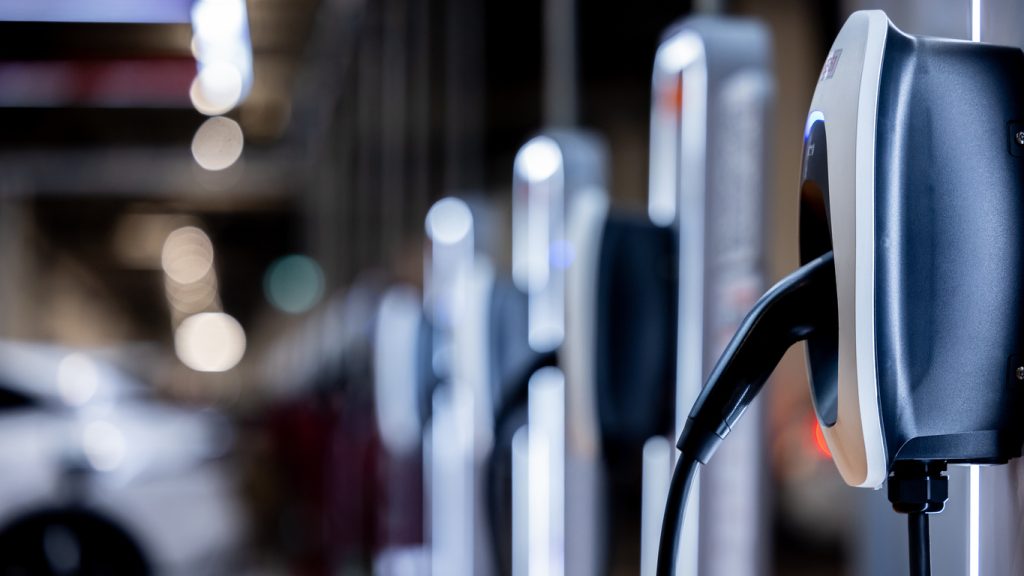
Owning an electric vehicle in Nigeria is much easier when you can charge it properly at home. A home wallbox charger installation gives EV owners a dedicated charging point instead of depending on public charging stations or repeatedly using a standard household socket.
This is particularly useful in Lagos, Abuja and other cities where public EV charging infrastructure is still developing. You can return home, connect your vehicle and allow it to charge while parked overnight.
Travo.ng can help coordinate home EV charging solutions alongside its wider transport and mobility support, making it easier for households and businesses adopting electric vehicles to arrange a practical setup.
What to Check Before Installing a Wallbox at Home
Buying a charger is only part of the process. Your property’s electrical system must be assessed before installation.
An installer will typically need to check the available electrical supply, distribution board, earthing arrangement, cable route and the power requirements of the charger. The EV itself matters too because charging capabilities differ between vehicle models.
For example, installing a wallbox in a detached house in Abuja may be straightforward if the parking area is close to the distribution board. An installation at a Lagos apartment with parking several floors away can require considerably more cabling and planning.
Before booking, confirm:
- Your EV make and model
- Wallbox power rating and compatibility
- Location of your normal parking space
- Distance from the distribution board
- Whether you have single-phase or three-phase power
- Whether additional electrical protection is required
A proper site assessment helps prevent buying equipment that cannot be used effectively at the property.
Why a Dedicated Charger Makes Daily EV Use Easier
Many new EV owners initially consider charging through an ordinary domestic socket. Although some vehicles can use portable charging equipment where the electrical installation and equipment are suitable, a professionally installed wallbox is generally the more practical solution for regular home charging.
A dedicated unit can provide faster charging than a basic socket arrangement, depending on the vehicle, charger and electricity available at the property.
The biggest advantage is routine.
Someone commuting daily between Lekki and Victoria Island, for example, does not want to spend every evening searching for somewhere to recharge. Home charging allows the vehicle to replenish its battery while the owner is sleeping or carrying out other activities.
Lagos Homes Can Present Installation Challenges
Home wallbox charger installation is not identical across properties.
In estates around Lekki, Ajah and Ikeja, installers may need approval before running new cables or mounting equipment in shared areas. Apartment residents can face additional issues because their allocated parking space may be far from their individual electricity meter.
Power availability also needs consideration. Adding an EV charger to a property already running air conditioners, water heaters, pumps and other heavy appliances may require load assessment or electrical upgrades.
This is why installation should not begin with drilling a wall. It should begin with understanding the property.
Plan How You Will Power the Charger
Nigeria’s electricity situation makes power planning especially important.
A wallbox does not create electricity; it only provides the connection between the available power supply and your vehicle. If grid supply in your area is unreliable, consider how EV charging will fit into your existing energy arrangement.
Some households with sufficiently designed solar and battery systems may incorporate vehicle charging into their energy plans. Others schedule charging around periods when grid electricity is available.
Avoid assuming that an existing inverter or solar installation can automatically support an EV charger. Its capacity, battery storage, inverter output and household demand must all be considered.
What a Proper Installation Should Leave You With
After installation, the charging point should be securely mounted, appropriately protected and tested before routine use.
You should also understand how to operate the unit, disconnect safely and recognise basic fault indications. Keep the charger’s documentation and warranty information somewhere accessible.
For outdoor parking, equipment suitability and protection from weather should also form part of the installation decision.
Arrange Your Home EV Charging Setup With Travo.ng
As electric vehicles become more common in Nigeria, convenient home charging will become an increasingly important part of everyday mobility.
Travo.ng can help customers arrange home wallbox charger installation and related mobility support without treating the charger as a simple plug-and-play accessory. The focus is on matching the charging solution to the vehicle, property and everyday driving needs.
Whether you are preparing for a new EV in Lagos, setting up charging at an Abuja residence or planning charging facilities for company vehicles, you can contact Travo.ng to discuss the requirements and coordinate the next steps.
