


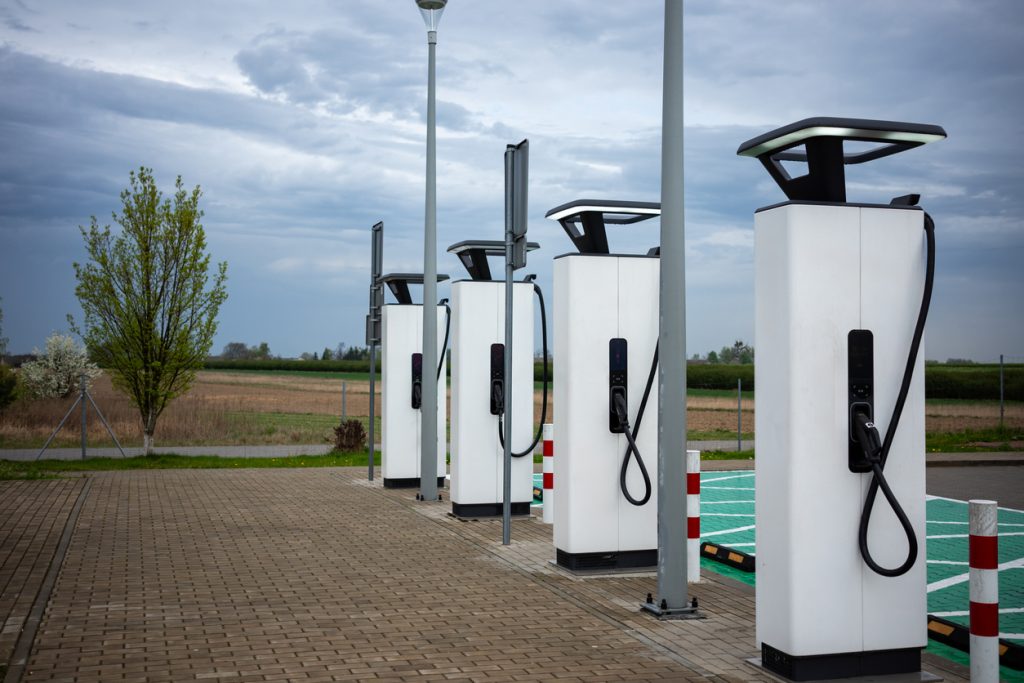
Owning an electric vehicle is much easier when you can charge it where you park overnight. Instead of depending on a public charging point or planning trips around available chargers, Home fast charger installation gives EV owners a practical way to start each day with enough battery for normal movement around Lagos, Abuja, or other Nigerian cities.
However, installing a home EV charger involves more than fixing a charging unit to a wall. The electrician has to consider your vehicle, available electricity supply, existing wiring, distribution board capacity, parking position and how power reaches the charger safely.
Travo.ng can help coordinate the practical side of the process, including equipment movement, technician arrangements and installation logistics where required.
Check Your Home Power Supply Before Buying a Charger
One mistake EV owners make is buying a charger before confirming what their property can support.
Most home fast-charging arrangements use AC charging rather than the large DC rapid chargers found at commercial charging stations. Depending on the vehicle and electrical installation, homeowners may consider chargers such as 7 kW, 11 kW or 22 kW units.
That does not automatically mean the biggest charger is the best choice.
A qualified technician should first inspect:
- your distribution board and available electrical capacity;
- the cable distance between the board and parking space;
- whether the property has single-phase or three-phase supply;
- earthing and protective devices;
- the maximum AC charging rate supported by your vehicle.
Installing an oversized charger on an unsuitable electrical system can create unnecessary expense without making the vehicle charge any faster.
Where You Park Affects Installation Cost
A charger installed beside a garage distribution board is normally simpler than one installed at a detached parking area several metres from the house.
In Lagos homes, for example, vehicles may be parked inside a compound while the main electrical panel is deep inside the building. Running a dedicated cable to the parking area could require conduit work, drilling or underground routing.
Apartments and shared estates can be more complicated because permission may be needed before cables are routed through common areas.
For this reason, home EV charger installation costs should normally be assessed after a site inspection rather than estimated from the charger price alone.
Think About Generator, Solar and Inverter Power
Nigeria’s electricity situation creates another consideration that EV owners elsewhere may not face.
If your house switches between grid electricity, an inverter, solar system and generator, the installer needs to understand how those systems interact before connecting a charger.
A household inverter designed for lights, televisions and refrigerators may not be suitable for simultaneously supplying a high-demand EV charger.
Homes with sufficiently designed solar and battery systems may be able to integrate vehicle charging, but the capacity of the inverter, batteries, solar array and protection equipment has to be considered together.
The objective is not simply to make the charger work. It is to prevent EV charging from overwhelming the rest of the property’s power system.
Put the Charger Where Daily Charging Is Convenient
Cable length and parking habits matter more than many first-time EV owners expect.
The charger should ideally be positioned where you can park normally and connect the vehicle without stretching the charging cable across a driveway or pedestrian area.
Outdoor equipment should also be appropriate for its installation environment and protected from accidental vehicle impact where necessary.
Planning the position properly during Home fast charger installation saves the inconvenience of relocating the unit later.
Moving the Charger and Installation Equipment
Some installations require more logistics than homeowners initially expect. The charging unit, electrical cable, protective equipment, conduit and mounting materials may need to be collected from different suppliers before the technician arrives.
This is where Travo.ng can support the process through delivery, transport coordination and movement of installation equipment.
For customers purchasing EV charging equipment in Lagos or arranging installation at another location, combining equipment delivery with technician scheduling can reduce unnecessary delays.
Arrange Your Home EV Charger Setup Properly
A good home charging setup should suit both the vehicle and the property rather than simply provide the highest advertised charging speed.
Before installation, confirm your EV’s charging capability, inspect the electrical system, decide where the vehicle will normally park and discuss alternative power sources such as solar or inverter systems with a competent installer.
Travo.ng can help customers coordinate Home fast charger installation, equipment delivery and related transport requirements, making it easier to organise the different parts of the setup through one practical service arrangement.
With the right planning, home charging becomes less about searching for somewhere to plug in and more about simply parking, connecting your vehicle and preparing for the next journey.
