


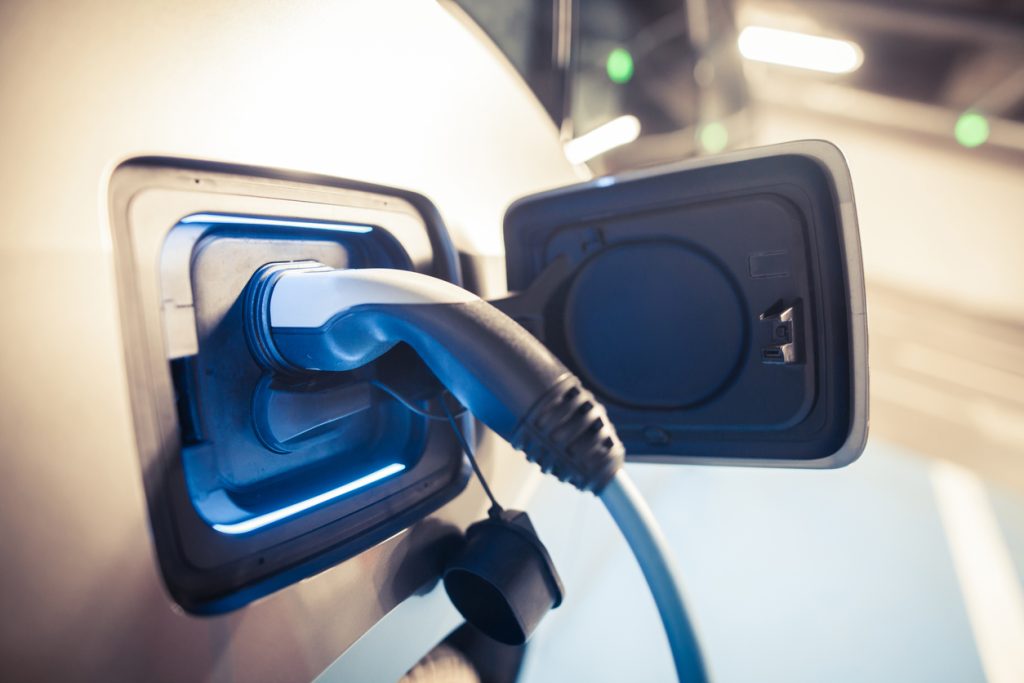
Building future proof EV charging infrastructure in Nigeria is not simply about installing a charger that works today. The bigger challenge is making sure the site can handle more electric vehicles, higher charging speeds, additional chargers and changing power requirements over the next several years.
A business installing two chargers for a small Lagos fleet today may need ten charging points once more vehicles are electrified. An estate developer may initially serve residents with overnight charging but later face demand for faster units. Without proper planning, expansion can mean replacing cables, switchgear or even rebuilding parts of the electrical installation.
Good EV charging infrastructure therefore starts with capacity planning rather than simply choosing the cheapest charger.
Start With the Number of Vehicles You Expect Tomorrow
One common mistake is sizing an EV charging site only around current demand.
Suppose a logistics company in Ikeja operates four electric delivery vehicles. Installing four chargers may appear sufficient, but the fleet could double within two years.
A better infrastructure plan considers:
- Current electric vehicles
- Expected fleet growth
- Average daily driving distance
- Vehicle battery capacity
- Available charging hours
- Future fast-charging requirements
- Additional electrical load from other equipment
For fleet operators, charging schedules matter almost as much as charger quantity. Vehicles parked overnight may work comfortably with slower AC charging, while taxis, delivery vans and commercial vehicles returning to the road quickly may require higher-powered charging.
Check the Power Supply Before Installing More Chargers
Nigeria presents a particularly important infrastructure challenge because electricity availability varies significantly between locations.
A charging project in Victoria Island may face a completely different power situation from one in Abuja, Port Harcourt or an industrial area along the Lagos-Ibadan corridor.
Before installation, operators should assess available grid capacity alongside alternative power arrangements. Depending on the site, this could involve solar generation, battery storage or other backup systems.
Simply adding several high-powered chargers without checking the site’s electrical capacity can create expensive problems later.
Future proof EV charging infrastructure should therefore leave room for electrical upgrades, additional distribution equipment and increased charging demand.
Leave Space for Expansion From Day One
Civil works can become one of the hidden costs of expanding an EV charging station.
If cables need to be routed beneath a car park that has already been paved, adding another charger later can mean reopening finished surfaces and disrupting operations.
Where possible, initial construction should include spare conduits, cable routes, distribution capacity and physical space for additional chargers.
For example, a commercial property expecting eight chargers eventually might initially activate only three charging points while preparing underground infrastructure for the remaining five.
This approach usually makes expansion less disruptive.
Smart Charging Can Reduce Pressure on Available Power
Not every electric vehicle needs to charge at full power simultaneously.
Smart charging systems can distribute available electricity according to vehicle requirements, charging schedules and site capacity.
Consider a Nigerian company with 20 EVs parked overnight. If all vehicles are connected around 7 p.m., uncontrolled charging could create a significant power spike.
A load-management system can stagger charging throughout the night, prioritising vehicles scheduled to leave first.
For commercial fleets, hotels, residential estates and office developments, this can help make existing electrical capacity work harder before major power upgrades become necessary.
Plan Charging Around Real Nigerian Driving Patterns
Infrastructure decisions should reflect how vehicles are actually used.
A delivery fleet operating around Lekki, Ikeja and Surulere has different charging requirements from an interstate vehicle travelling between Lagos and Ibadan.
Likewise, airport transfer vehicles serving Murtala Muhammed International Airport may need reliable turnaround charging because cars can spend much of the day moving passengers.
Understanding daily mileage, traffic delays, vehicle downtime and operating hours helps determine whether AC destination charging, faster DC charging or a mixture of both makes operational sense.
Supporting EV Charging Projects With Practical Logistics
Installing charging infrastructure also involves moving equipment, coordinating technicians and delivering electrical components to project sites.
Travo.ng can support businesses working on future proof EV charging infrastructure through transport coordination, cargo movement, courier services, vehicle hire and business logistics support across Nigeria.
For projects involving chargers, batteries, electrical cabinets or installation materials, coordinated delivery can help ensure equipment reaches the site when installers are ready rather than sitting unnecessarily in storage.
Nigeria’s electric mobility market is still developing, which makes flexibility especially valuable. Infrastructure designed with spare capacity, scalable power systems and realistic vehicle-use patterns can adapt much more easily as EV adoption increases.
The strongest charging projects are therefore not necessarily the biggest installations today. They are the ones designed so that adding the next vehicle, charger or power source does not require starting again from scratch.
