


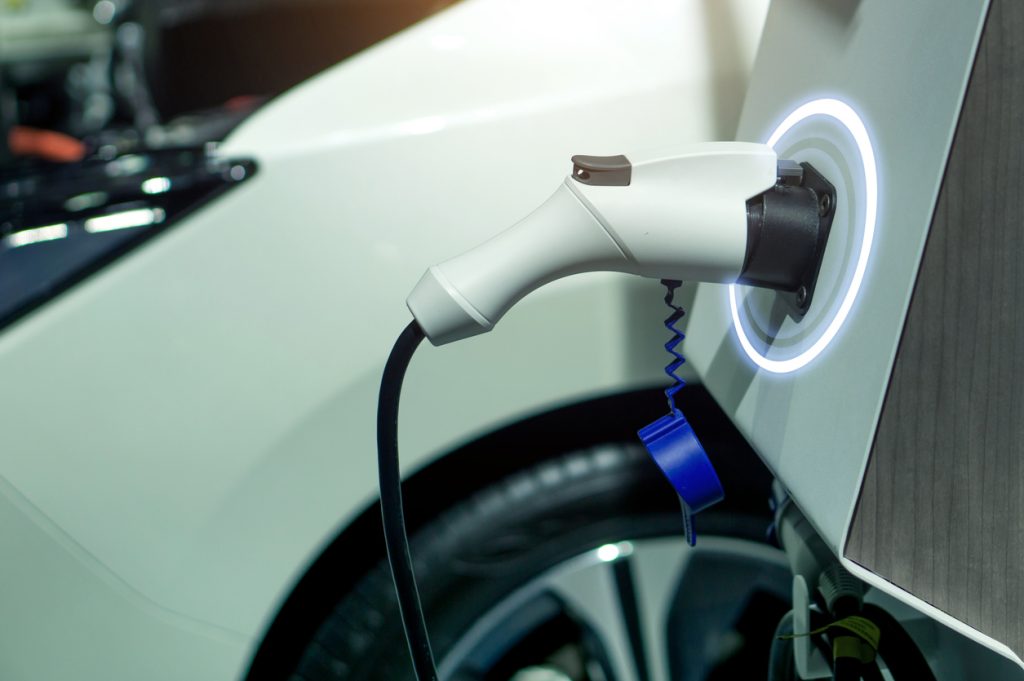
For Nigerian companies adding electric vehicles to their operations, buying the vehicles is only one part of the transition. The bigger question is whether the business has the charging, power supply and operational structure to keep those vehicles working every day.
Good EV infrastructure for growing business should be planned around how vehicles are actually used. A delivery company in Lagos, for example, may need several vehicles ready by 7 a.m., while a corporate fleet may have cars parked overnight for much longer periods. These businesses require different charging arrangements.
Travo.ng helps businesses coordinate practical transport and mobility solutions, including vehicle operations, logistics support and the movement of equipment required for expanding fleet infrastructure.
Start With How Your Vehicles Actually Operate
Installing chargers before studying vehicle movement can create expensive problems.
A business should first look at:
- Number of electric vehicles currently in the fleet
- Expected fleet size over the next two or three years
- Daily kilometres travelled
- How long vehicles remain parked
- Where vehicles normally return after trips
- Existing electricity supply at the facility
- Whether backup power will be required
Consider a Lagos delivery business operating vehicles between Ikeja, Yaba, Victoria Island and Lekki. If each vehicle returns to the same depot every evening, overnight depot charging could be practical.
A company whose vehicles remain on the road for longer periods may need access to additional charging points.
Power Capacity Can Become the Real Bottleneck
One mistake businesses make is assuming that installing an EV charger is similar to plugging in ordinary office equipment.
Several vehicles charging at the same time can place considerable demand on a building’s electrical system.
Before installation, businesses should assess their available power capacity, distribution board, cabling and charging requirements with qualified electrical professionals.
Power reliability also matters in Nigeria. Companies operating from areas with unstable grid supply may need to consider how solar systems, battery storage or other backup arrangements fit into their charging plan.
This is particularly important for logistics businesses where a vehicle that is not charged can mean delayed deliveries the following morning.
Plan Charging Around Vehicle Downtime
The fastest charger is not automatically the best option.
If company vehicles normally remain at a warehouse from 7 p.m. until 6 a.m., slower overnight charging may meet operational requirements without unnecessarily increasing infrastructure costs.
On the other hand, vehicles completing several shifts daily may need faster charging between trips.
A practical EV infrastructure plan therefore considers turnaround time rather than simply purchasing the highest-powered equipment available.
Leave Room for the Fleet to Grow
Businesses should avoid designing charging infrastructure only for the vehicles they own today.
A company starting with three electric vans could have ten or twenty within a few years. Installing electrical infrastructure that cannot accommodate expansion may mean repeating expensive cabling, civil works and electrical upgrades later.
Where possible, businesses can prepare parking layouts, electrical capacity and charger locations with future fleet expansion in mind.
Moving EV Equipment Also Requires Logistics Planning
Chargers, battery systems, electrical components and related equipment may need to move from ports, warehouses or suppliers to installation sites.
That movement becomes more complicated when businesses operate multiple locations.
For example, a company expanding charging facilities across Lagos, Abuja and Port Harcourt may need coordinated cargo movement, vehicle support and scheduled deliveries so equipment reaches each site when installers are ready.
Travo.ng can support businesses with cargo logistics, transport coordination, vehicle arrangements and business logistics services required during infrastructure expansion.
Build the Infrastructure Around the Business
Successful EV infrastructure for growing business is not simply about installing charging points. It is about creating a system that supports everyday operations without becoming a new source of delays.
Businesses should plan charging capacity, electricity supply, vehicle schedules, equipment movement and future fleet growth together.
For companies expanding their transport operations in Nigeria, Travo.ng can help coordinate the logistics and mobility side of that transition, from moving equipment between locations to arranging transport and operational support as the business grows.
