


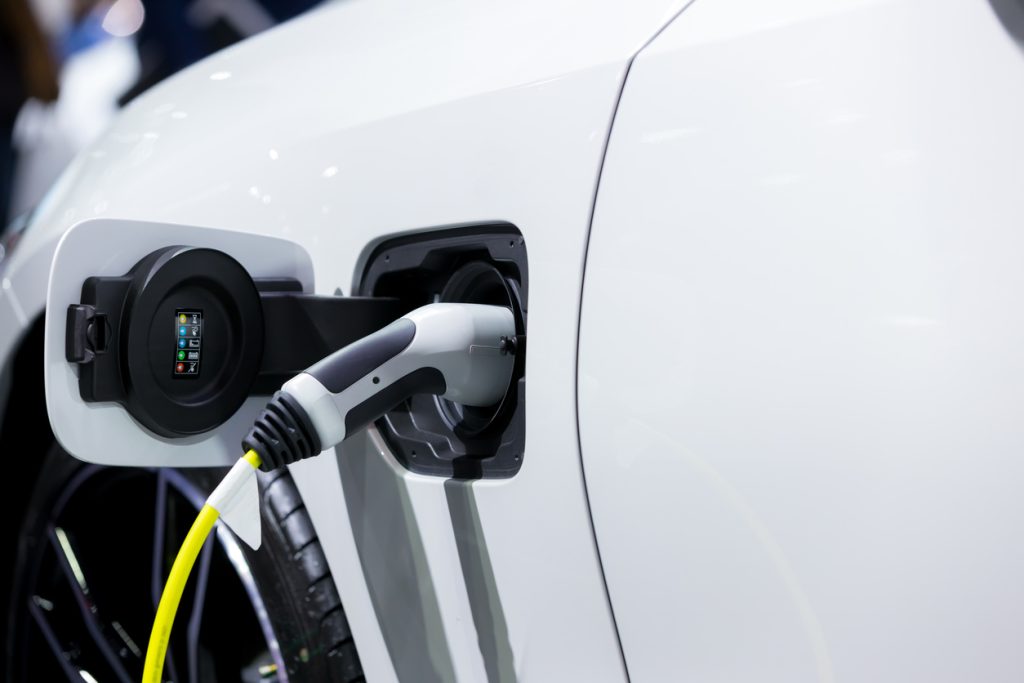
Hospitals depend on transport more than most organisations realise. Ambulances move patients, administrative vehicles run errands, staff travel between facilities, and medical supplies must sometimes be collected urgently. As healthcare providers gradually introduce electric vehicles into their fleets, having an EV charging station for hospitals becomes part of keeping those vehicles ready for daily operations.
In Nigeria, installing chargers at a hospital is not simply a matter of finding an empty parking space and connecting equipment. Power availability, vehicle movement, emergency access and charging speed all need to be considered.
Travo.ng can support hospitals and healthcare organisations with transport coordination, vehicle logistics and practical mobility planning as they prepare for electric fleet operations.
Where Hospital EV Chargers Should Actually Be Installed
A charger placed in the wrong part of a hospital compound can create unnecessary movement and congestion.
For example, an electric ambulance should not have to cross a busy visitor parking area before reaching its charging point. Similarly, staff vehicles that remain parked for several hours do not necessarily require the same charging location as operational vehicles.
A practical hospital charging layout may separate:
- emergency and ambulance charging;
- staff electric vehicle parking;
- management and operational fleet vehicles;
- visitor charging where available.
Hospitals in busy parts of Lagos, Abuja or Port Harcourt also need to consider limited parking space. Charging bays should not interfere with patient drop-off points, ambulance entrances or delivery vehicles bringing medical supplies.
Charging Speed Should Match How the Vehicle Is Used
Not every hospital vehicle needs the fastest charger available.
A staff vehicle parked throughout an eight-hour shift can usually remain connected much longer than an ambulance or operational vehicle that may be required again within a short period.
Before installing an EV charging station for hospitals, the facility should examine how frequently each vehicle moves, its daily mileage and how long it normally remains parked.
Fast charging can make more sense for vehicles that operate repeatedly during the day. Slower charging may be adequate for vehicles that stay overnight.
This approach can prevent hospitals from spending heavily on charging capacity they do not actually need.
Nigeria’s Power Situation Has to Be Part of the Plan
A charger is only useful when dependable electricity reaches it.
Hospitals already manage sensitive power requirements for theatres, laboratories, wards, cold storage and medical equipment. EV charging therefore has to be planned without placing unnecessary pressure on critical hospital loads.
Depending on the facility, the charging arrangement may need to work alongside grid electricity, solar power, battery storage or an existing backup power system.
Load assessment is particularly important before several vehicles begin charging at the same time. The hospital’s electrical team should understand both existing consumption and the additional demand created by the proposed fleet.
Plan Around Ambulances and Other Time-Critical Vehicles
Hospital transport cannot always wait for convenient charging hours.
Consider an electric ambulance returning from a long transfer between a hospital in Ikeja and another facility on Lagos Island. If the vehicle arrives with a low battery and another patient transfer is expected shortly, charging availability immediately affects operations.
Hospitals introducing electric ambulances should therefore plan:
- minimum battery levels before dispatch;
- priority access to charging bays;
- charging between scheduled movements;
- backup vehicles for unexpected emergencies;
- routes where charging opportunities are limited.
The same thinking applies to medical delivery vehicles moving laboratory samples, equipment or pharmaceuticals between facilities.
Fleet Planning Makes Hospital Charging More Useful
Installing chargers without reviewing transport operations can leave a hospital with infrastructure that is poorly used.
Healthcare organisations should first determine which vehicles are realistic candidates for electrification. Vehicles running predictable urban routes may be easier to manage than those regularly making long interstate journeys.
A Lagos hospital, for example, may find electric vehicles practical for routine movement between Ikeja, Yaba, Victoria Island and Lekki while retaining other vehicles for longer assignments outside the city.
Travo.ng can support this wider mobility picture through vehicle hire, transport coordination, courier services, medical-related deliveries and business logistics support.
An EV charging station for hospitals works best when charging infrastructure and vehicle operations are planned together. For healthcare facilities, the objective is not simply to provide electricity for electric cars. It is to keep essential transport available without disrupting patient care, emergency access or everyday hospital movement.
As electric mobility grows in Nigeria, hospitals that plan their charging locations, power requirements and fleet schedules early will be better prepared to introduce electric vehicles without creating new operational problems.
