


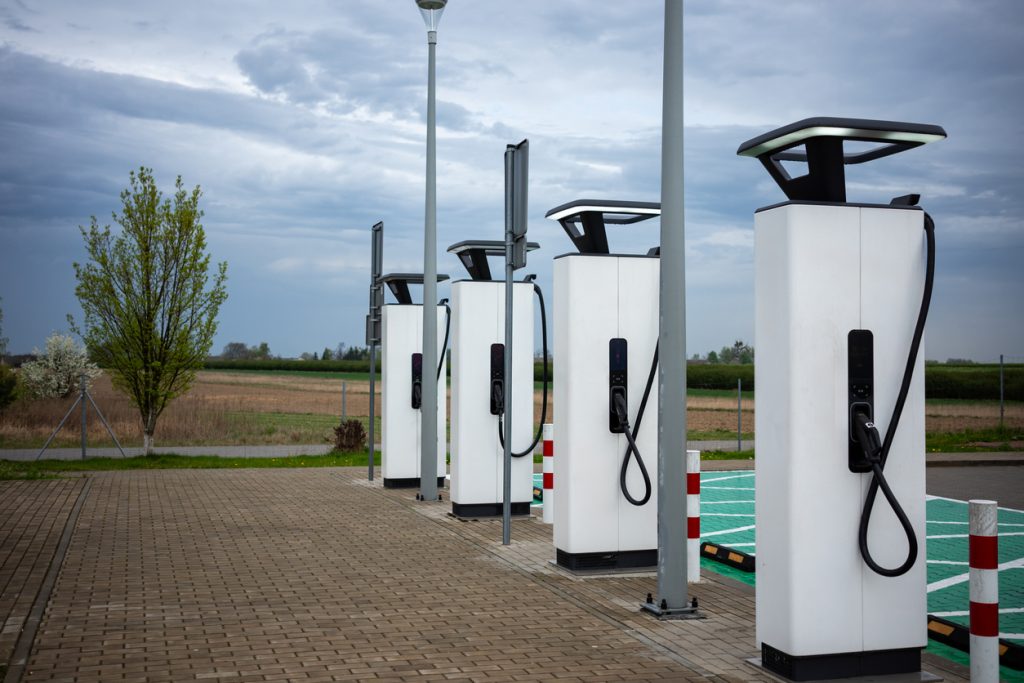
Finding the right EV charging solutions provider in Nigeria is becoming more important as electric cars, buses, motorcycles and commercial fleets gradually enter the transport market.
The challenge is not simply buying a charger. Nigerian businesses and vehicle owners have to think about available power, charging speed, installation location, vehicle compatibility and what happens when grid electricity is unreliable.
Nigeria is already expanding its electric mobility plans. In March 2026, the Federal Government broadened the Presidential CNG Initiative into the Pi-CNG & EV programme, with EV charging infrastructure now included in the country’s clean mobility strategy.
For companies considering electric vehicles, that makes charging infrastructure an operational issue that should be planned properly from the beginning.
Start With How the Vehicles Will Actually Be Used
The correct charging setup for one private EV may be completely unsuitable for a company operating 20 delivery vehicles.
Before choosing equipment, an experienced EV charging solutions provider should understand questions such as:
- How many vehicles need charging each day?
- How far does each vehicle normally travel?
- Will vehicles return to the same depot overnight?
- How many hours can each vehicle remain parked?
- Does the site have reliable grid electricity?
- Is solar or battery backup required?
- Will customers or only company vehicles use the chargers?
A Lagos courier company, for example, may have motorcycles and vans returning to its depot between evening and early morning. Overnight charging could therefore be more practical than investing entirely in expensive rapid chargers.
A hotel, shopping centre or interstate transport operator may have completely different requirements.
Choosing Between AC and DC Charging
Charging speed affects both infrastructure cost and vehicle availability.
AC chargers generally make sense where vehicles can remain parked for several hours, including homes, offices, hotels and fleet depots.
DC fast chargers are better suited to locations where drivers need to continue their journey quickly.
Nigeria already has examples of faster commercial charging infrastructure. A charging facility opened at Federal Palace Hotel in Victoria Island in 2026 with three dual-gun DC chargers capable of serving several vehicles simultaneously. Reported charging time from 20% to 80% can be around 30–45 minutes depending on the vehicle.
The important lesson is that the fastest charger is not automatically the best charger. Vehicle utilisation and available electrical capacity should determine the specification.
Power Reliability Has to Be Part of the Design
Installing chargers without examining the site’s electricity supply can create expensive problems later.
Nigeria’s charging network remains concentrated mainly around major urban areas such as Lagos and Abuja, while energy reliability continues to influence how charging sites are designed.
For some commercial locations, the practical arrangement may combine:
grid electricity + solar generation + battery storage.
This allows businesses to reduce dependence on a single energy source.
An EV charging solutions provider should therefore assess electrical load, distribution capacity and backup arrangements before equipment is purchased.
Where EV Charging Fits Into Nigerian Transport Operations
Charging infrastructure is becoming relevant beyond private electric cars.
Nigeria’s Energy Transition Plan already identifies electric buses, passenger vehicles, motorcycles and charging projects in locations including Lagos, Abuja and university campuses.
Businesses that may eventually require dedicated charging include delivery companies, hotels, corporate fleets, shopping centres, residential estates, ride-hailing operators and transport companies.
For a delivery operation, charger downtime can mean vehicles missing morning dispatch.
For a hotel, charging can become an additional convenience for guests.
For fleet operators, carefully scheduling vehicles around charging periods can reduce unnecessary downtime.
Plan the Vehicles and Charging Infrastructure Together
Companies moving toward electric mobility should avoid treating vehicle procurement and charging as completely separate projects.
A practical rollout normally considers vehicle range, daily routes, driver shifts, depot location, charging windows and power availability together.
This is where Travo.ng can support the broader mobility side of the operation through vehicle and transport coordination, business logistics support and movement planning.
For example, a company transitioning part of its Lagos delivery fleet to EVs may still need conventional vehicles for longer interstate movements while electric vehicles handle predictable urban routes.
That type of mixed-fleet planning can make the transition more manageable.
What to Check Before Choosing a Provider
Before committing to an installation, ask prospective providers about charger compatibility, installation requirements, warranties, maintenance response, monitoring systems and future expansion.
A site designed for four vehicles today may need to support fifteen later.
Good infrastructure should therefore solve today’s charging problem without making tomorrow’s expansion unnecessarily expensive.
As Nigeria develops more EV infrastructure, businesses that plan charging around their actual transport operations will be better positioned than those simply buying chargers because electric mobility is becoming popular. A capable EV charging solutions provider, combined with sensible fleet and logistics planning, can turn charging from a potential operational headache into dependable transport infrastructure.
