


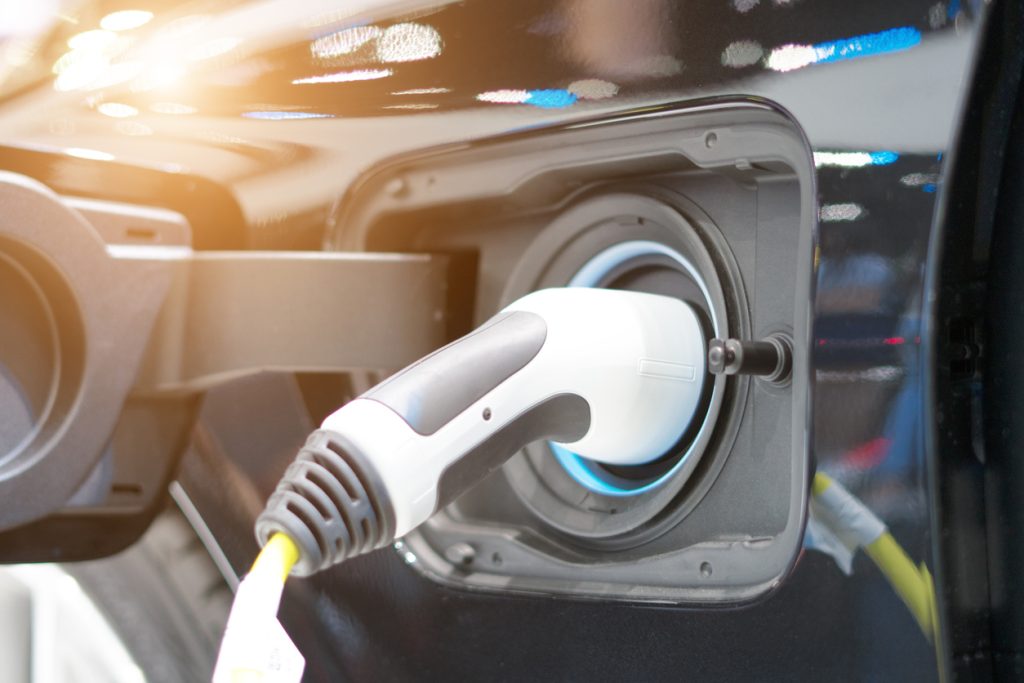
An EV charging solution for corporate offices is becoming a practical workplace requirement as more Nigerian businesses introduce electric vehicles into company fleets and employees begin driving EVs to work.
For offices in Lagos, Abuja, Port Harcourt and other major cities, installing a charger is not simply about finding space in the car park. The electrical capacity of the building, number of vehicles, charging speed, parking patterns and backup power arrangement all affect how well the system performs.
A properly planned workplace charging setup allows employees, executives, visitors and company vehicles to recharge while they are already parked at the office.
Start With the Number of Vehicles You Actually Need to Charge
One common mistake is installing charging equipment without estimating daily demand.
A company with two executive EVs has very different requirements from an organisation operating ten electric pool cars or a delivery fleet.
Before choosing equipment, consider:
- How many EVs currently use the premises
- Expected vehicle numbers over the next two or three years
- How long vehicles normally remain parked
- Whether chargers are for staff, visitors or fleet vehicles
- The battery capacity and charging capability of each vehicle
An office where cars remain parked from 8am until 5pm may not require expensive high-speed charging for every parking space. Several vehicles can often receive sufficient energy through appropriately sized AC chargers during the working day.
Faster charging becomes more useful where company vehicles repeatedly leave and return to the premises.
Your Office Power Supply Determines the Charging Setup
Power availability is especially important when planning workplace EV charging in Nigeria.
Installing several chargers without checking the building’s electrical load can create unnecessary pressure on transformers, distribution boards and backup systems.
A proper site assessment should examine existing demand from air conditioning, lifts, server rooms, lighting and other equipment before additional EV charging loads are introduced.
Businesses using generators, solar systems or battery storage also need to determine how EV charging will interact with those sources.
For example, allowing multiple vehicles to begin charging immediately after grid failure could significantly increase generator fuel consumption. Smart charging controls can instead prioritise vehicles and spread charging across available capacity.
Where Chargers Should Sit in a Corporate Car Park
Convenience matters, but charger placement should also reduce installation complexity.
Parking bays close to suitable electrical infrastructure may require less cabling than spaces located far from the main distribution point.
The selected area should also provide enough room for vehicles to connect without cables crossing busy pedestrian or traffic routes.
For outdoor corporate premises, businesses should consider weather-resistant equipment, physical protection around charging units and clearly marked EV parking spaces.
Access control can also prevent unauthorised vehicles from occupying charging bays.
Workplace Charging Does Not Have to Mean Everyone Charges at Once
A good EV charging solution for corporate offices manages demand instead of simply adding more chargers.
Companies can establish charging schedules where fleet vehicles receive priority during particular hours while employee vehicles charge during longer parking periods.
Smart systems may also help businesses monitor energy consumption by vehicle or charging point.
This becomes particularly useful when an organisation wants to understand the operating cost of its electric fleet instead of mixing vehicle charging expenses with general office electricity consumption.
Plan for Growth Before Installing the First Charger
Replacing or expanding electrical infrastructure every time another EV joins the company fleet can become expensive.
It is often more sensible to prepare cable routes, distribution capacity and parking layouts for future expansion even when only a few chargers are installed initially.
A Lagos company starting with three EVs, for example, might prepare infrastructure for eight charging bays while activating only the chargers currently required.
That approach makes expansion easier when more electric vehicles are added.
Arrange Corporate EV Charging Support Through Travo.ng
Travo.ng can help businesses coordinate practical EV charging solutions for corporate offices, including site planning, charging requirements, installation coordination and supporting power considerations.
For companies introducing electric vehicles into operational fleets, charging can also be considered alongside vehicle movement, business logistics and transport planning.
The objective is not simply to install a charger. It is to create a workplace charging system that matches how the organisation actually uses its vehicles, available electricity and parking space.
Businesses preparing for electric mobility can contact Travo.ng to assess their office requirements and arrange a charging setup designed around present needs while leaving room for future fleet growth.
