


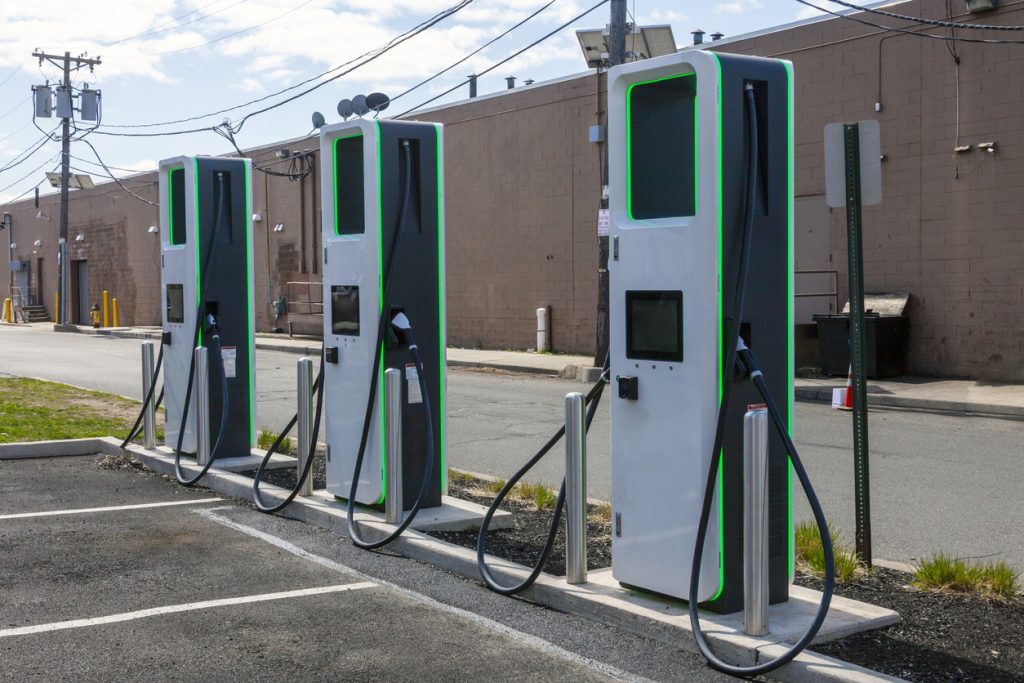
Electric vehicles are becoming more visible on Nigerian roads, but owning an EV creates one practical question: where will you charge it conveniently? Depending entirely on public charging stations may not suit someone who needs their vehicle ready every morning or a business operating several electric vehicles.
A properly planned EV charging point installation gives homeowners, offices, hotels, estates and fleet operators a dedicated place to charge vehicles. However, installing a charger involves more than mounting equipment on a wall and connecting a cable. The property’s electrical capacity, charger specification, parking arrangement and available power supply all need consideration.
Travo.ng helps customers coordinate EV charging and other practical mobility and energy-support requirements in Nigeria.
Start With the Power Available at Your Property
Before buying a charger, check whether the building’s electrical system can support it.
This is particularly important in Lagos, Abuja and other cities where properties may depend on different combinations of grid electricity, generators, inverters and solar systems.
An installer should assess factors such as:
- Available electrical load
- Single-phase or three-phase supply
- Distribution board capacity
- Cable distance from the power source to the parking area
- Earthing and electrical protection
- Existing solar or battery infrastructure
Skipping this assessment can lead to unnecessary installation expenses or a charging system that does not perform as expected.
Choosing an EV Charger That Fits Your Daily Driving
The biggest charger is not automatically the best option.
Someone driving an EV between Lekki and Victoria Island every day may have different charging requirements from a corporate fleet covering longer routes around Lagos.
For many private users, overnight home charging is practical. The vehicle can be connected after returning home and charged while parked. Businesses may require faster charging because vehicles need to return to service sooner.
Before installation, consider how many kilometres the vehicle typically covers daily and how long it normally remains parked.
What EV Charging Point Installation Actually Involves
Once the site has been assessed and suitable equipment selected, installation usually involves preparing a dedicated electrical connection, installing protective devices, running appropriately sized cabling and positioning the charger where the vehicle can reach it safely.
Parking layout matters more than people sometimes expect.
For example, installing a charger at the wrong end of a residential parking space could mean stretching the charging cable across a walkway. In an office or commercial property, the installation should also consider how multiple vehicles enter, park and leave.
The system should be tested before regular charging begins.
Planning EV Charging for Estates and Businesses
Commercial installations require more planning than a single residential charger.
An estate in Lekki, for example, may want several charging spaces without allowing simultaneous vehicle charging to overload the property’s electrical infrastructure. Hotels may want charging facilities for guests, while companies transitioning to electric fleets need charging schedules that match vehicle operations.
Businesses should consider:
- How many EVs will use the facility now.
- How quickly the fleet may expand.
- Whether vehicles charge simultaneously.
- How electricity consumption will be monitored.
- Whether solar and battery storage could support charging.
Planning for expansion early can reduce the need to repeatedly modify electrical infrastructure.
Generator, Solar and Grid Power Need Careful Coordination
Nigeria’s electricity situation makes EV charging different from markets with consistently available grid power.
Running a high-capacity charger from an undersized generator or inverter can create problems. Where solar is available, charging schedules can sometimes be coordinated with daytime generation, while battery storage may provide additional flexibility.
The correct arrangement depends on the property and the vehicle rather than a one-size-fits-all configuration.
Arrange EV Charging Point Installation With Travo.ng
For EV owners, property managers and businesses, getting the charging arrangement right from the beginning makes everyday vehicle use much easier.
Travo.ng can help coordinate EV charging point installation alongside relevant mobility and energy solutions. Whether you need a home charging setup, workplace charger or infrastructure for a growing electric fleet, the process can be planned around your property, vehicle usage and available electricity supply.
As electric mobility expands across Nigeria, convenient charging at the places where vehicles already spend hours parked will become increasingly important. A well-planned installation gives you greater control over when and where your vehicle is ready for the next journey.
