


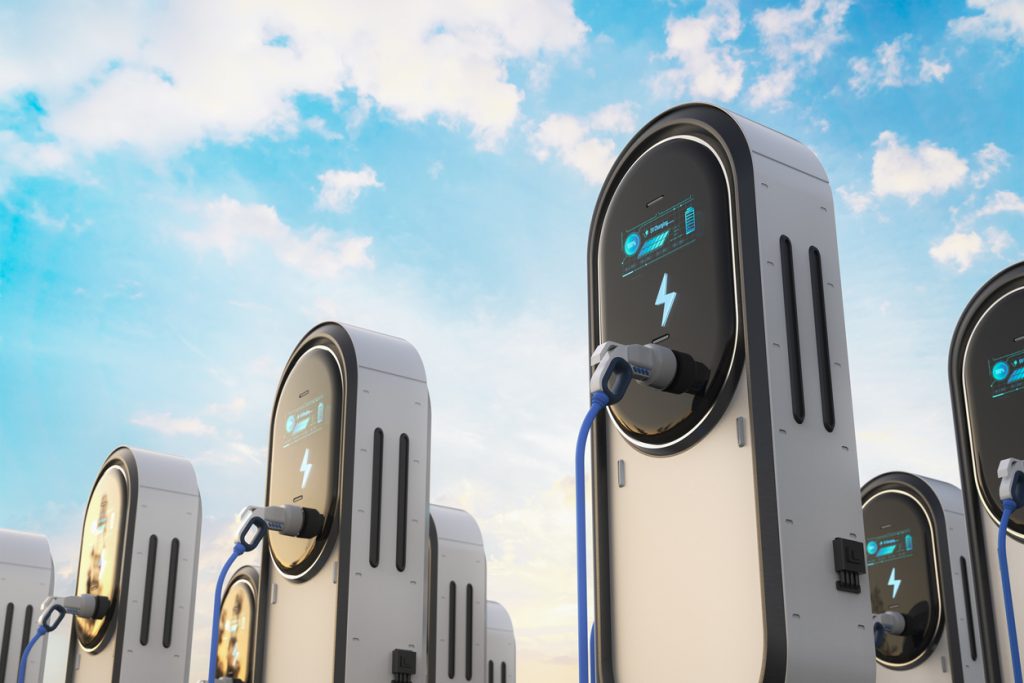
Electric vehicles are gradually becoming more visible on Nigerian roads, but owning an EV creates a practical question: where will you charge it regularly? For people living in gated estates, apartment developments and managed residential communities, relying on scattered public charging points is rarely convenient.
Proper EV charging for estates gives residents access to charging where their vehicles already spend several hours parked. Instead of individual homeowners improvising connections from their houses to parking areas, an estate can create organised charging points designed around its electricity supply, parking layout and expected demand.
The important part is getting the infrastructure right from the beginning.
Start With the Estate’s Actual Power Situation
Installing chargers is not simply a matter of finding an empty wall beside the car park.
A site assessment should establish how much electricity the estate already consumes and how much spare capacity is available. In Lagos, for example, many residential developments combine grid electricity with generators, solar systems, inverters or other backup arrangements.
Adding several EVs without considering existing loads can create unnecessary pressure on the system.
Before installation, check:
- Available electrical capacity
- Number and location of parking spaces
- Distance between the distribution point and chargers
- Cable routing and protection
- Generator and solar capacity where applicable
- Number of EV owners currently living in the estate
- Likely charging demand over the next few years
Planning for future expansion is usually cheaper than repeatedly modifying electrical infrastructure whenever another resident buys an EV.
How Many Chargers Does an Estate Really Need?
A 40-unit estate does not necessarily need 40 chargers immediately.
If only four residents currently drive electric cars, management could begin with a smaller shared charging area while installing electrical infrastructure that can accommodate additional units later.
Usage patterns also matter. Residential vehicles are often parked overnight, so they do not always require the fastest available charger. A properly sized AC charging system may allow residents to recharge over several hours without creating the high electrical demand associated with rapid charging.
For larger estates in Lekki, Ikoyi, Victoria Island, Ikeja or Abuja, dedicated charging bays can also prevent disputes over parking and charger access.
Shared Charging Needs a Clear Payment System
Electricity billing can quickly become a problem when several households use the same infrastructure.
Estate managers need to decide whether electricity consumption will be individually metered, billed through a charging management platform or incorporated into service charges under an agreed usage policy.
A workable arrangement should answer simple questions: Who can use each charger? How is consumption measured? What happens when a vehicle finishes charging but remains in the bay? Who handles maintenance when equipment develops a fault?
Sorting these issues out before commissioning prevents charging facilities from becoming another source of disagreement between residents and management.
EV Charging for Estates Can Work With Solar Power
Nigeria’s electricity situation makes alternative power especially relevant.
An estate already operating a sizeable solar and battery system may be able to integrate vehicle charging, although the existing system must first be assessed. EV charging represents a significant additional electrical load, so simply connecting chargers to an existing solar inverter is not always appropriate.
Where capacity is insufficient, the project may require additional panels, battery storage, inverter capacity or intelligent load management.
This approach can be particularly useful for developments trying to reduce generator dependence while preparing for increased electric vehicle ownership.
What Estate Managers Should Request Before Installation
Before approving an installer, ask for a proper site survey and a clear proposal showing charger specifications, electrical requirements, installation locations, protection equipment and expansion options.
Also confirm warranty arrangements and after-installation support. Chargers are long-term infrastructure, not equipment an estate wants installed and forgotten.
Travo.ng can support EV charging for estates by helping coordinate practical energy and infrastructure requirements for residential developments. This can include assessing suitable charging arrangements and connecting estate managers with solutions that fit their property and expected usage.
The best time to prepare is before EV ownership becomes common across the estate. With sensible capacity planning, dedicated parking arrangements and properly designed electrical infrastructure, residential communities can introduce charging gradually without rebuilding the entire system each time demand increases.
