


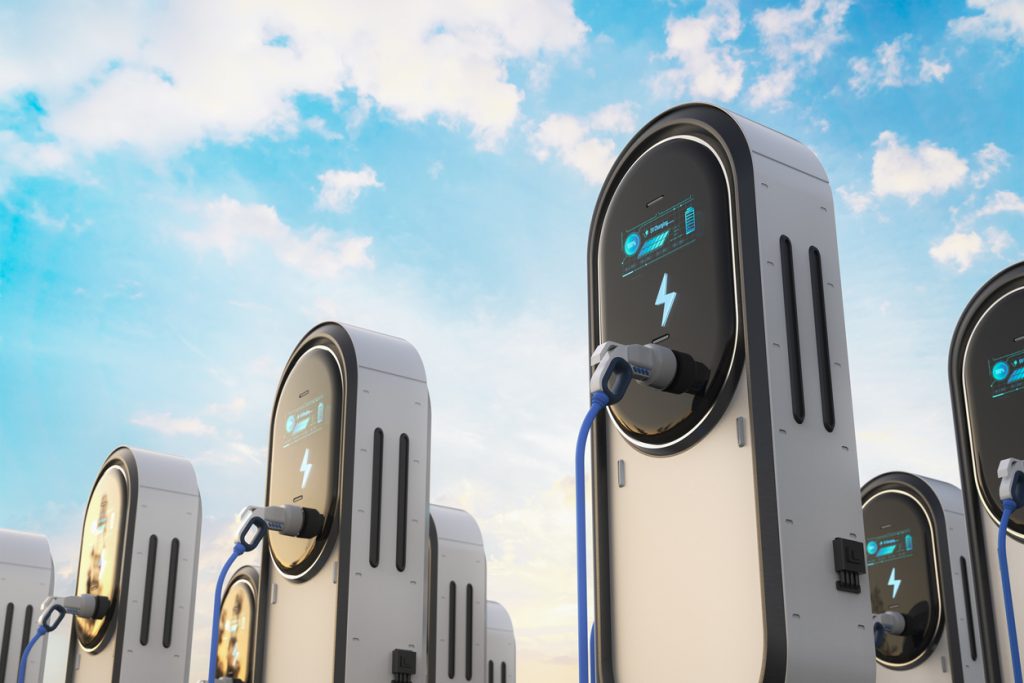
Electric vehicles are gradually becoming more visible on Nigerian roads, but owning one creates a practical problem for people living in shared residential buildings: where do you charge it?
For residents of estates, blocks of flats and high-rise apartments, running a cable from an upstairs flat to the car park is neither practical nor safe. Proper EV charging for apartment complexes requires dedicated parking points, suitable electrical capacity, metering, access control and a clear system for sharing costs.
The need is becoming more relevant as Nigeria’s EV market grows. Recent industry research estimates that the country had about 20,000 electric vehicles by the end of 2025, with adoption especially visible among commercial fleets and other high-use vehicles.
For landlords and estate managers, preparing early can prevent expensive alterations later.
Start With the Apartment’s Available Power Capacity
Installing an EV charger is not simply a matter of mounting equipment beside a parking space.
A property in Lekki, Victoria Island, Ikeja or Abuja may already be running lifts, water pumps, security systems, air conditioners and other communal loads. Adding several vehicles charging simultaneously can significantly increase demand.
Before installation, the electrical supply should be assessed to determine:
- available load capacity;
- number of vehicles expected to charge;
- suitable charger sizes;
- existing generator or solar capacity;
- cable routes from the distribution board to parking spaces;
- whether charging should be scheduled rather than simultaneous.
This assessment is especially important in estates where electricity supply is already stretched.
Shared Charging Needs Proper Metering
One of the first disagreements apartment managers encounter is simple: who pays for the electricity?
Connecting chargers directly to general estate electricity can make residents without EVs subsidise people who own them.
A better arrangement is to meter charging separately.
Nigeria already operates service-based electricity tariffs, with customer classifications depending partly on hours of electricity supplied. Electricity costs can therefore vary between locations and service categories.
Apartment charging systems can be designed so individual users are billed for the electricity they consume rather than dividing the cost among every resident.
For larger estates, smart charging management can also identify users, record consumption and restrict access to authorised vehicles.
Where Chargers Should Actually Be Installed
Parking layout matters more than many property owners initially expect.
A charger should ideally serve a permanent or clearly designated parking space without creating cables across walkways or driveways.
In an apartment complex with 40 parking spaces, for example, installing chargers randomly wherever electricity is easiest to reach can become expensive when EV ownership increases.
Planning cable routes and electrical infrastructure for future charging bays from the beginning is usually more practical.
Even if only two residents currently drive EVs, the estate can prepare conduits and distribution capacity for additional chargers later.
Grid Power Alone May Not Always Be Enough
Nigeria’s electricity situation makes backup planning especially important.
Charging infrastructure operators are already exploring combinations of grid electricity, solar generation and battery storage to improve charging reliability where grid supply is inconsistent.
The same thinking can apply to residential developments.
An apartment complex with existing solar and battery infrastructure may be able to incorporate vehicle charging into its energy system, provided the installation is properly sized. Generator-backed charging is also possible, but fuel consumption and operating costs must be considered before making it the main solution.
Decide How Residents Will Use the Chargers
Before approving installation, estate management should establish simple operating rules.
Questions to settle include whether charging spaces are permanently assigned, how long vehicles can remain connected, how electricity is billed and whether visitors can use the facility.
These details become particularly important when several residents depend on only one or two chargers.
A booking or scheduled charging arrangement can prevent situations where one vehicle occupies a charging bay overnight even after its battery is full.
Planning EV Charging With Travo.ng
Setting up EV charging for apartment complexes requires more than buying charging equipment. Property owners need to think about power supply, parking access, electrical distribution, metering, future demand and ongoing management.
Travo.ng can support property owners, estate managers and businesses with practical coordination around mobility and energy-related logistics, including moving installation equipment, arranging transport support and coordinating project requirements.
For new estates, incorporating EV-ready parking during construction is often easier than modifying finished buildings. Existing apartment complexes can still make the transition by starting with a realistic electrical assessment and expanding charging capacity as resident demand grows.
As electric mobility develops across Lagos, Abuja and other Nigerian cities, apartment buildings that prepare their parking and power systems early will be much better positioned to accommodate residents who switch to electric vehicles.
