


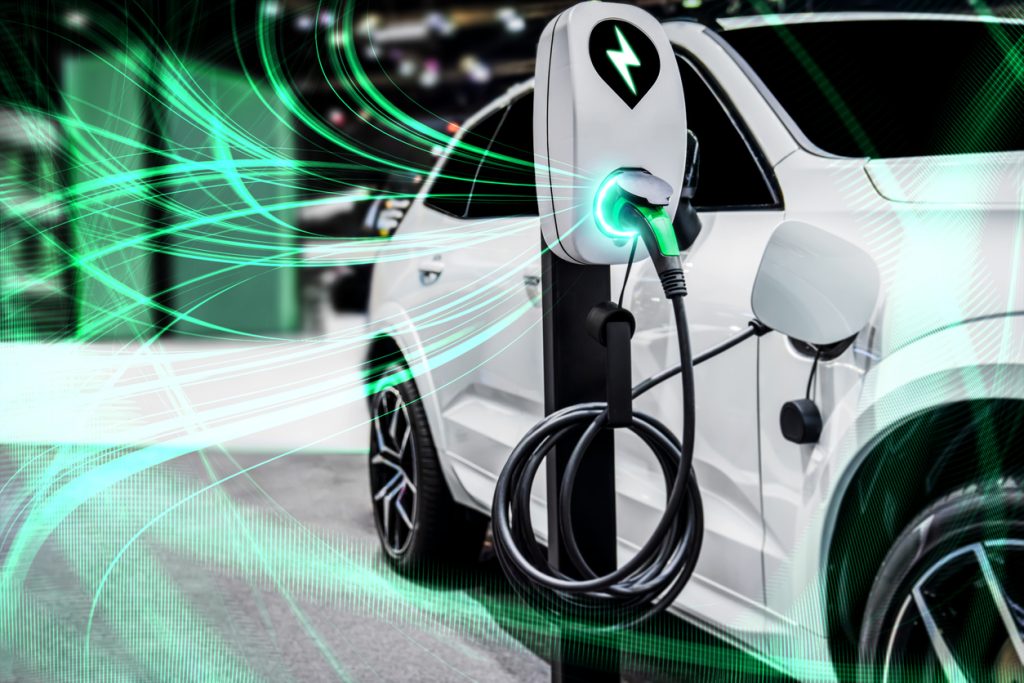
An EV charger with app control gives electric vehicle owners more control over when, how, and sometimes how much their vehicle charges. Instead of simply plugging a car into a power source and hoping charging continues properly, a connected charger can allow you to monitor charging sessions, schedule charging times, and check the charger remotely from your phone.
That level of control is particularly useful in Nigeria, where electricity availability can vary from one location to another. A homeowner in Lekki may have grid electricity, solar power, an inverter and a generator serving the same property. A business operating EVs in Lagos or Abuja may also need to decide which vehicles should charge first and when charging should take place.
A smart charger makes those decisions easier to manage.
What You Can Actually Do From the Charging App
The exact functions depend on the charger, but a typical smart EV charging setup may allow the user to:
- Start or stop charging remotely
- Check whether a vehicle is currently charging
- Schedule charging for specific hours
- View previous charging sessions
- Monitor electricity consumption
- Receive notifications when charging finishes or stops unexpectedly
- Restrict unauthorized use of the charger
This can be useful when a vehicle is parked downstairs, in an office compound or at another managed location.
For example, if you arrive home in Lagos at 7 p.m. but want to charge later when other heavy appliances are not running, you may be able to plug the vehicle in immediately and schedule charging to begin at a more suitable time.
Choosing an EV Charger With App Control for Nigerian Power Conditions
Buying a smart charger should involve more than comparing app features.
The electrical infrastructure at the property matters just as much. Before installation, the available supply, wiring, earthing, circuit protection and maximum electrical load should be assessed.
A charger drawing significant power can compete with air conditioners, water heaters, pumps and other equipment in a home or commercial building. Installing a higher-capacity charger without checking the property’s electrical capacity can lead to regular breaker trips or unsafe operation.
Properties running partly on solar or inverter systems require even more careful planning. The charger should be matched with the power system rather than simply connected because electricity is available.
Charging Speed Depends on More Than the Charger
Drivers sometimes assume that buying the highest-rated charger automatically means faster charging.
In practice, charging speed can depend on the vehicle’s onboard charging capability, the charger’s output and the electricity available at the building.
A car that accepts a lower AC charging rate will not necessarily charge faster simply because it is connected to a much more powerful unit.
This is why the vehicle specification should be checked before choosing equipment.
App Control Is Useful for Business EV Fleets Too
The technology becomes even more practical when several electric vehicles operate from the same location.
A delivery business, corporate transport operator or mobility company may have vehicles returning at different times. Allowing every vehicle to charge immediately can put unnecessary pressure on the property’s electrical system.
Smart charging can make it easier to schedule vehicles based on departure times.
A delivery van needed at 6 a.m., for example, could receive priority over another vehicle that will not leave until midday.
Charging records may also help businesses understand energy consumption and estimate the operating cost of individual vehicles.
Plan the Charger, Installation and Vehicle Movement Together
Getting an EV charger with app control is only one part of building a dependable EV setup.
The installation location should have convenient parking access, suitable electrical capacity, protection from unnecessary exposure and reliable connectivity if the charger’s smart functions depend on Wi-Fi or mobile data.
For businesses introducing electric vehicles, the wider transport operation also deserves attention. Vehicle scheduling, charging windows, backup transport and route planning all affect whether EV adoption works smoothly in day-to-day operations.
Travo.ng can support businesses and vehicle owners with transport coordination, vehicle-related logistics and mobility planning where these services fit the project. Instead of treating charging infrastructure separately from vehicle operations, it often makes more sense to plan both together.
A properly selected smart charger should make EV ownership simpler, not more complicated. Check the vehicle’s charging requirements, confirm the property’s electrical capacity and choose app features you will genuinely use. That combination gives you a charging setup that is easier to monitor and better suited to everyday driving in Nigeria.
