


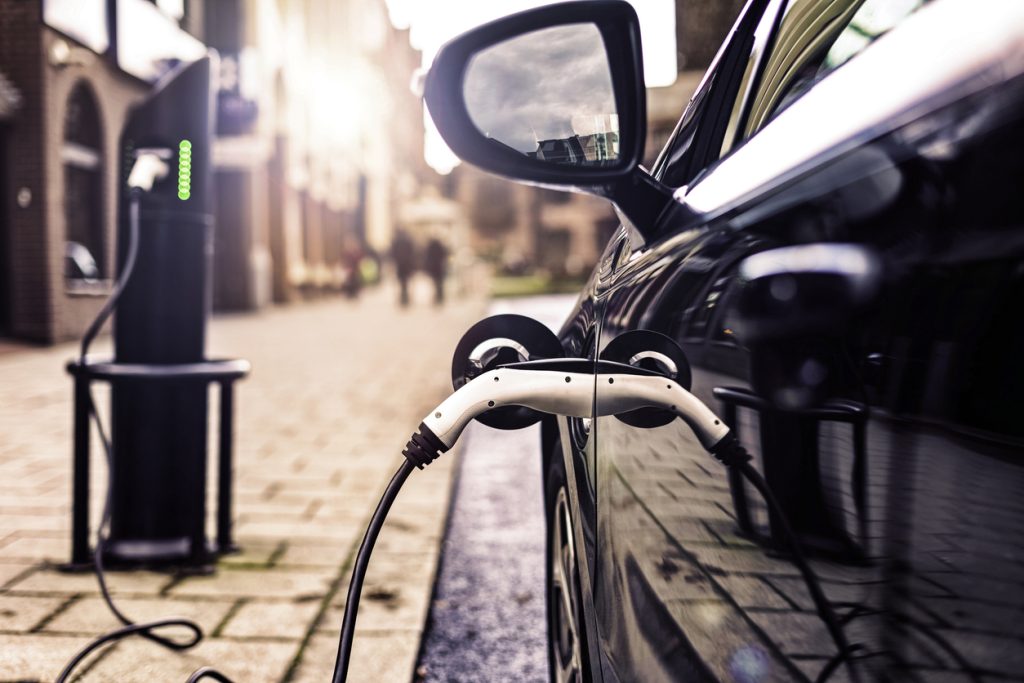
Installing an electric vehicle charger is not simply a matter of fixing a charging unit to the wall and connecting it to the nearest socket. Proper EV charger wiring installation starts with checking whether the building’s electrical system can safely carry the additional load.
This is particularly important in Nigeria, where homes, estates and commercial properties may combine grid electricity with generators, inverters, solar systems or battery storage.
A good installation should therefore consider the charger capacity, available electrical supply, cable distance, protection devices and where the vehicle will normally be parked.
Check Your Electrical Capacity Before Buying a Charger
One common mistake is buying an EV charger before checking the property’s electrical setup.
A smaller home charger places very different demands on a building compared with a higher-capacity charger intended for an office, hotel, apartment complex or commercial fleet.
An installer should check the distribution board, existing electrical loads and available power before recommending the wiring arrangement.
For example, a Lagos household already running several air conditioners, water heaters and other heavy appliances may require electrical upgrades before another substantial load is added.
Commercial properties may need an even more detailed assessment, especially when several vehicles could be charging simultaneously.
Dedicated Wiring Is Safer Than Using an Ordinary Socket
Regular household sockets are designed for common appliances. EV charging can involve sustained electrical demand for several hours.
A professionally installed charger normally requires a dedicated circuit designed around the charger’s specifications.
The setup may include:
- Correctly sized electrical cables
- Dedicated circuit protection
- Proper earthing
- Suitable isolation equipment
- Safe cable routing
- Protection against electrical faults
- Weather-resistant installation for outdoor chargers
Cable size should never be guessed. The correct specification depends on charger capacity, installation distance, wiring method and electrical conditions at the property.
Nigeria’s electrical installations also fall under technical safety oversight. NEMSA states that it is responsible for enforcing technical standards and inspecting, testing and certifying electrical installations, while the Standards Organisation of Nigeria has also been working on standardisation for EV charging infrastructure.
Where You Install the Charger Affects the Wiring Cost
The physical location of the charging point can significantly affect installation work.
Consider a detached house in Lekki where the distribution board is inside the main building but the vehicle is parked beside a gate 25 metres away. The installer may need additional cable, conduit, trenching or weatherproof protection.
A charger mounted close to the electrical panel will usually require less material and labour.
For outdoor installations, the route should also protect cables from rain, vehicle movement and accidental damage.
Apartment buildings and estates present another challenge because parking spaces may be far from individual meters. Property managers may therefore need coordinated electrical infrastructure rather than separate improvised connections for every resident.
Generator, Solar and Inverter Systems Need Extra Planning
Many Nigerian properties do not rely on one electricity source.
A building could switch between DISCO supply, a diesel generator and solar battery storage during the same day. That makes EV charger wiring installation more complicated than it would be in a property with one stable power source.
The installer needs to understand which source will supply the charger and whether that system can handle the load.
Connecting a powerful charger to an undersized inverter, for example, could overload the system or drain batteries much faster than expected.
Businesses planning electric delivery vehicles or company fleets should assess charging demand together with their wider energy requirements.
Plan for Future Charging Demand
If you currently own one electric vehicle but expect another within a few years, mention this before installation.
It may be more practical to prepare sufficient cable routes, distribution capacity and parking arrangements now instead of reopening walls or digging another trench later.
Hotels, offices, shopping facilities, residential estates and logistics businesses should especially consider how many vehicles might eventually need charging at the same time.
Arrange EV Charger Installation Support With Travo.ng
Travo.ng helps customers coordinate practical mobility and infrastructure requirements, including EV charger wiring installation arrangements for homes and businesses.
Before work starts, the installation requirements can be assessed around your charger type, electrical supply, parking position and expected vehicle usage.
That approach reduces the risk of buying equipment that does not suit the property or installing a charger without considering the building’s actual electrical capacity.
Whether you are preparing a Lagos residence, an Abuja office or a business facility for electric vehicles, proper wiring should come before regular charging. A well-planned installation gives you a safer, more convenient charging setup that is built around how the property and vehicle will actually be used.
