


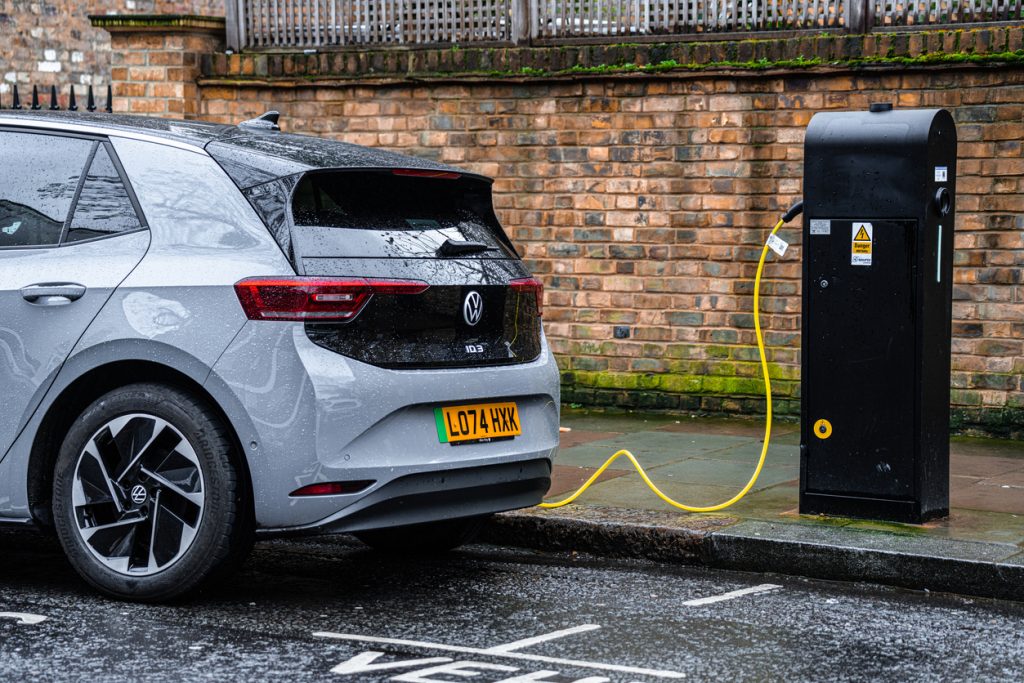
EV charger installation is becoming a practical consideration for Nigerian households, offices, hotels, estates, fleet operators, and businesses adding electric vehicles to their transport plans. Buying the vehicle is only one part of the decision. You also need a reliable place to charge it without putting unnecessary pressure on the building’s electrical system.
In Lagos or Abuja, for example, an EV owner with dedicated parking may be able to charge conveniently at home or work. A business operating several vehicles has a different challenge. It must consider how many cars will charge simultaneously, how long each vehicle remains parked, and whether the available electricity supply can carry the additional load.
Check Your Power Supply Before Installing a Charger
A charger should not simply be connected to the nearest available electrical point.
The first practical step is assessing the property’s existing electrical capacity. An electrician or qualified installation team should check the distribution board, cabling, earthing, protection devices and available load.
This becomes particularly important in properties running a combination of grid electricity, generators, solar systems and battery storage.
For example, installing a relatively powerful charger in an office where air conditioners, lifts, pumps and other equipment already consume significant electricity may require electrical upgrades or better load management.
Choosing Between Slow and Faster Charging
The fastest charger is not automatically the best option.
A homeowner whose vehicle stays parked from 7pm until morning may not require the same charging capacity as a commercial fleet that needs vehicles back on the road quickly.
Before choosing equipment, consider:
- the EV model and charging compatibility;
- daily kilometres driven;
- typical parking duration;
- available electrical capacity;
- number of vehicles using the charger;
- whether additional EVs may be purchased later.
For businesses, planning for future vehicles can prevent the expense of repeatedly modifying electrical infrastructure.
Where the Charger Is Installed Makes a Difference
Parking layout is another issue people sometimes overlook.
A charger positioned too far from the normal parking bay can lead to inconvenient cable arrangements. Outdoor installations also need equipment and electrical protection suitable for exposure to rain, heat and dust.
In apartment developments and estates around Lekki, Ikeja, Victoria Island, Maitama or Gwarinpa, management approval may also be necessary before running new electrical cables through shared areas.
Commercial properties should think about vehicle movement as well. Charging points should not create unnecessary obstruction around loading areas, entrances or frequently used parking spaces.
Planning EV Charging Around Nigeria’s Power Conditions
Reliable charging depends on more than the charger itself.
Where grid supply is inconsistent, businesses may need to coordinate charging periods with available electricity, solar production or battery capacity. This is particularly important for fleet operations where several vehicles could begin charging at once.
Nigeria’s Rural Electrification Agency technical standards also recognise load management as an important part of integrating EV charging with mini-grid systems, including preventing charging demand from overloading available power.
Good planning therefore looks at the complete energy arrangement rather than treating the charger as an isolated appliance.
EV Charger Installation for Business Transport Operations
Companies considering electric delivery vans, staff vehicles or other fleet EVs should plan charging around actual operating schedules.
A delivery vehicle returning to base at 6pm and leaving at 7am has a long charging window. Vehicles operating several shifts may require a different setup.
Travo.ng can support businesses coordinating EV-related transport requirements alongside vehicle movement, fleet logistics and other business transport arrangements. This makes it easier to consider charging infrastructure as part of the wider mobility operation rather than as a separate decision.
Plan Your Installation Before Your EV Arrives
Ideally, arrange the site assessment before taking delivery of the vehicle.
Confirm the charger specification, connector compatibility, installation location, electrical capacity and expected charging routine early. For businesses, estimate how many additional electric vehicles could join the fleet over the next few years.
A properly planned EV charger installation gives Nigerian homes and businesses a more convenient way to operate electric vehicles without constantly depending on public charging availability.
Travo.ng can help coordinate practical EV mobility and transport requirements for individuals and businesses preparing for electric vehicle operations in Nigeria.
