


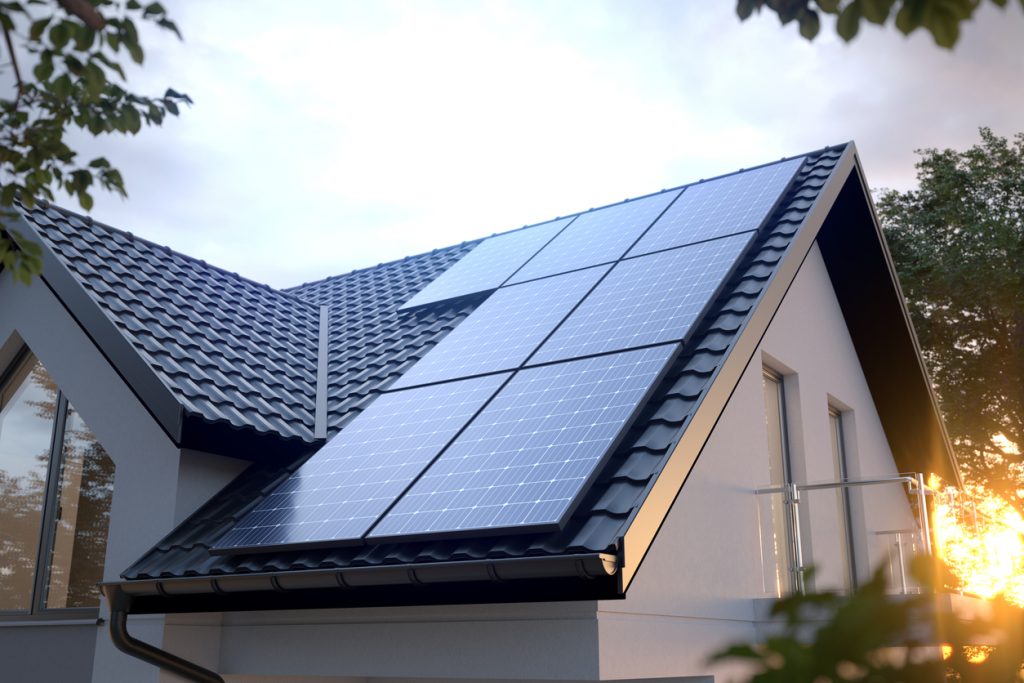
Embedded solar generation in Nigeria is becoming a practical option for businesses, estates, institutions and commercial facilities that want electricity generated closer to where it is consumed. Instead of depending entirely on power supplied through the national transmission system, electricity can be produced locally and connected to a distribution network serving a defined area.
In regulatory terms, embedded generation refers to generation connected directly to a distribution network rather than the national transmission network. NERC currently lists embedded generation as one of its generation-licence categories, alongside on-grid and off-grid generation.
For solar projects, this model can be especially useful in locations where daytime electricity demand is high and reducing dependence on diesel generators is a priority.
Where Embedded Solar Generation Makes Practical Sense
A large commercial property in Lekki, an industrial facility in Ogun State or a university campus may consume substantial electricity throughout the day. Installing solar generation close to those loads can reduce the amount of electricity that needs to travel long distances before reaching users.
Projects can combine photovoltaic panels with inverters, transformers, switchgear and battery storage where required.
However, embedded solar is different from simply placing a few solar panels on an office roof. Once electricity is being connected to a distribution network and supplied under an embedded-generation arrangement, technical approvals, agreements and regulatory requirements become important.
NERC states that embedded-generation applicants must provide draft documents including a power purchase agreement, connection agreement and use-of-distribution-system agreement as part of the licensing process.
Planning the Solar System Around Actual Electricity Demand
One common mistake is selecting solar capacity based mainly on available roof or land space.
A better starting point is the facility’s load profile.
Consider a Lagos manufacturing business that operates heavy machinery mainly between 8am and 6pm. Its solar system can be designed around those daytime loads, while batteries, grid electricity or another backup source covers periods when solar production falls.
Developers normally need to examine factors such as:
- peak electricity demand;
- daytime versus nighttime consumption;
- available installation space;
- distribution-network connection requirements;
- battery-storage needs;
- future expansion plans.
Technical studies become especially important when larger quantities of electricity will be injected into an existing distribution network.
Moving Solar Equipment to Nigerian Project Sites
The electrical design is only one part of an embedded solar project. Getting the equipment safely to site can become a significant logistics operation.
A commercial installation may require hundreds or thousands of panels alongside mounting structures, batteries, transformers, cables and inverter systems.
Equipment arriving through Lagos ports may need customs coordination, temporary storage and truck movement to locations such as Ibadan, Abeokuta, Abuja or Port Harcourt.
Solar panels require careful handling because poor loading can create cracks that are not immediately visible. Batteries and heavy electrical equipment also need suitable vehicles rather than ordinary parcel-delivery arrangements.
This is where Travo.ng can support projects with cargo logistics, transport coordination, vehicle arrangements and delivery planning.
What Businesses Should Check Before Starting
Before committing money to embedded solar generation in Nigeria, project owners should establish who has regulatory jurisdiction and what approvals apply to the proposed system.
Nigeria’s electricity regulatory environment has evolved considerably, and NERC advises applicants to determine whether NERC or a state electricity regulator has jurisdiction before beginning the licensing process.
Businesses should also confirm connection capacity with the relevant distribution network operator. NERC’s embedded-generation regulations provide for access to a distribution system subject to available capacity and agreed connection conditions.
That makes early technical discussions important. Ordering equipment before completing proper load, connection and regulatory assessments can leave a company with expensive components that do not match the approved project design.
Coordinating an Embedded Solar Project Without Logistics Delays
Large solar installations usually involve several suppliers operating on different schedules. Panels may come from one warehouse, batteries from another supplier and transformers from a separate manufacturer.
Poor coordination can leave installers waiting on-site while essential equipment is still in transit.
Travo.ng can help businesses organise equipment pickup, cargo movement, dedicated vehicle hire, interstate transportation and delivery scheduling around installation milestones.
For companies investing in embedded solar generation in Nigeria, combining sound electrical planning with disciplined logistics helps prevent avoidable delays. The strongest projects are not simply those with enough solar panels; they are projects where approvals, equipment, transportation, installation teams and commissioning activities arrive together in the right sequence.
