


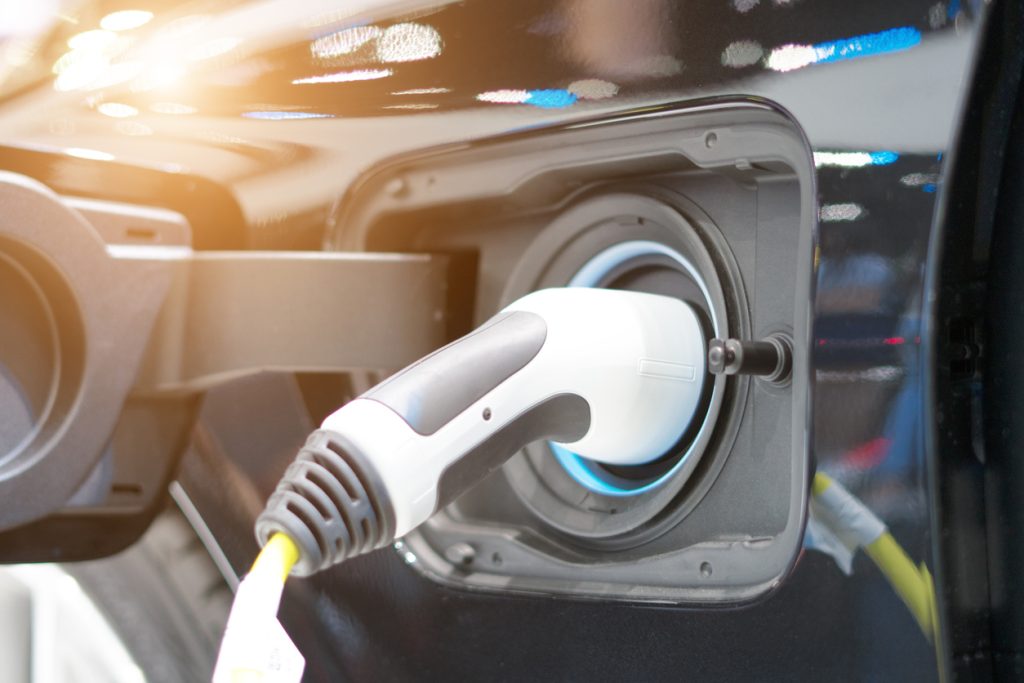
As electric vehicles become more visible on Nigerian roads, businesses, estates, fleet operators and commercial property owners are beginning to consider faster and more reliable charging infrastructure. For locations where vehicles cannot remain connected for several hours, DC fast charger installation offers a practical alternative to slower AC charging.
Installing a fast charger, however, involves much more than buying a charging unit and connecting it to a building. The available power supply, electrical protection, parking arrangement, cable routing and movement of heavy equipment to the site all need to be considered.
Travo.ng can support businesses and property owners with the logistics, transport coordination and installation arrangements needed to move EV charging equipment from supplier to operational site.
What a DC Fast Charger Actually Requires on Site
DC chargers deliver significantly more power than ordinary home or office EV chargers. This means the electrical capacity of the proposed location should be assessed before equipment is ordered.
A typical assessment should consider:
- Available transformer and distribution capacity
- Three-phase electricity availability
- Required charger output
- Number of vehicles expected daily
- Parking and vehicle access
- Cable distance from the power source
- Earthing and electrical protection
- Space for supporting electrical equipment
For example, a commercial property in Lekki planning a high-powered charging station may discover that its existing electrical infrastructure cannot comfortably support the proposed charger alongside lifts, air conditioning and other building loads.
Finding this out before purchasing equipment can prevent expensive modifications later.
Choosing the Right Charger for How Vehicles Will Use the Location
Not every business needs the highest-capacity charger available.
A fleet company whose vehicles return to its Lagos depot overnight may have very different requirements from a public charging station serving drivers moving between Lagos and Ibadan.
For fleet depots, vehicle dealerships and corporate facilities, charging demand should be calculated around expected vehicle turnover. Public charging sites may require faster equipment because drivers expect to charge and continue their journeys within a reasonable period.
Connector compatibility also matters. The charger selected should support the EV models expected to use the facility rather than simply being chosen because it offers a high kilowatt rating.
Moving Heavy EV Charging Equipment to the Installation Site
Equipment logistics is an often-overlooked part of DC fast charger installation.
Commercial charging units, electrical cabinets and supporting components can be heavy and sensitive. Transport arrangements should therefore consider safe loading, suitable vehicles and offloading access at the destination.
This becomes especially important when equipment is moving from Lagos ports, supplier warehouses or distributors to sites in Abuja, Port Harcourt, Ibadan or other Nigerian cities.
Travo.ng can coordinate cargo transportation, vehicle arrangements and delivery schedules so that charging equipment arrives when installers and electrical contractors are ready to receive it.
Poor coordination can leave technicians waiting for equipment or expensive machinery sitting unsecured on site.
Power Reliability Has to Be Considered in Nigeria
A charger may be correctly installed but still perform poorly if the site’s electricity supply is unstable.
Businesses should therefore assess how the charging station will operate during grid interruptions. Depending on the project, the solution may involve dedicated transformers, solar generation, battery storage or another properly engineered backup system.
The important point is to calculate the total electrical load properly. Connecting a powerful EV charger to an already overloaded facility can create operational problems rather than solve them.
Plan the Installation Around Vehicle Movement
Charger positioning should make everyday use easy.
Drivers should be able to enter the charging bay, connect their vehicles and leave without blocking normal traffic. Commercial sites should also consider delivery trucks, staff vehicles, security gates and customer parking.
At busy Lagos locations, poor charger positioning can quickly create congestion around entrances.
Cable reach, weather protection, drainage, lighting and physical protection from accidental vehicle impact should also be planned before installation begins.
Coordinating DC Fast Charger Installation With Travo.ng
A successful EV charging project requires different activities to happen in the correct order: site inspection, equipment selection, transportation, electrical preparation, installation, testing and commissioning.
Travo.ng helps simplify the movement and coordination side of these projects. Businesses can arrange equipment transport, cargo logistics, vehicle hire and supporting logistics through one practical service network.
Whether the charging equipment needs to move across Lagos or from a supplier to another Nigerian state, proper planning reduces delays and keeps installers, equipment suppliers and site managers working to the same schedule.
For businesses preparing EV infrastructure, arranging DC fast charger installation with the right technical and logistics support can make the difference between simply owning charging equipment and operating a dependable charging facility.
