


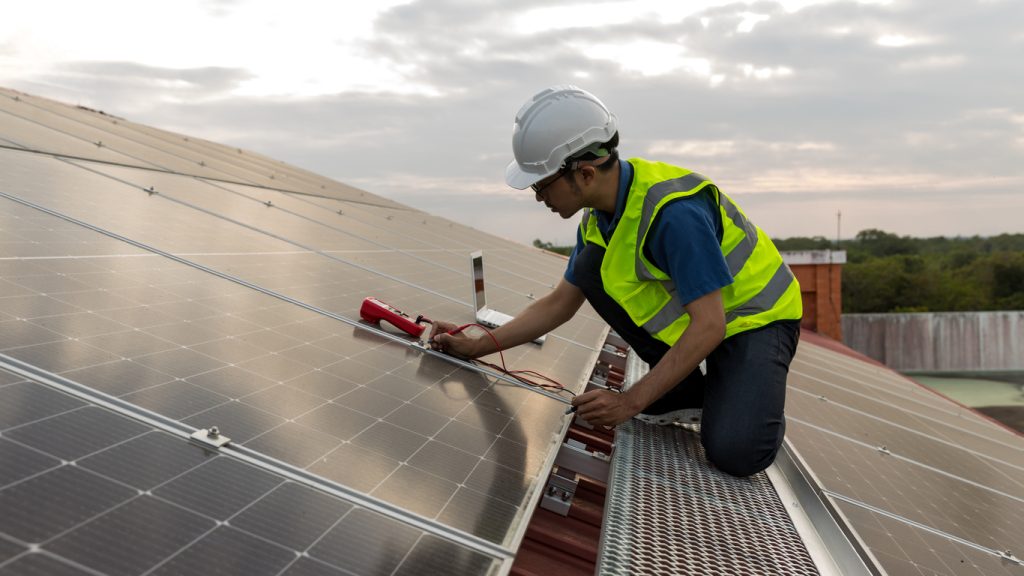
Corporate solar sustainability in Nigeria is becoming less of a branding exercise and more of an operational decision. For companies running offices, warehouses, retail outlets, hotels, clinics or production facilities, unreliable electricity and generator dependence can directly affect costs, productivity and customer service.
Solar does not automatically solve every power problem. A business still needs to understand its daily load, peak demand, battery requirements and operating hours before deciding what size of system makes financial sense.
This is especially important in commercial areas such as Lagos, Abuja and Port Harcourt, where businesses may spend heavily on diesel simply to keep essential equipment running when grid supply drops.
Start With What Your Business Actually Uses
A common mistake is asking for a solar system based only on the size of an office or building.
Two companies occupying similar properties can have completely different electricity requirements.
A small administrative office may mainly power laptops, lighting, fans and internet equipment. A supermarket could require freezers, refrigeration, lighting, POS terminals and security systems throughout the day.
Before installation, businesses should document:
- Average daily electricity consumption
- Equipment that must remain powered during outages
- Generator running hours
- Monthly diesel expenditure
- Daytime and overnight energy demand
- Plans for additional equipment or branches
An energy assessment makes it easier to avoid installing a system that becomes inadequate shortly after deployment.
Where Solar Can Reduce Generator Dependence
Many Nigerian companies do not need to eliminate every other power source immediately.
A practical corporate solar sustainability strategy may begin by moving predictable daytime loads to solar while retaining the grid or generator as backup.
For example, a Lagos office that normally runs a generator from morning until closing time may use solar and batteries for lighting, computers, internet equipment and selected air-conditioning units.
Warehouses can use renewable power for security systems, lighting and administrative sections, while businesses handling cold storage may require much larger systems designed around refrigeration loads.
Nigeria’s renewable-energy programmes are also increasingly focused on productive commercial use. The Rural Electrification Agency’s Solar for Business initiative, for instance, targets businesses and economic clusters that need reliable electricity, reflecting the wider movement toward commercial solar adoption.
Calculate Savings Beyond the Price of Diesel
Companies considering solar often compare the installation price only with their current generator fuel bill.
The calculation should be broader.
Generator operation also involves servicing, engine oil, filters, repairs, replacement parts and staff time spent managing fuel supply. Unexpected generator faults can interrupt operations altogether.
A properly designed solar installation may reduce some of these recurring expenses, although batteries, inverters and other components also require maintenance and eventual replacement.
The strongest business case usually comes from studying total energy expenditure over several years rather than expecting an immediate reduction in every electricity-related cost.
Corporate Solar Sustainability Needs Proper Maintenance
Installing panels is only the beginning.
Panels exposed to Lagos dust, Harmattan conditions or industrial environments will need periodic cleaning and inspection. Battery performance should be monitored, electrical connections checked and unusual changes in system output investigated early.
Companies with multiple branches should also keep maintenance records for each location.
This makes renewable-energy investment easier to manage as an actual business asset rather than a one-off sustainability project.
Sustainability Can Support Business Continuity
Reliable power affects more than environmental reporting.
For a logistics company, power keeps dispatch systems and tracking tools active. For a hotel, it affects guest comfort. For an ecommerce business, it keeps order-processing equipment and communications running. For clinics and pharmacies, refrigeration and essential equipment may depend on uninterrupted electricity.
Large Nigerian renewable-energy projects are already being positioned around this connection between cleaner electricity, lower generator dependence and more reliable operations.
Planning Solar Across Several Business Locations
Businesses expanding renewable power across Lagos, Abuja or other parts of Nigeria also face practical logistics requirements.
Panels, batteries, mounting equipment and inverters may need secure transportation to different sites. Heavy or sensitive components require appropriate vehicles and careful handling, particularly when moving equipment interstate.
Travo.ng can support these operational requirements through cargo logistics, transport coordination, vehicle hire and business logistics support. This allows companies to coordinate the physical movement of equipment alongside their broader corporate solar sustainability in Nigeria plans.
For companies pursuing cleaner operations, the strongest approach is not simply installing solar panels. It is building a realistic energy strategy around actual consumption, reliable equipment, proper maintenance and efficient deployment across every location.
