


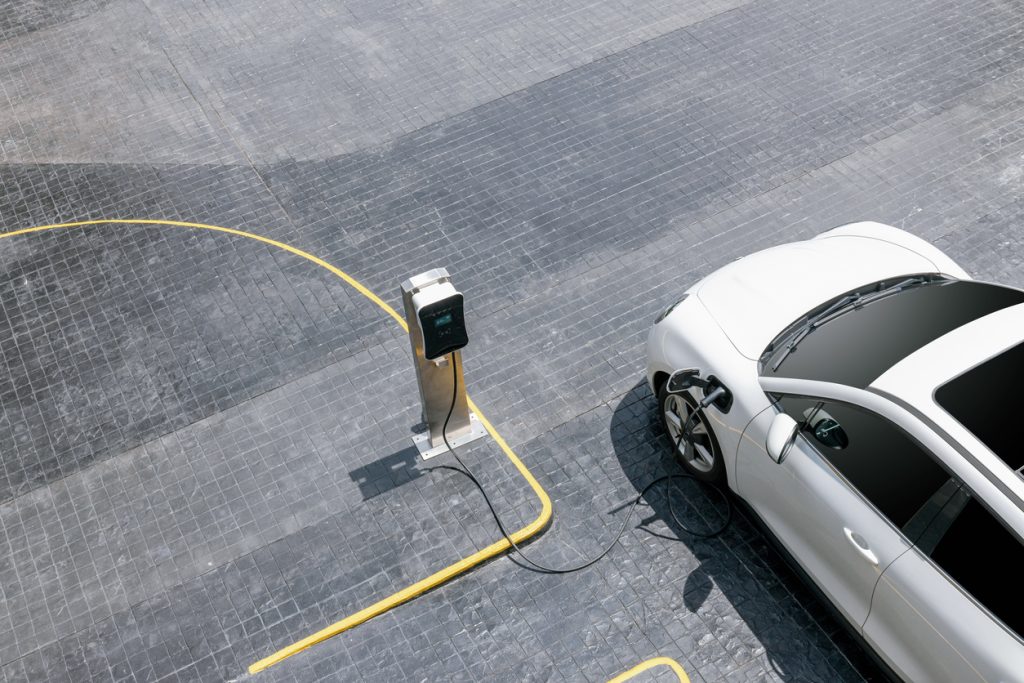
Commercial EV charger installation is becoming a practical consideration for Nigerian businesses preparing for electric vehicles, fleet electrification and lower dependence on petrol or diesel-powered transport.
For offices, hotels, estates, logistics companies, shopping centres and fleet operators, installing chargers is not simply about mounting equipment on a wall. The site must have adequate electrical capacity, suitable parking space, safe cable routing and a charging setup that matches how vehicles will actually be used.
Travo.ng can help businesses coordinate EV charging projects alongside transport, fleet and mobility requirements, making it easier to plan installations around real operational needs.
Start With How the Vehicles Will Actually Be Used
A company with two executive electric cars has very different charging requirements from a delivery business operating 15 vehicles every day.
Before choosing equipment, consider:
- How many electric vehicles will use the site?
- How many kilometres does each vehicle cover daily?
- Will vehicles remain parked overnight?
- Will customers or visitors also use the chargers?
- Is fast charging genuinely required?
- Could the fleet increase within the next two or three years?
For example, a Lagos delivery fleet returning to its depot in Ikeja every evening may be able to recharge gradually overnight. A commercial location serving drivers throughout the day may require faster chargers and more electrical capacity.
Choosing the charger before answering these questions can lead to unnecessary spending.
What a Commercial EV Charging Site Assessment Should Check
A professional site assessment should happen before installation begins.
The electrical team needs to examine the existing supply, distribution board, available load capacity, cable distances and parking configuration. Some facilities may also require upgrades before several chargers can operate simultaneously.
This is particularly important in Nigeria, where businesses frequently combine grid electricity with generators, solar systems, inverters or battery storage.
The assessment should consider how the charging equipment will interact with these different power sources.
For commercial properties in Lekki, Victoria Island, Abuja or Port Harcourt, another practical issue is charger positioning. Vehicles should be able to park and connect without blocking entrances, loading areas or normal traffic around the premises.
AC or DC Charging Depends on Your Operation
Not every commercial facility needs expensive rapid charging.
AC chargers are often suitable for offices, residential estates, hotels and fleet depots where vehicles remain parked for several hours.
DC fast chargers make more sense where quick vehicle turnaround is important.
A logistics company operating electric vans throughout Lagos, for instance, may need faster daytime charging than a corporate office where staff vehicles remain parked from morning until evening.
The right decision should therefore be based on utilisation rather than simply buying the highest-powered charger available.
What Commercial EV Charger Installation Can Cost
There is no reliable single price for a commercial installation because equipment and electrical requirements vary considerably.
The final cost may depend on charger capacity, number of charging points, cable distance, electrical upgrades, civil works, protective equipment and whether solar or battery systems are being integrated.
A simple installation involving one or two AC charging points will generally require a much smaller investment than a fleet depot with multiple high-capacity chargers.
Businesses should request a proper site inspection and detailed quotation instead of comparing charger prices alone. The charger itself may only represent part of the total project cost.
Plan for Lagos Power and Parking Realities
Commercial EV charging in Nigeria needs to account for conditions that overseas installation guides often overlook.
A charger may be technically suitable but operationally frustrating if electricity supply is unreliable during the hours vehicles return to base.
Businesses using solar, battery storage or generators should determine which power source will support charging and whether simultaneous charging could overload the system.
Parking discipline also matters. If conventional vehicles regularly occupy charging bays, drivers may return from deliveries and find that they cannot connect.
Clear markings and operational rules help prevent this.
Installing for Today Without Limiting Future Expansion
If a business expects its electric fleet to grow, planning additional electrical capacity and cable routes during the first installation can reduce future disruption.
A company starting with three EVs might eventually operate ten or twenty.
Preparing the site early can make additional chargers easier to install later without repeating major electrical or civil work.
Travo.ng can support businesses assessing commercial EV charger installation alongside vehicle movement, fleet planning and wider mobility operations. With proper site assessment and realistic charging schedules, companies can build an EV charging setup that supports daily operations rather than creating another logistical challenge.
