


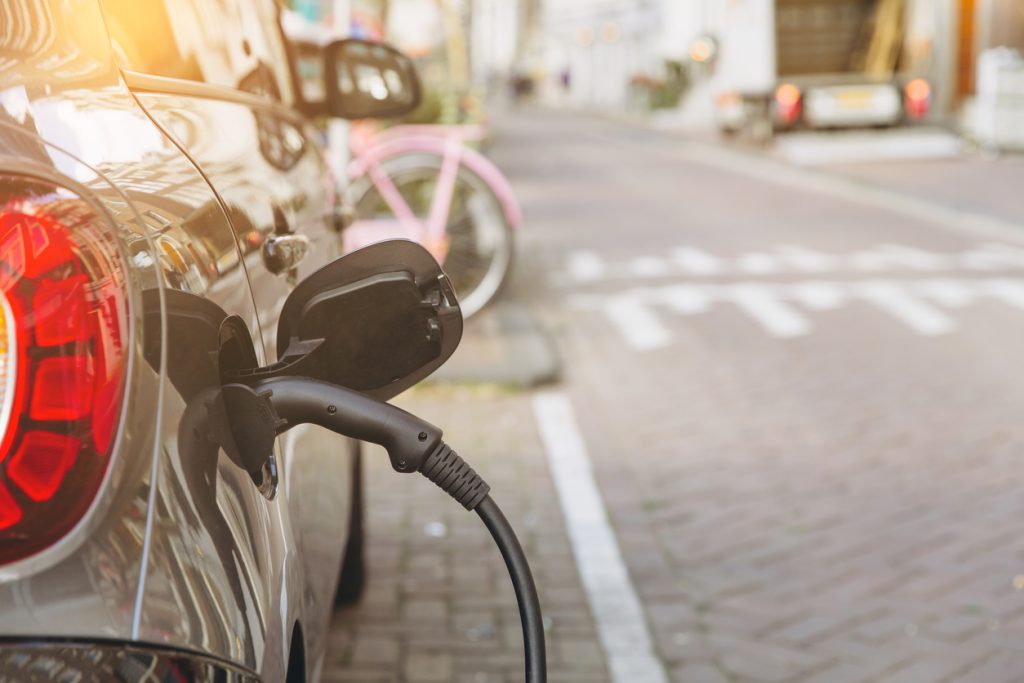
Buying an electric vehicle is one thing; being able to charge it conveniently at home is another. For most Nigerian EV owners, home charging is likely to handle the majority of everyday charging, which makes choosing the best EV charger for home an important part of owning the vehicle.
The right choice is not simply the charger with the highest advertised power. Your vehicle’s charging capacity, the electrical supply available in your house, connector type, installation quality and even generator or solar arrangements all affect what will work properly.
For someone driving between home, work and regular appointments around Lagos or Abuja, a dependable overnight charging setup is often more useful than an unnecessarily powerful charger the building cannot support.
A 7kW Home Charger Is Practical for Many EV Owners
For many private homes, a 7kW AC wall charger is a sensible starting point.
A charger in this range can replenish a typical EV overnight, depending on battery size and how much charge was remaining when the vehicle was plugged in. That suits drivers who return home in the evening and need the car ready the following morning.
Higher-powered 11kW or 22kW chargers can reduce charging time, but there is a catch. The house must have an electrical installation capable of supplying the required power, and the vehicle itself must support the higher AC charging rate.
Installing a 22kW unit does not automatically mean your vehicle will charge at 22kW.
Check Your EV Connector Before Buying Anything
One surprisingly common mistake is ordering a charger before confirming the vehicle’s charging port.
Type 2 is widely used for AC charging on many modern electric vehicles, while imported EVs may come with different charging standards depending on their original market.
Before buying, confirm:
- The vehicle’s AC connector type
- Maximum onboard AC charging rate
- Single-phase or three-phase requirements
- Charger cable length
- Whether an adapter is genuinely suitable
- Manufacturer charging recommendations
This is particularly important when buying used EVs imported into Nigeria.
Your House Power Supply Can Be the Real Limitation
Finding the best EV charger for home in Nigeria requires looking beyond the vehicle.
A qualified electrician should assess the property before installation. Older houses, apartments and buildings with heavily loaded distribution boards may need electrical upgrades before a dedicated EV circuit can be installed safely.
The installer should consider cable sizing, circuit protection, earthing and the total demand from appliances such as air conditioners, water heaters and pumping machines.
In Lagos, for example, a household may already be switching between grid electricity, an inverter, solar and a generator. An EV charger adds another substantial electrical load.
Load management can therefore be extremely useful. A smart charger can reduce charging power when other household appliances are consuming significant electricity instead of continually pushing the installation towards its maximum capacity.
Smart Charging Is Worth Paying Attention To
A good home EV charger should make charging easier rather than simply supply electricity.
Useful smart functions can include scheduled charging, energy monitoring, adjustable charging current and mobile-app controls.
Scheduling is particularly practical where electricity availability varies. Instead of plugging in and drawing maximum power immediately, charging can be planned around periods when the preferred power source is available.
Some homes with sizeable solar installations may also want a charger capable of integrating with their energy-management system. However, the solar array, inverter and battery storage must be properly sized. A small residential solar system should not automatically be expected to support continuous high-power EV charging.
Think About Where the Charger Will Be Installed
A charger mounted inside a secure garage faces different conditions from one installed outdoors beside a driveway.
For outdoor installations, look for equipment designed to tolerate rain, dust and Nigerian heat. Cable placement also matters. A charger positioned badly can leave cables stretched across walkways or require inconvenient parking every time the vehicle needs power.
Ideally, the cable should comfortably reach the charging port when the car is parked normally.
What Should You Choose?
For many households, the sweet spot is a professionally installed 7kW smart Type 2 wall charger, provided it matches the EV and the property’s electrical capacity.
Drivers with compatible vehicles and suitable three-phase power may consider 11kW or 22kW options, particularly where faster turnaround is genuinely necessary.
Avoid choosing purely by price. Cheap equipment with questionable protection, poor installation or incompatible connectors can quickly become an expensive problem.
Travo.ng can also support EV owners with practical transport coordination, vehicle movement and related mobility logistics where necessary. This is useful when arranging vehicle collection, transporting an EV between cities, or coordinating mobility while charging equipment or a vehicle is being serviced.
Ultimately, the best EV charger for home is the one that safely matches your car, your electricity supply and your normal driving routine. Get those three things right, and home charging becomes one of the most convenient parts of owning an electric vehicle in Nigeria.
