


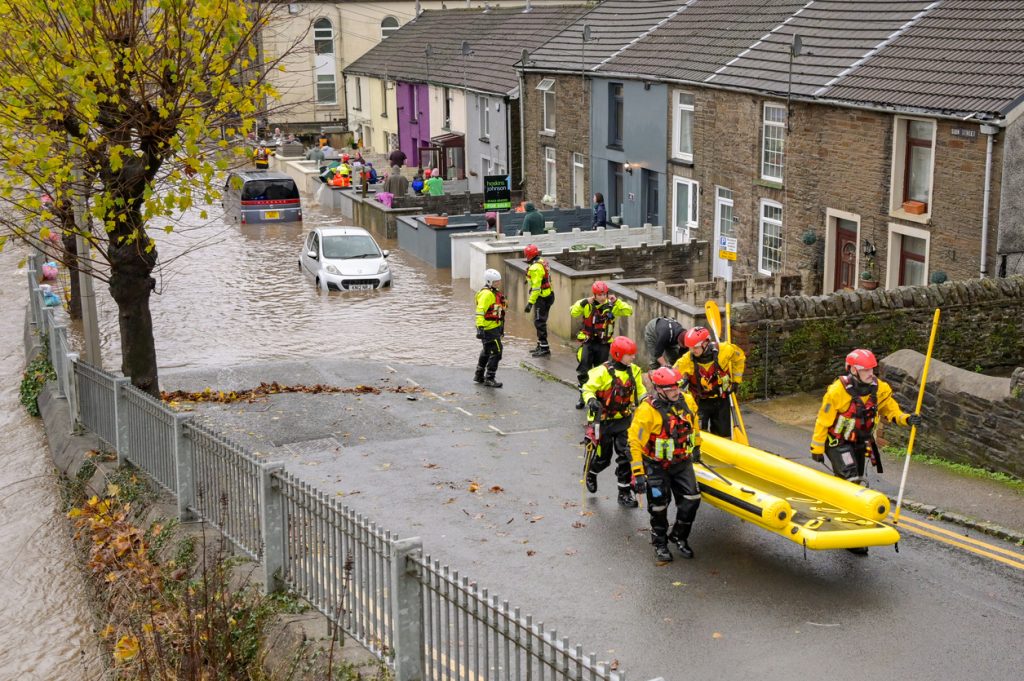
When employees are left without a safe way home after work, the problem can quickly become an operational and security concern. Stranded workers emergency transport helps businesses arrange urgent movement for staff when normal buses, company vehicles, or public transport are no longer available.
This situation is common in Nigerian cities. A factory shift may end after the staff bus develops a fault. Heavy rain can make public transport scarce. An office team may finish an urgent project after 10 p.m., while employees living in places such as Ikorodu, Ajah, Surulere, or Berger still need to get home.
Travo.ng can coordinate emergency staff pickups, vehicle hire, and transport arrangements when companies need a practical solution quickly.
When Workers Suddenly Have No Transport Home
Emergency staff movement is not limited to vehicle breakdowns. Businesses may need alternative transport because of:
- A company bus breaking down during a shift
- Drivers becoming unavailable unexpectedly
- Employees working several hours beyond normal closing time
- Heavy rainfall disrupting buses and ride availability
- Airport, warehouse, factory, or event staff finishing late
- Road closures forcing companies to change pickup arrangements
- Large groups requiring transport after an unexpected schedule change
The first priority should be knowing how many employees need transport, where they are located, and where they need to go.
Trying to arrange separate taxis for 20 workers without proper coordination can create delays, missed pickups, and unnecessary cost.
Getting Workers Out of Lagos After a Late Shift
Lagos presents a particular challenge because two employees travelling the same distance may face completely different journey times.
Moving workers from Victoria Island to Yaba, for example, is different from sending another group to Ajah, Ikorodu, or Iyana Ipaja.
Where possible, employees should be grouped according to their destination corridors. A company with 18 stranded staff might arrange vehicles around routes such as:
- Lekki–Ajah
- Yaba–Surulere–Festac
- Maryland–Ojota–Ketu
- Ikeja–Berger and surrounding areas
This is usually more manageable than dispatching vehicles without a clear drop-off plan.
During heavy rain or major traffic disruptions, companies should also expect journey times to increase considerably. A trip that normally takes 45 minutes can easily stretch beyond two hours.
What Information Speeds Up an Emergency Pickup
Businesses requesting stranded workers emergency transport should provide accurate information from the beginning.
The transport coordinator will typically need the pickup address, number of passengers, preferred departure time, destination areas, luggage requirements, and a contact person at the location.
For larger groups, knowing whether workers can be dropped at central points rather than individual homes can also affect the type and number of vehicles required.
For example, moving 30 employees from an industrial facility in Ikeja may require a different arrangement from transporting six technicians stranded near Lekki after an equipment installation.
Choosing the Right Vehicle for Stranded Employees
Vehicle size should match the situation rather than simply choosing whatever vehicle becomes available first.
A small group may only require a sedan or SUV. Larger teams may need buses or several coordinated vehicles.
Where equipment, work tools, or luggage are involved, this should be mentioned before dispatch. Loading eight passengers into a vehicle and later discovering that everyone also has large work bags creates an avoidable problem.
Companies should also confirm pickup points carefully, especially around industrial estates, construction sites, airports, warehouses, and locations that may be difficult for unfamiliar drivers to find at night.
How Travo.ng Helps With Urgent Staff Transport
Travo.ng provides practical transport coordination and vehicle hire support for businesses dealing with unexpected staff movement.
Instead of HR or operations teams calling multiple drivers individually, one transport request can be organised around passenger numbers, pickup location, destination clusters, and suitable vehicles.
The same support can be useful for corporate transport, airport pickups, group movement, business logistics, and planned employee transportation.
Emergency transport works best when the response is organised rather than rushed. When workers are stranded, accurate passenger information, sensible route grouping, suitable vehicles, and clear communication can turn a difficult situation into a manageable transport operation.
Businesses that need urgent employee movement can contact Travo.ng to arrange suitable vehicles and coordinate safe, practical transport for stranded staff.
