


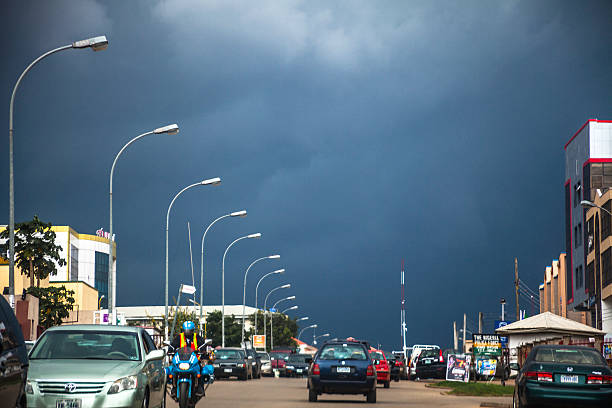
Severe rain and storms can disrupt movement quickly in Nigeria. Roads flood, vehicles break down, flights are delayed, deliveries stall, and businesses suddenly need alternative transport. In situations like these, reliable storm emergency logistics in Nigeria can make the difference between a manageable delay and a serious operational problem.
The challenge is rarely just finding a vehicle. The real work involves knowing which routes are still passable, coordinating drivers, protecting goods from water damage, adjusting delivery times, and keeping customers informed while conditions change.
Travo.ng helps individuals and businesses coordinate practical transport, delivery, cargo, and mobility support when bad weather affects normal operations.
What Usually Goes Wrong During Heavy Rain and Storms
In Lagos, a normal 45-minute delivery can turn into several hours when rainfall causes flooding around places such as Lekki, Victoria Island, Apapa, Marina, or parts of the mainland.
The same problem affects interstate movement. A truck travelling from Lagos to Benin City or Abuja may need to slow down significantly because of poor visibility, flooded sections, road accidents, or traffic diversions.
Typical emergency logistics requests include:
- Moving important parcels before roads become inaccessible
- Replacing a delivery vehicle that has broken down
- Collecting stranded passengers
- Moving goods from a flooded warehouse or shop
- Arranging urgent airport pickup after flight delays
- Finding alternative transport for staff
- Rescheduling cargo movement to a safer route or time
Good emergency logistics involves responding to the actual situation rather than simply sending the next available driver.
How Storm Emergency Logistics in Nigeria Should Be Planned
The first step is usually to confirm the pickup location, destination, urgency, type of cargo, and current road conditions.
For example, sending a motorcycle rider through heavily flooded streets may be unsafe even if a customer wants a parcel delivered immediately. A car, van, or delayed dispatch may be the better option depending on the route.
Businesses moving cartons, equipment, food products, or other commercial goods may also need covered vehicles to reduce exposure to rain.
During serious storms, practical coordination may include changing the pickup point, using a different road, splitting deliveries between vehicles, or postponing non-urgent movement until conditions improve.
This is especially important during the rainy season when flooding can develop quickly in Lagos and other major cities.
Businesses Need Backup Plans Before the Rain Starts
Emergency logistics works better when businesses already know what they will do if their normal delivery process fails.
An online retailer in Lekki, for instance, may normally rely on bike dispatch riders. During severe rain, some orders may need to move by car while others are held until roads improve.
A company transporting documents between Ikeja and Victoria Island may need to prioritise only time-sensitive deliveries.
Useful preparation includes keeping customer phone numbers available, using proper waterproof packaging, allowing flexible delivery windows, and having access to alternative vehicles.
Travo.ng can support businesses with courier services, delivery coordination, cargo logistics, vehicle hire, and other transport arrangements when normal operations are disrupted.
Airport and Passenger Movement Can Also Be Affected
Storms do not only affect cargo.
Passengers arriving at Murtala Muhammed International Airport may experience flight delays and then face difficult road conditions leaving Ikeja. Similar disruption can affect airport transfers in Abuja and other cities.
Pre-arranged airport pickup can reduce some of this uncertainty because the driver and passenger can communicate about arrival changes before the journey begins.
For companies moving employees or visitors, coordinated vehicle hire can also be more practical than asking each traveller to find transportation independently during poor weather.
Protecting Goods During Emergency Deliveries
Speed should never replace basic cargo protection.
Goods that can be damaged by water should be wrapped properly before loading. Electronics, documents, clothing, packaged food, and retail stock may require waterproof outer packaging even when transported inside a covered vehicle.
Drivers should also avoid placing vulnerable parcels directly on wet vehicle floors.
For larger cargo movements, customers should provide accurate information about the size, weight, packaging, and sensitivity of the goods so the right vehicle can be arranged.
Getting Practical Logistics Support During Severe Weather
When storms disrupt normal movement, customers need realistic information rather than impossible delivery promises.
Travo.ng can help coordinate urgent deliveries, courier requests, airport pickups, vehicle hire, cargo movement, and business logistics support depending on road conditions and availability.
Effective storm emergency logistics in Nigeria is ultimately about making sensible decisions quickly: protecting people, protecting goods, choosing workable routes, and keeping important movement going safely when the weather changes normal plans.
