


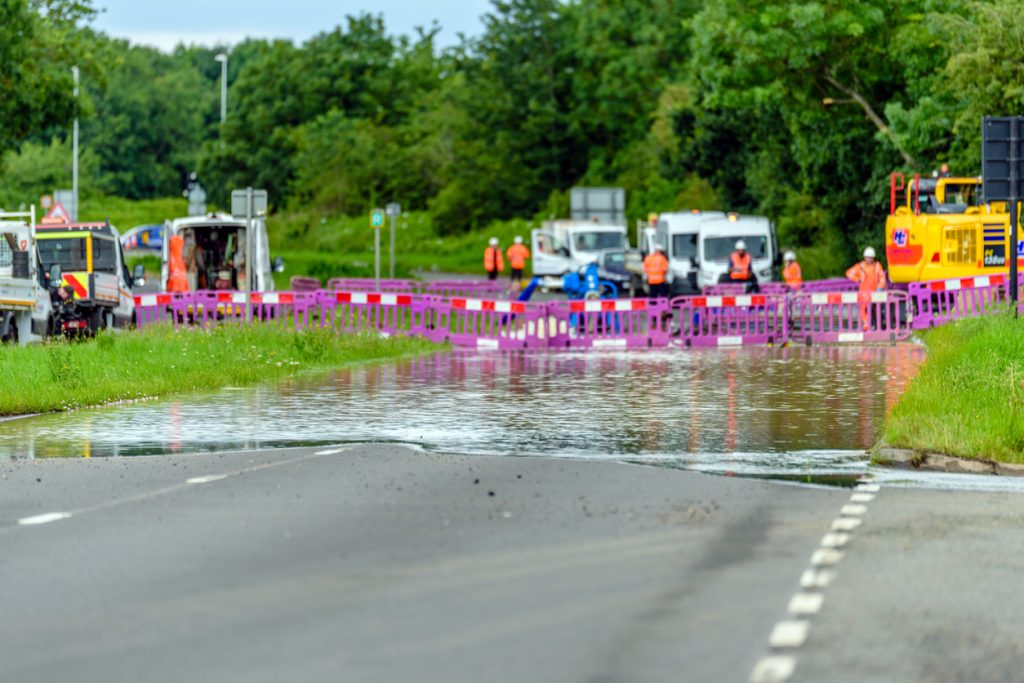
Floodwater can enter a home, shop, office or warehouse within minutes, but the damage may continue long after the water level drops. Wet walls, soaked furniture, damaged electrical fittings and contaminated floors can make a property unsafe to use.
Professional flood damage restoration Lagos services help property owners remove water, clean affected areas and begin recovery before moisture causes further structural or health problems.
This is particularly important in flood-prone parts of Lekki, Ajah, Victoria Island, Ikoyi, Surulere and mainland communities where heavy rain can overwhelm drainage systems and block access roads.
What to Do Immediately After Floodwater Enters
The first priority is safety. Do not enter a flooded building if there is a risk of electrical shock, unstable ceilings or contaminated water.
Where it is safe to act, switch off electricity from the main supply and keep children, staff and customers away from the affected area. Avoid touching plugged-in appliances or walking through water near sockets.
You should also:
- Take photos and videos of the damage
- Move dry valuables to a safer location
- Separate wet items from unaffected property
- Contact your landlord or facility manager
- Notify your insurer where applicable
- Arrange water extraction as quickly as possible
The longer water remains inside the property, the more likely it is to damage flooring, plaster, timber, furniture and stored goods.
Water Removal Is Only the First Stage
Removing visible water does not mean the property is dry. Moisture can remain under tiles, inside walls, beneath carpets and behind cabinets.
A proper restoration process may involve:
- Pumping or extracting standing water
- Removing mud and debris
- Cleaning contaminated surfaces
- Drying walls, floors and furniture
- Checking for mould growth
- Disinfecting affected rooms
- Repairing damaged materials
- Replacing items that cannot be restored
Commercial properties may also need damaged stock moved to temporary storage while cleaning takes place.
For example, a flooded shop in Lekki may require water pumps, industrial fans, cleaning equipment and a vehicle to remove damaged shelves or cartons. Coordinating all these services early can reduce downtime.
What Can Usually Be Saved After Flooding
Some items can be cleaned and restored if they are treated quickly. Others may need to be discarded, especially if they have absorbed contaminated water.
Hard furniture, metal equipment and sealed plastic items are often easier to clean. Mattresses, upholstered chairs, cardboard boxes and untreated wood may be more difficult to restore.
Electrical appliances should be inspected by a qualified technician before being used again. Even when an appliance looks dry, internal moisture may create a fire or shock risk.
Documents and photographs may sometimes be recovered if they are separated carefully and dried under controlled conditions. Avoid placing wet papers directly under intense heat because they may shrink or stick together.
Access Problems Can Delay Restoration Work
Flooding often affects the same roads needed by recovery teams. A cleaning crew may be ready to work but unable to reach the property with pumps, generators and drying machines.
Before booking, provide recent information about:
- The depth of water on surrounding roads
- Whether a van or truck can enter the street
- Available parking or unloading space
- Estate or security gate restrictions
- The number of floors affected
- Whether electricity is available
- The amount of debris requiring removal
In severely flooded locations, equipment may need to be transferred using a smaller vehicle or boat. Travo.ng can help coordinate vehicle hire, equipment delivery, waste removal and alternative transport where normal road access is limited.
Why Fast Drying Matters in Lagos Humidity
Lagos has a humid climate, so damp rooms may take longer to dry naturally. Closing the building and waiting for moisture to disappear can allow musty smells and mould to develop.
Industrial fans, dehumidifiers and proper ventilation can speed up drying. Wet skirting boards, ceiling panels and damaged drywall may also need to be removed so trapped moisture can escape.
Mould can begin developing on damp materials within a relatively short period, especially in poorly ventilated rooms. This is why restoration should begin as soon as the property is safe to enter.
Avoid These Common Restoration Mistakes
Do not repaint damp walls simply to hide water stains. The paint may peel, and mould can continue growing underneath.
Another mistake is reconnecting electricity before wiring and sockets have been inspected. Property owners should also avoid keeping badly contaminated carpets, bedding or furniture simply because replacement will be expensive.
Using household fans alone may not be enough for a large commercial space or deeply soaked building. The drying method should match the level of damage.
Arrange Flood Recovery Support With Travo.ng
Reliable flood damage restoration Lagos services require quick response, suitable equipment and coordinated movement of workers, tools and damaged property.
Travo.ng helps homeowners, businesses, estate managers and organisations arrange equipment delivery, vehicle hire, waste collection, temporary storage and transport support during flood recovery.
By coordinating the practical logistics around restoration, property owners can begin cleaning sooner, reduce avoidable losses and return the building to safe use with less disruption.
