


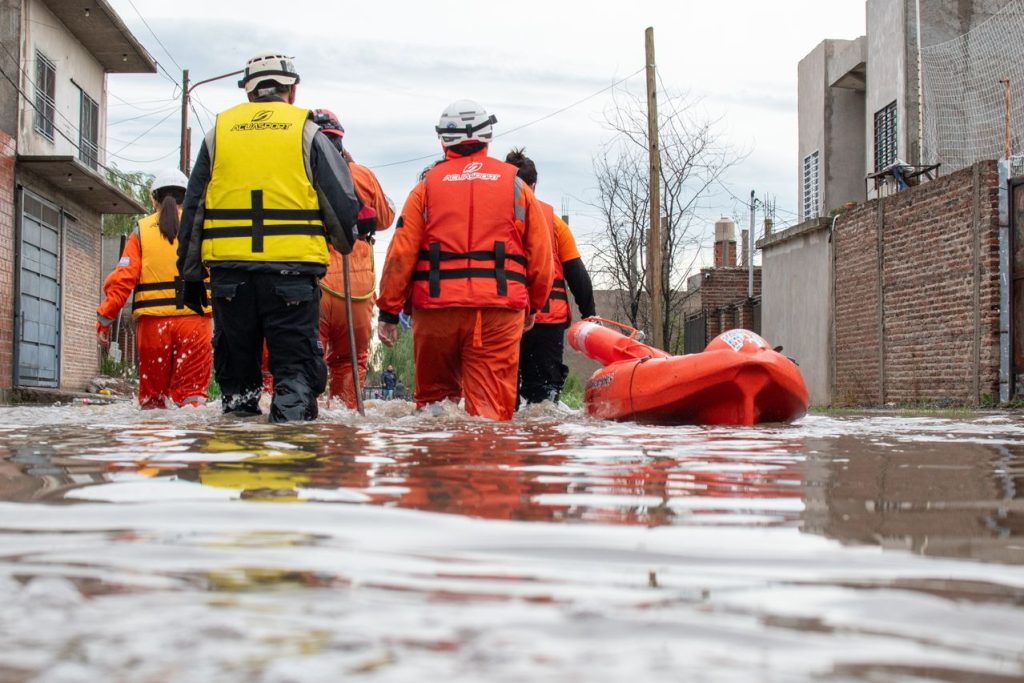
Flooding, poor road access and long distances between riverine communities can make emergency response difficult. In parts of Bayelsa, Rivers, Delta, Lagos and Cross River, some communities cannot be reached quickly by car, especially during the rainy season or after severe flooding.
Reliable humanitarian boat services in Nigeria help relief organisations move people, food, medicine, clean water and emergency equipment to places where road transport is unavailable or unsafe.
These operations require more than hiring the nearest available boat. The vessel must match the route, passenger count, cargo weight and water conditions. Proper planning also helps prevent delays when every hour matters.
When Relief Teams Need Water Transport
Humanitarian boats are often required after floods isolate homes, health centres and temporary shelters. They may also support communities that depend on waterways throughout the year.
Typical assignments include transporting:
- Relief workers and medical teams
- Food and bottled water
- Medicines and first-aid supplies
- Hygiene kits and clothing
- Tarpaulins and temporary shelter materials
- Communication and power equipment
- Elderly people, children or injured passengers
For example, a relief team operating from Yenagoa may need to transfer supplies by road to a waterside loading point before using boats to reach surrounding communities. In Lagos, deliveries to parts of Makoko may also require coordination between vans, smaller boats and local guides.
The Right Boat Depends on the Assignment
A small passenger boat may be suitable for an assessment team but inappropriate for moving several tonnes of food or building materials.
Before confirming a booking, the organiser should provide the number of passengers, estimated cargo weight, package dimensions and expected journey length. This information helps determine whether the operation requires a speedboat, covered passenger boat, cargo canoe or larger vessel.
Covered boats are useful when transporting medicine, clothing and packaged food during rain. For bulky items such as water tanks, generators or shelter materials, cargo space and weight distribution become more important than speed.
Overloading should never be accepted simply to reduce the number of trips.
Relief Cargo Must Be Prepared for Water Movement
Supplies that are safely packed for road transport may still be vulnerable on a boat. Rain, spray and wet loading areas can damage cartons, medicine labels, documents and electronic equipment.
Food and hygiene products should be placed in strong bags, waterproof containers or sealed outer wrapping. Medical supplies may require insulated packaging or temperature control, depending on the product.
Each package should be clearly labelled with its destination and contents. Where several communities are being served, separate the cargo before loading so teams do not waste time searching through mixed supplies at every stop.
Travo.ng can help coordinate cargo pickup, delivery to the jetty, boat transport and onward distribution as one connected operation.
What to Check Before Departure
Humanitarian travel must be organised around safety as well as urgency. Every passenger should have a suitable life jacket, and the operator should understand the route and local water conditions.
Before the boat leaves, confirm that:
- Passenger and cargo limits have not been exceeded
- Life jackets are available and worn
- Fuel is sufficient for the journey and return
- Weather conditions are suitable
- Phones and communication equipment are protected
- Emergency contacts are shared
- Cargo is balanced and secured
Night trips should be avoided unless the vessel has proper lighting, navigation support and an operator experienced with the route. Floating debris and submerged structures are harder to identify after dark.
Local Knowledge Can Prevent Costly Delays
Water levels, tides and currents can change rapidly. A route that is passable in the morning may become difficult later, while some landing points may only be accessible with smaller boats.
Local operators can advise on suitable departure times, safe channels and alternative loading areas. Relief organisations should also confirm whether community representatives will be available to receive supplies and manage unloading.
Without this coordination, a boat may arrive at the correct community but still struggle to find a safe place to dock.
Coordinate Humanitarian Boat Services With Travo.ng
Effective humanitarian boat services in Nigeria depend on suitable vessels, trained operators and careful coordination between road and water transport.
Travo.ng helps NGOs, businesses, community groups and relief teams arrange boat transport, vehicle hire, cargo movement, accommodation and emergency delivery support across Nigeria.
Whether the assignment involves flood response, medical outreach or the distribution of essential supplies, planning the full journey together helps relief teams reach vulnerable communities safely and with fewer delays.
