


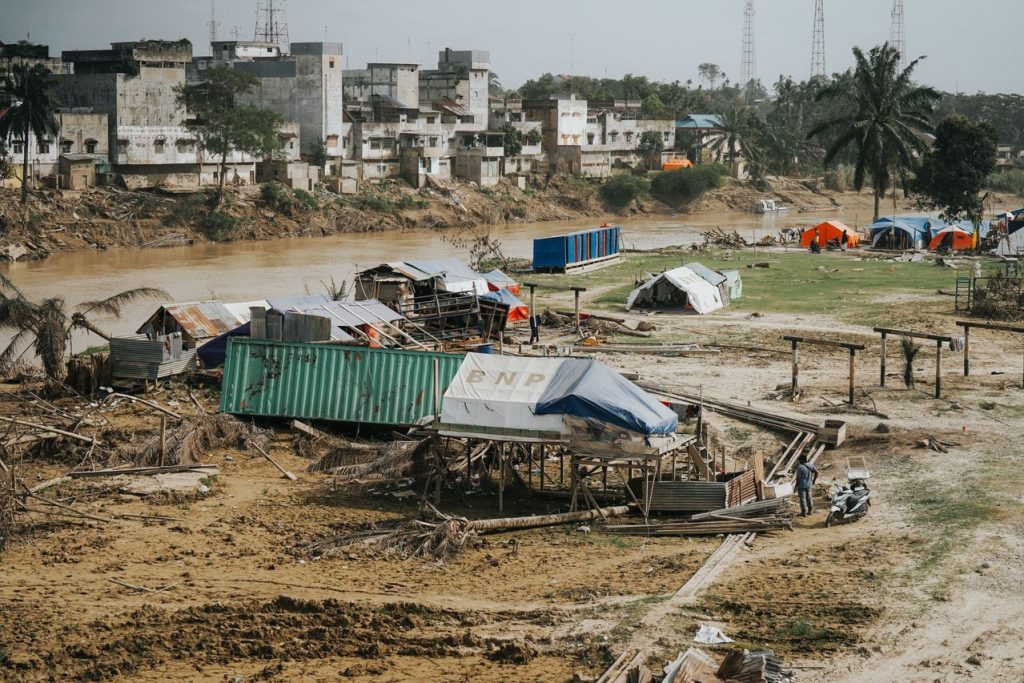
When flooding, fire, displacement or another emergency forces people from their homes, setting up a temporary camp is only the beginning. Relief teams must also move food, water, medical items, shelter materials and trained personnel to the right place without creating further delays.
Effective disaster camp logistics Nigeria operations require clear planning, reliable transport and accurate information from the affected area. Roads may be flooded, bridges damaged and fuel difficult to obtain. A delivery plan that works during normal conditions may fail completely during an emergency.
Travo.ng helps organisations coordinate transport, cargo movement, vehicle hire and urgent deliveries for relief operations across Nigeria.
What Must Reach the Camp First
The first deliveries should support immediate survival and safe camp operations. Sending non-essential goods too early can occupy limited vehicle space and slow down critical supplies.
Priority items commonly include:
- Clean drinking water
- Ready-to-eat food
- Emergency medical supplies
- Tarpaulins, tents and sleeping mats
- Sanitation materials
- Baby food and hygiene products
- Lighting and power equipment
- Communication devices
- Protective clothing for workers
Before loading a vehicle, the camp coordinator should confirm what has already arrived and what remains urgently needed. This helps prevent a situation where several trucks deliver bottled water while essential medicines or shelter materials are still missing.
Damaged Roads Can Change the Entire Delivery Plan
Access is one of the biggest challenges during disaster response. A location may appear reachable on a map, but floodwater, fallen trees or damaged road surfaces can block the final section of the journey.
For example, relief supplies moving from Abuja to an affected community in Niger or Kogi State may travel normally for most of the route before encountering an impassable access road. In parts of Bayelsa, Rivers and Delta, the last stage may require a boat rather than a truck.
Transport planning should therefore include:
- A confirmed primary route
- At least one alternative route
- A suitable transfer point
- Local contacts who understand current conditions
- Backup vehicles or boats where necessary
- Extra fuel for delays and diversions
Travo.ng can coordinate road transport with boat movement or smaller last-mile vehicles when one transport method cannot complete the full journey.
How Supplies Should Be Packed and Labelled
Poor packaging creates confusion at disaster camps. Relief workers may receive hundreds of similar cartons without knowing which contain food, medicine, clothing or hygiene items.
Each package should be clearly labelled with its contents, quantity and handling requirements. Medical supplies should be separated from general cargo, while temperature-sensitive items may require cold-chain transport.
Heavy items should be loaded at the bottom of the vehicle. Food should not be transported beside fuel, chemicals or leaking equipment. Waterproof packaging is also important during the rainy season, especially when goods will be transferred between vehicles in an open area.
Using a simple inventory sheet helps the dispatch team and camp manager confirm what was sent and what was received.
Camp Deliveries Need Proper Timing
Sending several vehicles to a small camp at once may create congestion and increase security risks. Deliveries should be scheduled around the camp’s unloading capacity, storage space and available workforce.
If a truck arrives late at night, there may be insufficient lighting or personnel to unload it safely. Daytime delivery is generally easier unless the supplies are urgently needed.
Drivers should receive:
- Exact coordinates or clear landmarks
- The camp coordinator’s phone number
- Entry and security instructions
- The expected unloading time
- Information about road conditions
- Guidance on returning safely
Regular updates are important because emergency conditions can change while the vehicle is already on the road.
Moving Relief Workers and Volunteers Safely
Disaster camp logistics also includes transporting doctors, nurses, engineers, security personnel and volunteers.
Passenger movement should be planned separately from heavy cargo where possible. People should not travel in unsafe sections of loaded trucks simply because vehicle availability is limited.
The transport coordinator should know how many passengers are travelling, what equipment they carry and whether accommodation is available near the camp. For multi-day operations, hotel reservations or temporary lodging may also need to be arranged for specialist teams.
Common Problems That Slow Relief Operations
One frequent mistake is dispatching supplies without confirming that the destination has secure storage. Goods may then be left outside, exposed to rain, theft or contamination.
Other problems include using overloaded vehicles, sending drivers without enough fuel and depending on one route. Poor communication can also lead to duplicate deliveries in one camp while another location receives nothing.
A central logistics contact should track every vehicle, delivery and outstanding request. This creates accountability and makes it easier to redirect resources when priorities change.
Coordinate Disaster Camp Logistics With Travo.ng
Reliable disaster camp logistics Nigeria operations depend on more than collecting donations. Supplies, personnel and equipment must reach affected communities through safe and workable routes.
Travo.ng can support humanitarian organisations, businesses, government teams and community groups with cargo transport, urgent deliveries, vehicle hire, boat transport and accommodation coordination.
By planning routes, loading schedules and last-mile access together, relief teams can reduce delays and deliver essential support where it is needed most.
