


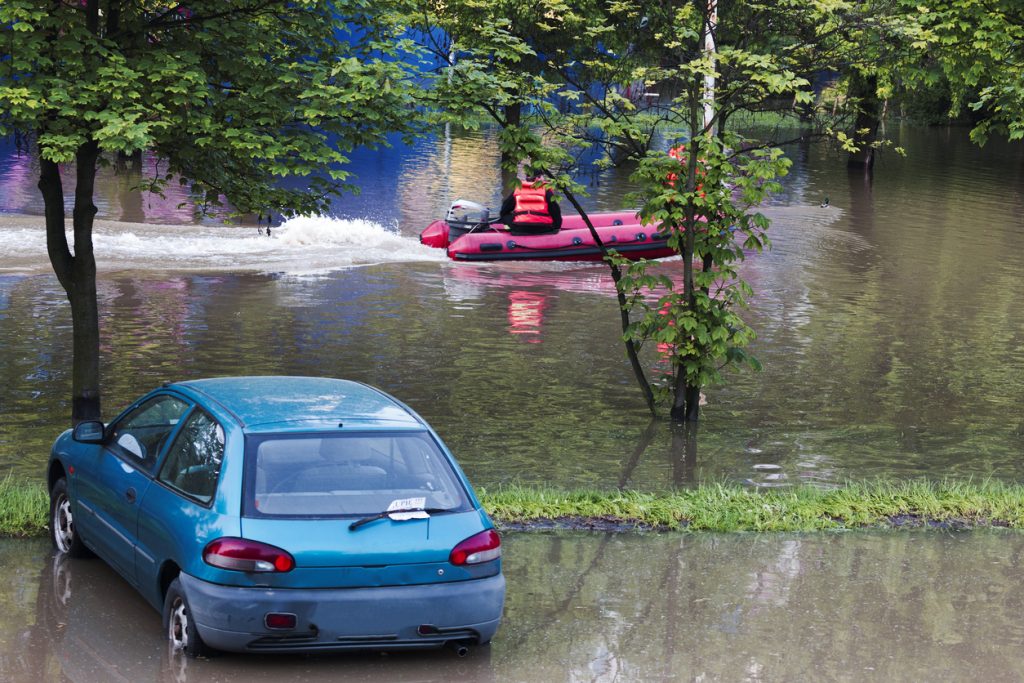
Heavy rainfall in Lagos can turn a normal 30-minute journey into several hours of delays. Roads around Lekki, Victoria Island, Ajah, Marina, Ikorodu and parts of the Mainland can become difficult to use, while deliveries, airport pickups and staff transportation are disrupted.
That is why conversations around Omi Eko flood response are important for residents and businesses thinking about safer movement during periods of heavy rain.
Omi Eko itself is a major Lagos waterways transport project designed to improve public transportation across the Lagos Lagoon. Plans linked to the project include improved ferry terminals, dredged navigation routes and electric ferries, helping Lagos develop stronger alternatives to road-only travel.
For travellers and businesses, the wider opportunity is straightforward: better water transport can make Lagos mobility more resilient when road conditions become difficult.
How Lagos Flooding Disrupts Everyday Movement
Flooding affects much more than private motorists.
A courier travelling from Yaba to Lekki may encounter waterlogged sections around major junctions. An airport pickup heading towards Victoria Island can lose valuable time in traffic created by flooded roads. Businesses sending goods between Island and Mainland locations may also struggle to give customers accurate delivery times.
During serious rainfall, common problems include:
- Longer delivery and pickup times
- Vehicles being unable to enter flooded streets
- Sudden diversions around blocked roads
- Missed flights or appointments
- Delayed staff transportation
- Difficulty moving bulky cargo safely
Businesses therefore need flexible transport planning rather than relying on one fixed route.
Where Omi Eko Flood Response Fits Into Lagos Mobility
The Omi Eko project is primarily a sustainable waterways transportation programme rather than an emergency flood-relief service. Its relevance to flood resilience comes from giving Lagos commuters more practical transport options beyond congested roads.
Official plans describe a €410 million programme involving the dredging of 15 ferry routes, deployment of 78 electric ferries and construction or upgrading of 25 ferry terminals.
With stronger ferry connections, someone moving between communities such as Ikorodu and central Lagos may eventually have more reliable alternatives when road corridors are heavily congested.
Water transport will not solve every flooding problem. Travellers still need safe connections between jetties and their final destinations. That makes coordinated road transport, pickups and delivery planning equally important.
What Businesses Should Do When Heavy Rain Is Forecast
Businesses that depend on regular movement across Lagos should avoid waiting until roads are already flooded.
Start by identifying deliveries that cannot be postponed. Documents, medical supplies, retail orders and time-sensitive business shipments may need earlier dispatch.
Drivers should also receive the recipient’s phone number and a secondary meeting point. If the normal street becomes inaccessible, the customer may be able to collect the parcel from a nearby safe location.
For larger operations, it is useful to separate deliveries by area. Sending one vehicle repeatedly between Lekki and Ikeja during severe weather can be inefficient. Grouping Island deliveries separately from Mainland jobs can reduce unnecessary movement.
Planning Airport Pickups During Lagos Rain
Airport transfers require even more caution because flights will not wait for flooded roads.
Someone travelling from Lekki Phase 1 to Murtala Muhammed International Airport may normally plan around traffic conditions, but heavy rainfall can create unpredictable delays around connecting roads.
During periods of intense rain, schedule pickups earlier than usual and keep the driver’s contact details available.
Travo.ng can help coordinate airport pickups, vehicle hire and transport arrangements, allowing travellers to organise their movement before conditions become difficult.
Delivery and Logistics Support When Routes Change
Flooding often creates a communication problem as much as a transportation problem.
A customer may expect a same-day parcel because the original journey looked straightforward when the order was placed. Two hours later, flooding may make the route temporarily unsafe.
This is where proper logistics coordination matters.
Through Travo.ng, individuals and businesses can arrange courier services, cargo logistics, delivery support and business transport coordination depending on the type of movement required.
Rather than forcing drivers through unsafe flooded areas, routes and delivery expectations can be adjusted around actual conditions.
Preparing for Lagos Rainy-Season Movement
Anyone frequently travelling or sending goods across Lagos should build extra flexibility into rainy-season plans.
Check conditions before dispatching vehicles, avoid unnecessary movement through heavily flooded streets, keep customers informed about delays and use alternative transport options where they are genuinely safer.
The development of Lagos waterways through projects such as Omi Eko could strengthen that flexibility by expanding practical alternatives to road travel. Lagos already has extensive lagoons, creeks and waterways, making water transport an important part of the state’s wider transport network.
For immediate everyday needs, however, good coordination remains essential.
Whether you need to move a parcel, arrange an airport transfer, hire a vehicle or coordinate business logistics during difficult weather, Travo.ng can help you plan the journey more carefully and choose practical transport options for current conditions.
