


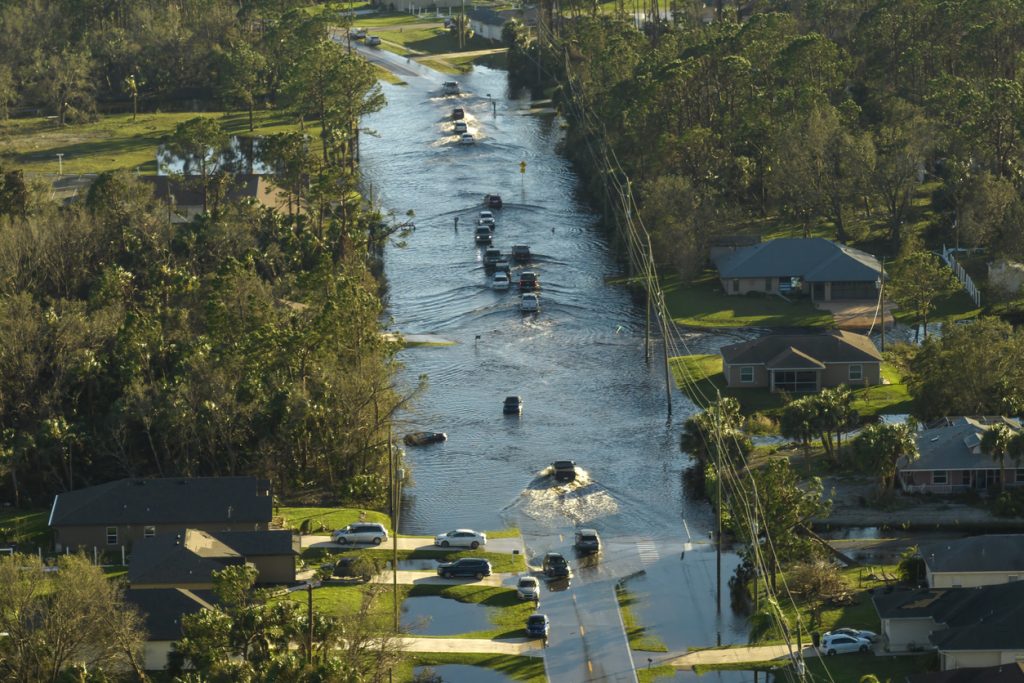
Flooding in Ojo can quickly disrupt normal movement, especially around low-lying streets, waterfront communities, and roads with poor drainage. Once water levels rise, families may struggle to reach markets, pharmacies, clinics, or collection centres. Businesses, charities, religious organisations, and community groups also face difficulties getting emergency supplies to the people who need them.
A reliable Ojo flood relief delivery service helps move essential items such as food, drinking water, medicine, clothing, bedding, hygiene products, and emergency equipment to affected locations. The process requires more than placing items inside a vehicle. Successful relief delivery depends on route planning, suitable vehicles, clear communication, careful packaging, and accurate information about the receiving community.
Travo.ng supports individuals and organisations that need practical delivery and transport coordination during difficult conditions in Ojo and surrounding parts of Lagos.
Why Normal Delivery Plans Often Fail During Flooding
A journey that normally takes 30 minutes can take several hours when roads are flooded or blocked. Areas around Iyana-Iba, Okokomaiko, Alaba, Trade Fair, Satellite Town, Ajangbadi, and parts of Ojo may experience heavy traffic even on normal days. Floodwater, broken-down vehicles, road diversions, and impatient drivers can make the situation worse.
Relief deliveries may fail when the organiser:
- Sends a small vehicle into deep water
- Uses cartons that are not protected from rain
- Provides an incomplete address
- Does not confirm whether the recipient can access the meeting point
- Loads too many delivery locations into one trip
- Sends perishable items without temperature protection
- Assumes every road shown on a map is passable
Before dispatching supplies, the delivery team should confirm the condition of the route, identify a safe drop-off point, and maintain contact with someone inside the affected area.
Supplies That Can Be Sent to Flood-Affected Areas
Different households and communities need different forms of support. For some families, the immediate priority may be clean water and ready-to-eat food. Others may need baby supplies, prescription medicine, mosquito nets, rechargeable lamps, or cleaning materials.
Common flood relief items include:
- Bottled water and packaged drinks
- Rice, garri, noodles, bread, and canned food
- Baby food, diapers, and sanitary products
- First-aid supplies and approved medicines
- Blankets, clothing, mats, and towels
- Soap, disinfectant, bleach, and hand sanitiser
- Torches, batteries, power banks, and rechargeable lamps
- Buckets, waterproof bags, raincoats, and rubber boots
Relief organisers should prioritise practical items that can be used immediately. Heavy cooking ingredients may not help families who have no access to dry cooking space, gas, or electricity.
How to Prepare Relief Items for Delivery
Flood relief packages should be packed differently from ordinary parcels. Cardboard cartons can weaken quickly when exposed to rain or floodwater. Food, medicine, clothing, and documents should be sealed inside waterproof bags before being placed in outer containers.
Each package should clearly show:
- The recipient’s name
- A working phone number
- The community or street
- A nearby landmark
- The contents of the package
- Any special handling instruction
For bulk community support, sorting packages by location can reduce unloading time. For example, supplies going to Okokomaiko should not be mixed randomly with items meant for Satellite Town or Ajangbadi. Proper labelling helps drivers and field coordinators complete deliveries without opening every package.
Choosing a Safe Drop-Off Point in Ojo
Door-to-door delivery may not always be possible during serious flooding. In such cases, a central meeting point can be more practical. This could be a school, church, mosque, community hall, filling station, estate gate, or other recognised landmark that remains accessible.
The receiving representative should arrive before the delivery vehicle and confirm that the location is safe. Relief supplies should not be left beside the road or handed to an unidentified person. Where several households are receiving assistance, a simple recipient list can help prevent confusion and double collection.
Travo.ng can help coordinate delivery instructions, vehicle movement, pickup arrangements, and communication between the sender, driver, and receiving contact.
What Affects the Cost of Flood Relief Delivery
The cost of an Ojo flood relief delivery depends on the pickup location, number of packages, vehicle size, delivery distance, road condition, waiting time, and number of drop-off points.
A small delivery from within Ojo will generally cost less than a fully loaded van travelling from Ikeja, Lekki, or another part of Lagos. Prices may also rise when a driver must wait for roads to clear, use an alternative route, or make several community stops.
To receive a more accurate quote, provide the following details:
- Pickup location
- Exact delivery area in Ojo
- Type and quantity of supplies
- Estimated weight or number of cartons
- Preferred delivery date
- Contact details for the recipient
- Number of delivery points
Arrange Reliable Ojo Flood Relief Delivery
Flood relief should be organised quickly, but it should not be rushed without a clear plan. Confirm what the affected people actually need, package the items properly, choose an accessible receiving point, and use a vehicle that can handle the load and road conditions.
Travo.ng provides courier services, cargo movement, vehicle hire, and delivery coordination for individuals, businesses, charities, and community organisations. Whether you are sending a few emergency packages or distributing supplies to several locations, Travo.ng can help you arrange an organised Ojo flood relief delivery with practical local support.
