


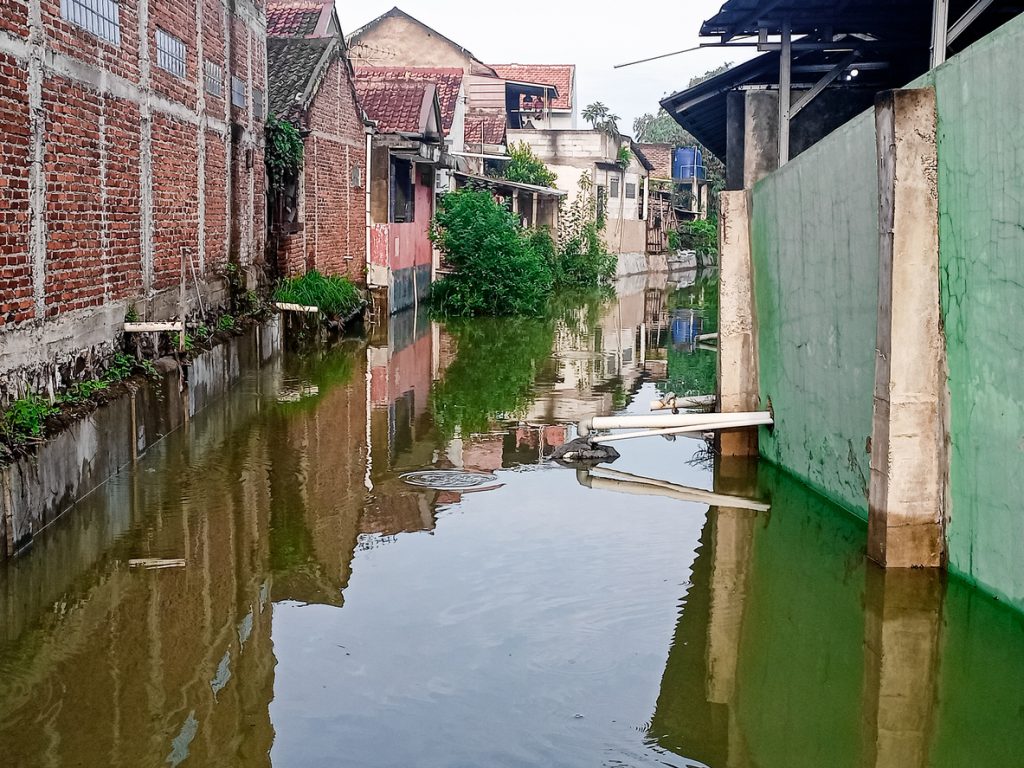
When flooding affects roads around Lagos Mainland, normal delivery and transport plans can stop working within minutes. Streets that were passable in the morning may become difficult by afternoon, while traffic diversions can delay vehicles far beyond the expected arrival time.
Mainland flood emergency logistics helps residents, businesses, relief teams, and property managers move essential items and coordinate transport when heavy rainfall disrupts regular operations.
The goal is not simply to send a vehicle. It is to understand which routes are still usable, what type of vehicle is suitable, how urgent the movement is, and whether the delivery can be completed without exposing people or goods to unnecessary risk.
What Usually Goes Wrong During Mainland Flooding
Flooding on the Mainland can affect movement around places such as Yaba, Surulere, Mushin, Maryland, Ikeja, Oshodi, Gbagada, and parts of Apapa.
The biggest problem is that road conditions can change quickly. A driver may leave Ikeja for Surulere using a familiar route, only to meet deep water, a stalled vehicle, or a long diversion.
Common emergency logistics requests include:
- Moving food, water, medication, or protective supplies
- Delivering generators, pumps, cables, or maintenance equipment
- Relocating documents, stock, or office equipment
- Coordinating staff transport after roads become flooded
- Picking up stranded travellers
- Moving parcels that cannot wait until normal operations resume
During these situations, accurate communication matters as much as the vehicle itself.
How Emergency Deliveries Should Be Planned
A flood-related delivery should begin with a proper route assessment. The pickup address, destination, urgency, item size, and road condition all need to be confirmed before dispatch.
Drivers should not be encouraged to enter water when the depth or road surface is unclear. A flooded road may hide open drains, potholes, damaged surfaces, or abandoned vehicles.
For urgent Mainland flood emergency logistics, a practical dispatch process should include:
- Confirming the exact pickup and delivery locations
- Checking whether the usual route is still accessible
- Identifying safer alternative roads
- Selecting a suitable vehicle for the cargo
- Maintaining contact with the driver and customer
- Adjusting the route when conditions change
A delivery that normally takes 45 minutes may require two hours or more during heavy rain. Customers should be given realistic expectations instead of promises that cannot be kept.
Choosing the Right Vehicle for the Situation
Not every emergency movement requires a large truck. The right option depends on the goods, road access, and urgency.
Motorcycles may help with small parcels where roads are congested, but they are not suitable for deep or fast-moving water. Cars and vans can carry more supplies, while larger vehicles may be needed for bulk relief items, business stock, furniture, or relocation equipment.
The vehicle must also be able to reach the actual pickup point. Sending a large van into a narrow residential street may create another delay if the road is blocked.
Travo.ng can coordinate courier services, delivery vehicles, cargo movement, vehicle hire, and emergency transport based on the situation.
What Businesses Should Prepare Before the Rain Gets Worse
Businesses operating on the Lagos Mainland should not wait until water enters their premises before making a logistics plan.
Keep important stock off the floor, package sensitive documents properly, and maintain an updated list of staff, drivers, suppliers, and alternative storage locations.
Businesses should also identify which items must be moved first. Computers, legal documents, medicines, perishable goods, and high-value stock usually require faster attention than items that can remain safely in place.
For offices, shops, pharmacies, restaurants, and warehouses, having a reliable logistics contact can reduce confusion when regular delivery arrangements fail.
Booking Support Through Travo.ng
Travo.ng helps customers arrange practical movement during difficult road conditions. Depending on the request, support may include urgent courier dispatch, cargo transport, vehicle hire, staff movement, relocation assistance, or delivery coordination.
When booking, provide clear information about the item, location, preferred timing, and any known flooding around the pickup or destination.
Early communication makes it easier to choose a safer route and suitable vehicle.
Flood conditions are unpredictable, but emergency movement does not have to be disorganised. With proper planning, realistic timing, and local route knowledge, essential goods and people can be moved more safely across Lagos Mainland.
