


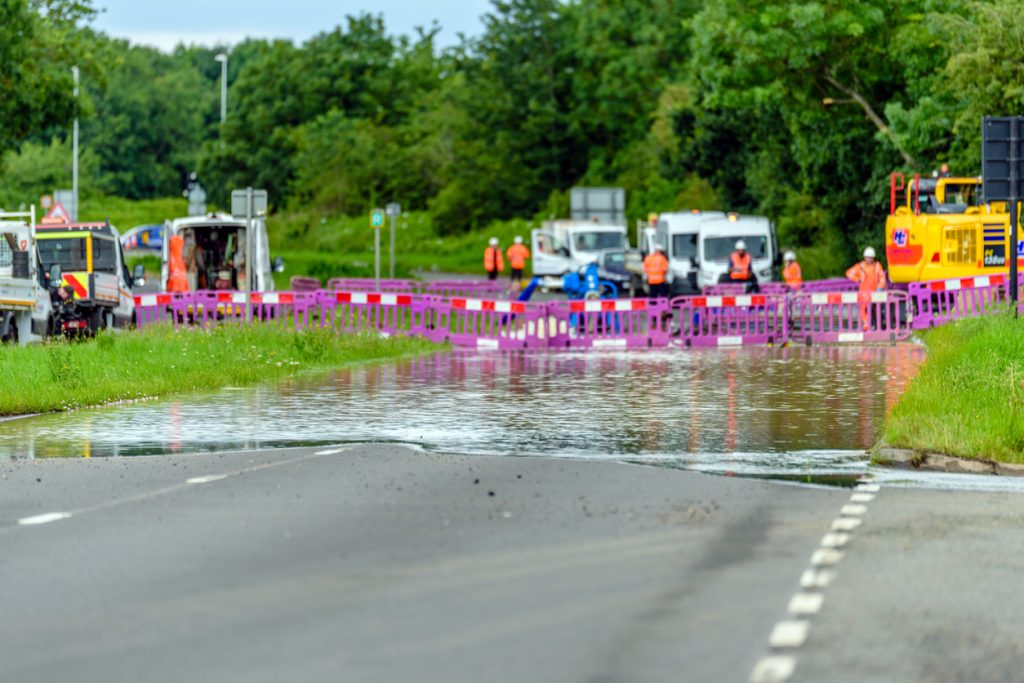
Flooding in Jigawa can disrupt entire communities within hours. Roads become difficult to use, homes may need to be evacuated, and normal delivery routes can stop working completely.
A practical Jigawa flood emergency response plan is therefore not only about rescuing people from immediate danger. It also involves transport coordination, movement of essential supplies, temporary relocation, communication with affected families, and finding workable routes when normal roads are no longer reliable.
For households, businesses, NGOs, and organisations operating around Dutse, Hadejia, Ringim, Gumel, Kafin Hausa, and other parts of the state, early coordination can make a major difference.
Move People Before Roads Become Harder to Use
One of the biggest mistakes during flooding is waiting too long before arranging transport.
A road that is still manageable in the morning may become difficult or unsafe later in the day after continued rainfall or rising water levels.
Families in low-lying areas should identify safer locations early and arrange transport before movement becomes urgent. This is particularly important when children, elderly people, or people carrying essential belongings are involved.
Where relocation is necessary, Travo.ng can help coordinate vehicles and transport arrangements for individuals, families, staff, or organised groups.
Plan Supply Deliveries Around Road Conditions
Flood response usually creates an immediate need for drinking water, food, medicine, clothing, bedding, and other essentials.
The challenge is getting those items to the right place.
A delivery that would normally take a few hours can take much longer when drivers must avoid flooded roads, damaged bridges, or heavily congested diversion routes.
Organisations sending relief supplies into affected Jigawa communities should confirm accessibility before dispatching vehicles. It is also useful to identify alternative drop-off points where local teams can collect items if direct access is not possible.
Travo.ng’s delivery and cargo logistics services can support this type of coordinated movement.
Keep Emergency Cargo Organised Before Dispatch
During a flood emergency, speed matters, but poorly organised cargo creates its own problems.
Relief items should be separated and clearly labelled before loading.
For example:
- Drinking water and packaged food
- Clothing and blankets
- Medical supplies
- Hygiene products
- Children’s items
- Temporary shelter materials
This makes unloading faster and reduces confusion when multiple communities or distribution points are involved.
Businesses donating supplies should also provide an accurate item count so receiving teams know what is arriving.
Jigawa Flood Emergency Response Needs Flexible Transport
Flood logistics rarely follow a perfect timetable.
A planned route may need to change suddenly because water levels rise, traffic is redirected, or authorities restrict access to a particular area.
That is why transport arrangements should include some flexibility.
A vehicle travelling from Kano toward Dutse or Hadejia, for example, may need to use a different approach route depending on local road conditions. Drivers should not be pressured to continue through unsafe floodwater simply because a delivery has a fixed arrival time.
Reliable emergency logistics should prioritise safe access over unrealistic schedules.
Businesses Should Protect Staff and Stock Early
Flood response is not limited to households.
Retailers, warehouses, farms, offices, and other businesses may need to move stock, equipment, documents, or staff before water reaches their location.
Waiting until a warehouse is already surrounded by floodwater can make relocation much more expensive and difficult.
Businesses in flood-prone locations should identify:
- Items that must be moved first
- A temporary storage location
- Vehicles needed for evacuation
- Staff responsible for coordinating movement
- Alternative delivery arrangements for customers
Travo.ng can support cargo movement, vehicle coordination, relocation logistics, and business delivery planning when normal operations are disrupted.
Do Not Treat Floodwater Like a Normal Road Hazard
Drivers should never assume that standing water is shallow enough to cross simply because another vehicle has attempted it.
Floodwater can hide damaged road surfaces, open drainage channels, erosion, or strong currents.
If a route looks unsafe, the better option is usually to stop, verify conditions, and use another route.
This is especially important when transporting passengers or relief supplies. Losing a vehicle or cargo during an attempted crossing can turn a logistics problem into a serious emergency.
Coordinate Emergency Movement With Travo.ng
Effective Jigawa flood emergency response depends on preparation, reliable information, and transport that can adapt to changing conditions.
Travo.ng can assist with vehicle hire, relocation support, courier deliveries, cargo movement, and transport coordination for individuals, businesses, and organisations responding to flood disruption.
Whether the immediate need is moving a family to safer accommodation, transporting relief materials from Kano into Jigawa, relocating business stock, or coordinating deliveries between accessible communities, arranging the movement early is usually safer and more practical than waiting until conditions become critical.
When flooding disrupts normal mobility, organised logistics helps people and essential supplies reach safer places with fewer avoidable delays.
