


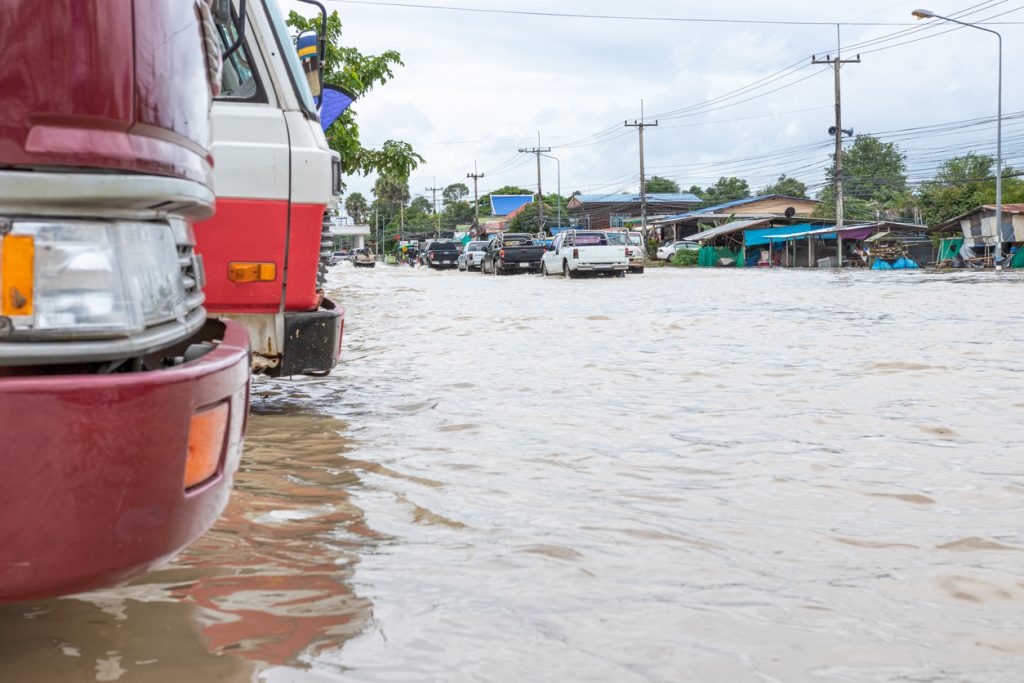
Flooding in Lagos can turn a normal business day into an urgent recovery operation within hours. Warehouses may become inaccessible, vehicles can be stranded, stock may need to be moved immediately, and insurers often require evidence before damaged goods are cleared or relocated.
This is where insurance flood response logistics in Lagos becomes important. The work goes beyond simply hiring a truck. Businesses, property managers, insurers, and affected households may need coordinated transport, cargo evacuation, temporary storage, documentation support, and delivery arrangements while roads are still difficult to navigate.
Travo.ng can support these movements by coordinating practical logistics services around Lagos when flood damage disrupts normal operations.
What Happens Immediately After a Lagos Flood
The first challenge is usually access. Areas such as Lekki, Victoria Island, Ajah, Ikoyi, Apapa, and parts of the Lagos Mainland can experience severe traffic disruption when heavy rainfall causes waterlogging.
Sending a vehicle without checking road conditions can create another problem. A truck that normally reaches a location in 45 minutes may spend several hours navigating diversions.
A proper response normally starts by confirming:
- What goods or equipment need to be moved
- Whether the location is currently accessible
- The quantity and condition of the cargo
- Where recovered items will be taken
- Whether inspection or insurance documentation must happen first
- What type of vehicle is suitable for the evacuation
This early coordination helps prevent unnecessary movement and protects evidence that may be needed for an insurance claim.
Moving Stock Without Complicating an Insurance Claim
One mistake businesses sometimes make is disposing of damaged inventory too quickly.
After flooding, an insurer or loss adjuster may need photographs, inventory records, invoices, serial numbers, or physical inspection of the affected goods. Removing everything before this process is completed can make a claim more difficult.
For commercial flood response, businesses should separate goods into practical categories such as salvageable stock, damaged stock awaiting assessment, equipment requiring repair, and items approved for disposal.
Once clearance is received, Travo.ng can coordinate cargo transport from affected premises to another warehouse, temporary storage location, repair facility, customer site, or disposal point depending on the situation.
Insurance Flood Response Logistics in Lagos Needs the Right Vehicle
Flood recovery jobs vary considerably.
A small retail shop may only require a van to move cartons and office equipment. A flooded warehouse could require several trucks, loaders, pallets, and coordinated trips.
Businesses should avoid choosing vehicles based only on the cheapest available rate. The vehicle must match the volume, weight, access conditions, and condition of the goods being moved.
For example, transporting soaked cartons in an open vehicle during another rainfall can create additional damage. Sensitive electronics, documents, medical supplies, or packaged consumer goods may need more controlled handling.
Travo.ng can help arrange suitable vehicles and transport coordination based on the recovery requirement.
Temporary Storage Can Prevent More Damage
Sometimes there is nowhere immediately available to take recovered goods.
A flooded warehouse may remain unusable for days while water is removed, electrical systems are inspected, and repairs are completed. In such cases, moving stock to another secure location may be more practical than repeatedly shifting goods around the affected premises.
Temporary warehousing and storage arrangements can also help businesses organise inventory while insurers determine what can be retained, repaired, sold, or written off.
This becomes particularly important for businesses with stock moving through Lagos commercial areas such as Apapa, Ikeja, Oshodi, Surulere, and the Lekki axis.
Plan for Lagos Traffic During Emergency Recovery
Flood response does not remove Lagos traffic from the equation.
Major rainfall can slow movement along the Lekki-Epe Expressway, Third Mainland Bridge approaches, Apapa corridors, and several mainland routes. Businesses should therefore avoid assuming that normal delivery estimates will still apply.
Where possible, urgent cargo should be prioritised first. Vehicles can then make planned trips rather than attempting to evacuate everything without a clear sequence.
For a business dealing with several affected locations, centralising transport coordination also makes it easier to know which vehicle is carrying which items and where each load is going.
How Travo.ng Can Support Flood Recovery Movements
Flood recovery requires quick decisions, but those decisions still need structure.
Travo.ng can assist businesses, insurers, property managers, and individuals with transport coordination, cargo movement, vehicle hire, courier services, delivery arrangements, temporary logistics support, and relocation of affected items.
When requesting insurance flood response logistics in Lagos, provide as much information as possible about the pickup location, condition of the premises, estimated cargo volume, destination, vehicle requirements, and whether insurance inspection has already taken place.
The sooner these details are available, the easier it becomes to organise a practical recovery movement and reduce further disruption after flooding.
