


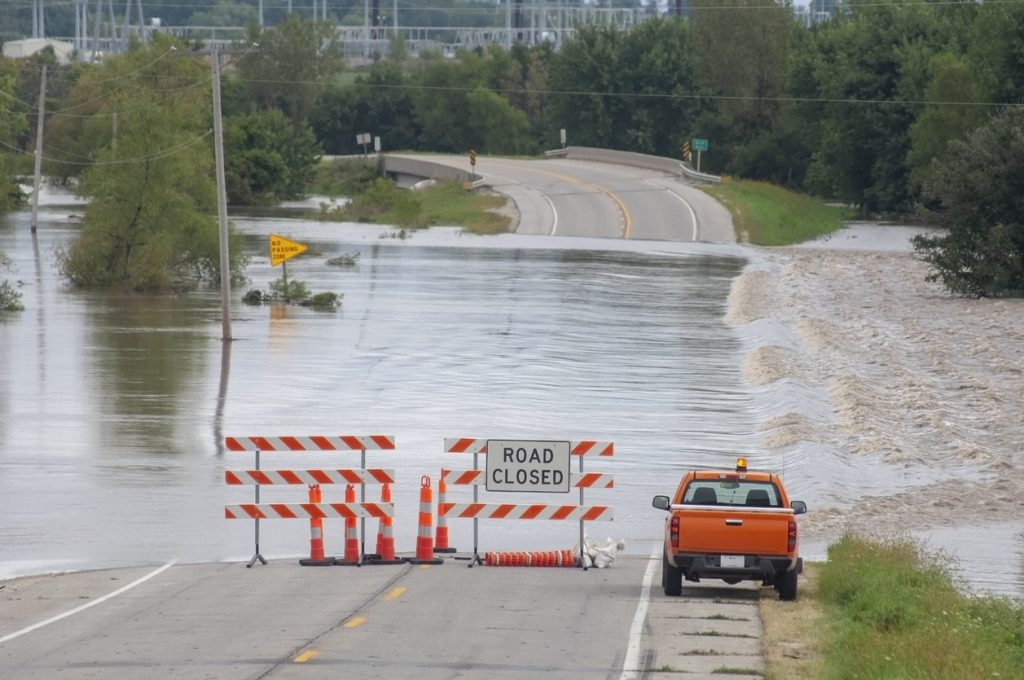
Flooding can develop quickly after hours of heavy rain, blocked drainage or rising river levels. A road that looked manageable in the morning may become dangerous by afternoon, leaving residents, workers and vehicles trapped.
Knowing how to evacuate a flooded area can help you move people and essential belongings before conditions become worse. The safest evacuation is usually the one planned early, not the one attempted after water has entered buildings or covered access roads.
Whether the flooding affects a home, estate, office, hotel or work site, decisions should be based on safety rather than the desire to protect every item.
Leave Before the Main Access Road Disappears
Many people delay evacuation because they expect the water to reduce quickly. This can be risky when rainfall continues or nearby drains and canals are already overflowing.
Begin making arrangements when:
- Water is rising steadily around the property
- Vehicles are struggling to use the main road
- Electricity has become unstable
- Local authorities advise residents to leave
- Children, elderly people or patients are present
- There is only one reliable exit route
- Nightfall is approaching
In flood-prone areas of Lekki, Ajah, Ikorodu, Port Harcourt, Yenagoa and parts of Delta State, access can change within a short period. Moving early gives you more vehicle and route options.
Switch Off Electricity Before Water Gets Higher
Where it is safe to do so, switch off electricity from the main supply before leaving. Do not touch electrical switches, appliances or cables while standing in water.
Disconnect generators and fuel containers carefully. Petrol, diesel and other chemicals should not be allowed to float around the property because they can create fire and contamination risks.
Take only essential items such as:
- Identification documents
- Mobile phones and chargers
- Medication
- Drinking water
- Basic clothing
- Cash and bank cards
- Baby supplies
- Important business records
Place documents, phones and medication inside waterproof bags or sealed plastic containers.
Choose Transport Based on the Water Level
A normal car should not be driven through deep or fast-moving floodwater. Drivers may be unable to see damaged road surfaces, open drains, potholes or submerged barriers.
If the road remains passable, a higher-clearance vehicle may be suitable for early evacuation. However, the driver should still avoid routes where the water depth and road condition are uncertain.
When road access is completely blocked, properly arranged boat transport may be needed. The vessel should be operated by someone familiar with the area and equipped with life jackets for every passenger.
Travo.ng can help coordinate vehicles, boat movement and onward transport when an evacuation requires more than one method of travel.
Move Vulnerable People First
Children, elderly people, pregnant women, people with disabilities and anyone requiring regular medication should be prioritised.
Do not overcrowd a vehicle or boat in an attempt to complete the evacuation in one trip. Overloading reduces safety and can make it difficult to respond if something goes wrong.
Assign one adult to keep track of children and another person to confirm that essential medication and documents have been packed. Pets should also be secured in suitable carriers or kept under control during movement.
Agree on a Safe Destination Before Leaving
Evacuation should not end at the nearest dry road. Confirm where everyone will stay before departure.
Possible destinations include:
- A relative’s home outside the affected area
- A hotel in a safer neighbourhood
- An official emergency shelter
- A company-provided temporary residence
- A serviced apartment for a family or team
Share the destination, departure time and transport details with a trusted contact. Keep phones charged and provide regular updates during the journey.
Travo.ng can assist with emergency transport coordination, hotel reservations and temporary relocation arrangements where families or business teams need a safe place to stay.
Avoid Walking Through Floodwater
Walking through floodwater should be avoided whenever possible. The water may hide open gutters, sharp objects, sewage, electrical hazards or strong currents.
If movement on foot is unavoidable, stay together and use a known route. Do not allow children to walk independently, and never enter moving water to recover property.
After reaching safety, wash any skin that came into contact with floodwater and change out of wet clothing. Seek medical attention for cuts, injuries or signs of illness.
Arrange Flood Evacuation Support With Travo.ng
Understanding how to evacuate a flooded area means recognising danger early, protecting vulnerable people and choosing transport that matches the actual conditions.
Travo.ng helps individuals, estates, companies and organisations arrange emergency vehicles, boat transport, hotel bookings, temporary relocation and essential deliveries across Nigeria.
When flooding threatens a property, early coordination can reduce panic, prevent people from becoming trapped and make the movement to a safer location more organised.
