


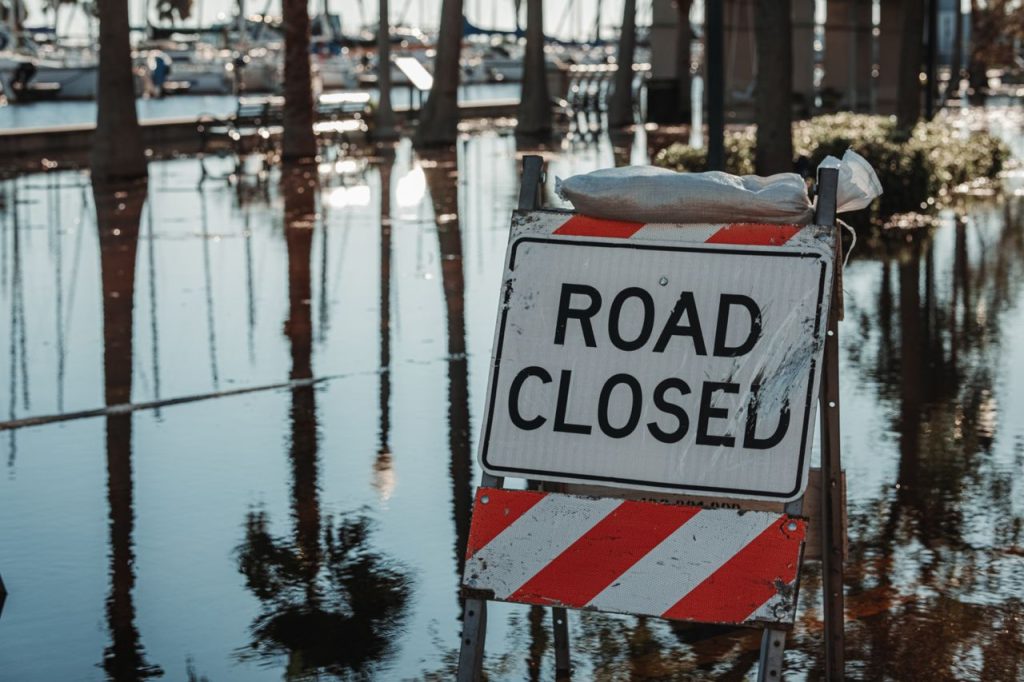
Heavy rainfall can turn an ordinary Lagos journey into a serious safety problem within minutes. Roads that looked passable earlier may become flooded before you return, particularly around low-lying areas, blocked drainage channels and busy routes where water cannot flow away quickly.
Understanding how to cross flooded roads safely Lagos is not simply about driving slowly through water. In many situations, the safest decision is not to cross at all. Floodwater can hide open drains, damaged road surfaces, stalled vehicles and strong currents capable of moving a car.
Check the Road Before Entering the Water
Never assume a flooded section is shallow because another vehicle crossed it. A high-clearance SUV, commercial bus or truck may pass through water that would damage a saloon car.
Stop at a safe distance and observe the road. Look for:
- Vehicles already stalled inside the water
- Water flowing rapidly across the road
- Submerged kerbs, road dividers or drainage openings
- Drivers making sudden turns to avoid hidden obstacles
- Water rising above vehicle wheel centres
If you cannot see the road surface or determine the depth, turn around. NEMA advises motorists and pedestrians to avoid moving through floodwater and to relocate to higher ground during flash flooding.
Do Not Follow Other Vehicles Too Closely
Some Lagos drivers enter flooded roads immediately behind buses or trucks, hoping to use the path created by the larger vehicle. This can be dangerous.
The vehicle ahead may stop suddenly, creating a wave that pushes water into your engine. Leave enough distance to maintain a steady speed without braking in the middle of the water.
Where several vehicles are competing to enter one passable section, wait until there is enough space. Flooded roads are not the place for aggressive overtaking or lane changes.
Use a Low Gear and Maintain Steady Movement
Only proceed when the water is clearly shallow, the road surface is known and there is no strong current.
Select a low gear before entering. Drive slowly and maintain steady engine power. Avoid accelerating sharply because this creates waves that may enter your vehicle or affect nearby road users.
Do not stop inside the water unless another vehicle blocks your path. Sudden braking can cause the engine to lose momentum, especially in vehicles with low air intakes.
Rainy conditions also reduce visibility, make roads slippery and increase stopping distance, so drivers should reduce speed even after leaving the flooded section.
Turn Back When the Situation Is Unclear
Missing an appointment is better than losing a vehicle or putting passengers at risk. Turn back when:
- Water is moving quickly
- The depth cannot be confirmed
- Smaller vehicles are already stranded
- The road has open drainage channels
- Rain is still falling heavily
- Traffic officers have restricted movement
Recent flood advisories have warned that intense rainfall can cause road closures, poor visibility, traffic disruption and temporary service outages in Lagos. Monitoring official weather information before travelling can help you avoid known trouble spots.
What to Do If Your Vehicle Stalls
Do not repeatedly restart a stalled engine while it is standing in deep water. Restarting may pull more water into the engine and increase repair costs.
Switch off the ignition, assess the water level and contact emergency or recovery support. Leave the vehicle only when it is safe and the water is not flowing strongly. Keep passengers away from open drains, electrical installations and fast-moving water.
The FRSC emergency number is 122 for road crashes and highway emergencies.
Plan Lagos Trips Around Heavy Rainfall
Before travelling during the rainy season, check your tyres, brakes, wipers, headlights and fuel level. Keep your phone charged and allow extra time for diversions.
For airport pickups, corporate movements, vehicle hire or journeys requiring better route coordination, Travo.ng can help arrange practical transport support. A properly coordinated trip makes it easier to adjust pickup times, communicate with drivers and avoid routes already affected by flooding.
The most important lesson is simple: when a flooded Lagos road looks uncertain, do not test it. Find a safer route, wait for the water to reduce or reschedule the journey.
