


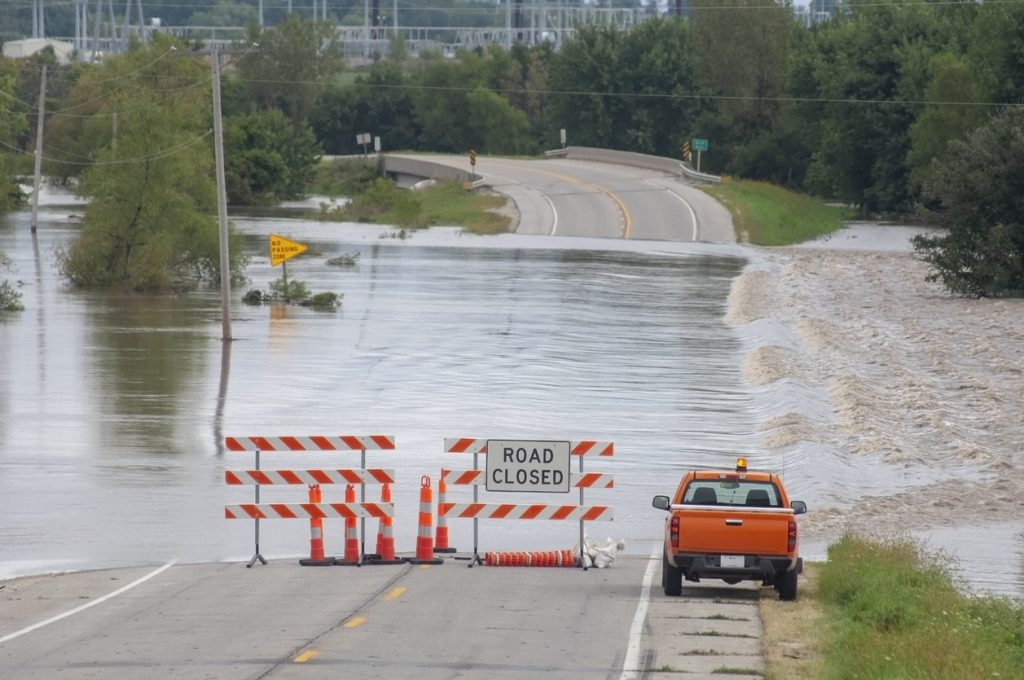
Knowing how to avoid flooded roads Lagos can save you from hours of traffic, vehicle damage, missed flights, and dangerous driving conditions. During heavy rainfall, roads that normally take 20 minutes can become completely impassable, especially when blocked drains, high tides, and poor visibility combine.
The safest approach is not simply to drive faster or follow other vehicles through standing water. It is to plan your route properly, monitor conditions, and be willing to delay or change your journey when necessary.
Check the Road Conditions Before Leaving Home
Flooding in Lagos can develop quickly. A road may be clear in the morning and covered with water after one hour of heavy rain.
Before leaving, check recent traffic reports, neighbourhood updates, and information from people already travelling along your intended route. Drivers, dispatch riders, estate security officers, and local business owners often know which nearby roads are beginning to flood.
For important trips such as airport transfers, interstate departures, business meetings, or hospital visits, begin checking conditions at least one hour before departure.
Avoid Roads That Regularly Collect Water
Certain low-lying roads and areas with poor drainage are more likely to become difficult during heavy rain. Parts of Lekki, Victoria Island, Ajah, Ikoyi, Surulere, Apapa, Marina, Oshodi, and the Lagos-Badagry corridor may experience serious water accumulation depending on the intensity of the rainfall.
This does not mean every road in these locations will be flooded. Conditions can vary from one street to another.
Drivers should pay extra attention around:
- Underpasses and low bridges
- Roads beside canals or lagoons
- Construction zones
- Streets with blocked drainage channels
- Areas where buses and cars are already turning back
- Roads where the kerbs and gutters are no longer visible
When the road surface cannot be seen clearly, it is difficult to judge the depth of the water or identify open manholes.
Do Not Follow Larger Vehicles Into Floodwater
One common mistake Lagos drivers make is assuming that a road is safe because a bus, truck, or SUV has crossed it.
Larger vehicles often have higher ground clearance and can handle deeper water than smaller cars. Their movement can also create waves that push water into nearby vehicles.
Even when another car crosses successfully, there may be potholes, damaged sections, or open drainage channels underneath the water. Turning back may be inconvenient, but it is usually cheaper than repairing a flooded engine or arranging emergency towing.
Use Alternative Routes Early
Waiting until you reach a flooded section before looking for another route can leave you trapped in traffic.
For example, a driver heading from Lekki to Ikeja may need to reconsider parts of the Lekki-Epe Expressway, Victoria Island, or Ikoyi route during severe rainfall. A traveller moving towards Murtala Muhammed International Airport may need extra time because flooding in one area can create traffic across several connecting roads.
Alternative routes may be longer in distance but faster and safer overall. Leave earlier, especially when travelling for a flight, event, or scheduled pickup.
Protect Your Vehicle During Rainy Season
Vehicle condition matters when driving through difficult weather.
Before the peak rainy season, check:
- Tyre tread and pressure
- Brake performance
- Windscreen wipers
- Headlights and hazard lights
- Battery condition
- Door and window seals
- Emergency triangle and towing equipment
Never drive through deep water if you are unsure about the vehicle’s ground clearance. Water entering the air intake can damage the engine within seconds.
What to Do If You Meet a Flooded Road
Slow down and assess the situation from a safe distance. Do not stop suddenly where another vehicle may hit you from behind.
Look for vehicles turning back, ask nearby drivers about the depth, and identify a safe place to reverse or make a U-turn.
If water begins rising around your vehicle, do not continue driving blindly. Switch off the engine if necessary and move to higher ground when it is safe to do so. Avoid walking through fast-moving water because drains, potholes, and exposed electrical cables may be hidden underneath.
Plan Important Trips With Professional Support
Heavy rain makes transport coordination more difficult, particularly for airport pickups, corporate travel, vehicle hire, deliveries, and interstate journeys.
Travo.ng can help arrange transport with drivers who understand Lagos routes and know when to adjust pickup times or use alternative roads. Travellers can also coordinate airport transfers, vehicle hire, courier services, and business logistics through one practical service provider.
Learning how to avoid flooded roads Lagos requires preparation, local knowledge, and good judgement. Check conditions before leaving, avoid taking unnecessary risks, and give yourself enough time to change direction when the weather affects your planned route.
