


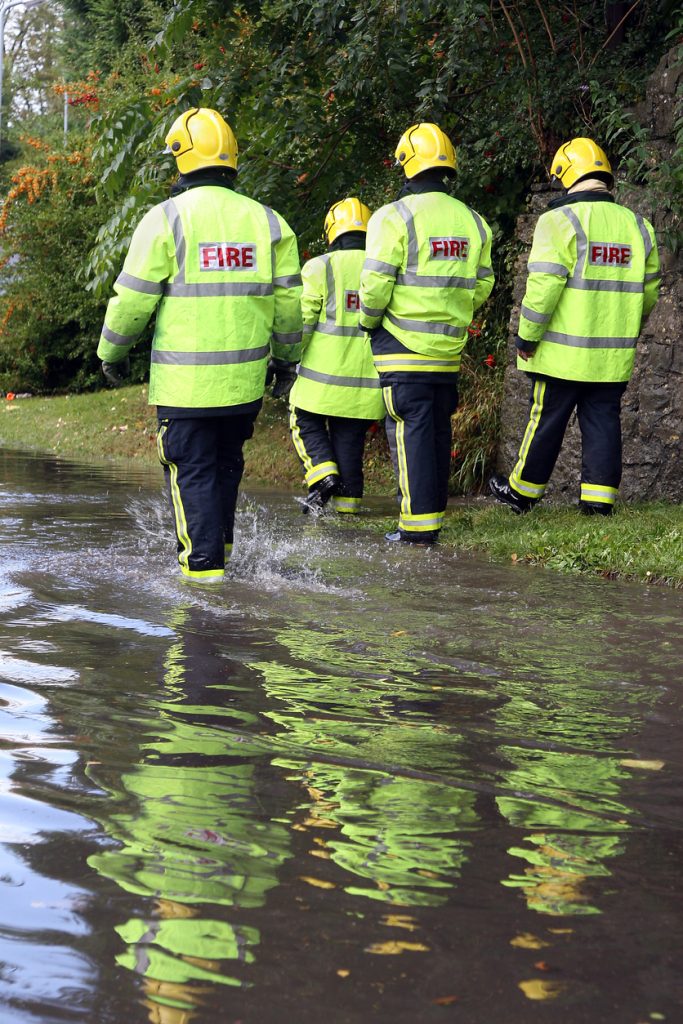
Moving relief materials across Lagos can become difficult very quickly. Heavy traffic, flooded roads, bridge congestion and long distances between mainland communities and riverine areas can turn a straightforward delivery into an all-day operation.
This is where Omi Eko relief delivery could become increasingly important. The Omi Eko initiative is part of Lagos State’s wider effort to modernise water transportation, expand ferry infrastructure and improve movement across the state’s waterways. As the network develops, better water connections could also support organisations that need alternative routes for moving essential supplies.
For businesses, NGOs and institutions planning urgent logistics, however, water transport is only one part of the job. The real challenge is coordinating pickup, cargo movement, terminal transfers and final delivery to the people who actually need the items.
Where Water Transport Can Make Relief Delivery Easier
Consider a relief operation moving cartons of food, bottled water, hygiene products or medical consumables from a warehouse around Apapa to communities accessible through Lagos waterways.
Sending every vehicle through road traffic may create unnecessary delays. Depending on the destination and available services, part of the movement could instead be organised through a suitable jetty or terminal before completing the final leg by road.
The Omi Eko project is intended to expand and modernise Lagos water transport, including ferry routes and terminals. Official project plans also include electric-powered ferries and improvements intended to strengthen connectivity across the city.
That makes waterways increasingly relevant when logistics teams are considering alternatives to already congested road corridors.
Omi Eko Relief Delivery Still Requires Proper Coordination
A common mistake in emergency logistics is focusing only on the longest part of the journey.
A complete delivery plan should answer practical questions such as:
- Where will the relief materials be collected?
- Which terminal or jetty is suitable for the shipment?
- How will goods reach the water transport point?
- Who receives them at the other end?
- Is another vehicle required for last-mile distribution?
- Are the goods properly packed for handling around water?
- What happens if weather or operational conditions affect movement?
For example, moving 100 cartons from Ikeja to a waterfront community is not simply a matter of putting the goods on a boat. A vehicle may first need to collect them in Ikeja, transport them to the appropriate departure point and coordinate loading. Another vehicle or local delivery arrangement may then be required after arrival.
That coordination is where professional logistics support becomes useful.
Planning Urgent Deliveries Around Lagos Traffic
Timing remains one of the biggest considerations.
A relief vehicle leaving a mainland warehouse during peak morning traffic may lose several hours before reaching a transfer point. Logistics teams should therefore plan loading, dispatch and terminal arrival as one connected operation rather than booking each stage separately.
Weather also matters. During periods of heavy rainfall, road access to some locations can deteriorate while water conditions may affect marine operations. Sensitive supplies should be protected with proper secondary packaging rather than relying only on ordinary cartons.
The Omi Eko project itself remains in an implementation and development phase. In July 2026, Lagos commenced the Project Management, Operations and Design consultancy phase, which is intended to guide the project’s technical and operational delivery.
Businesses should therefore confirm which water routes and services are actually available before planning a shipment around future Omi Eko infrastructure.
Combining Water Transport With Last-Mile Delivery
The most practical model for Omi Eko relief delivery is likely to be multimodal.
A typical movement could involve:
Warehouse pickup → road transport → jetty transfer → water movement → receiving terminal → last-mile delivery
Travo.ng can support the road and logistics components of such movements through cargo logistics, courier and delivery coordination, vehicle hire and business logistics support.
For larger relief operations, transport can also be arranged around multiple collection points or distribution locations instead of treating every delivery separately.
This is particularly useful for NGOs, companies running community programmes, religious organisations and institutions distributing food or emergency supplies across Lagos.
Building a Delivery Plan That Works Beyond the Jetty
Improved Lagos waterways could provide valuable alternatives for moving people and goods, particularly where road congestion makes conventional delivery inefficient. The wider Omi Eko programme is designed to improve connectivity and reduce travel pressure within Lagos.
But successful relief logistics will still depend on what happens before and after the water journey.
Travo.ng can help coordinate pickups, cargo transportation, vehicle requirements and last-mile delivery around the available transport network. Instead of managing different drivers and delivery stages independently, organisations can structure the movement as one practical logistics plan.
For urgent or scheduled relief distribution in Lagos, the best starting point is to provide the collection location, destination, type of goods, approximate quantity and required delivery date so the most workable transport arrangement can be planned.
