


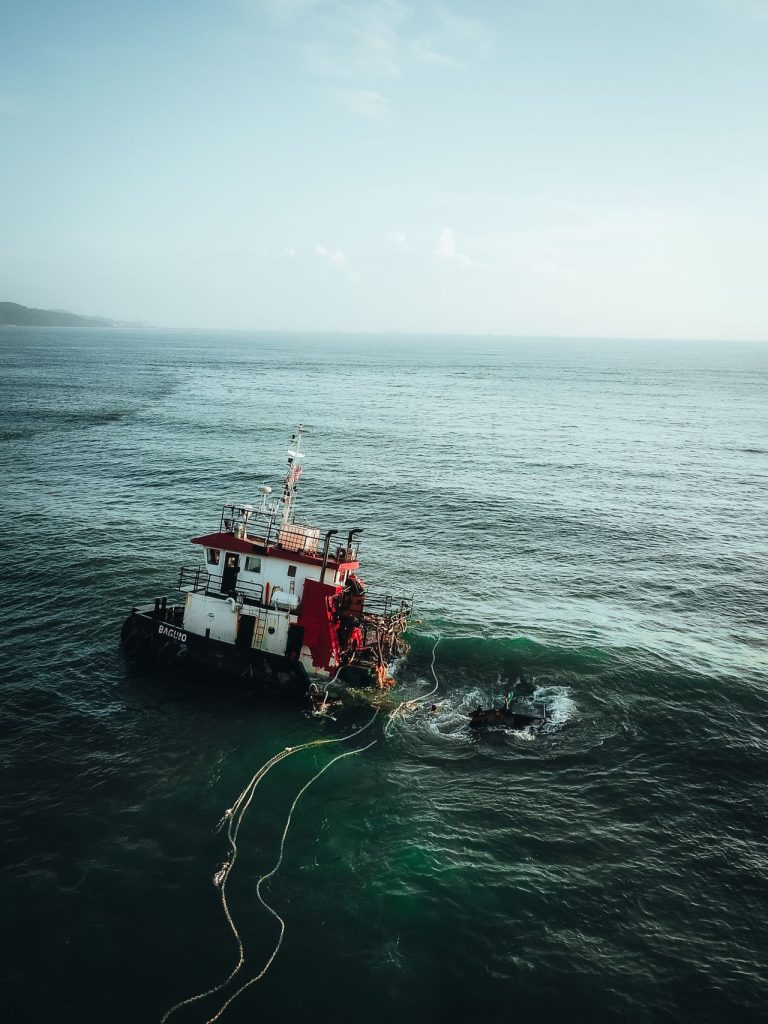
Marine emergencies can develop quickly and leave very little time for poor coordination. A boat collision, flooding incident, vessel breakdown, oil spill, missing passenger report or stranded crew can require several teams to move at once.
Effective marine disaster response in Nigeria depends on more than sending a boat to the scene. Responders may need passenger evacuation, medical transport, rescue equipment, fuel, food, communication devices and secure movement between the shoreline and the incident location.
In coastal and riverine areas, delayed transport can prevent trained personnel and essential supplies from reaching the people who need them. Travo.ng helps organisations coordinate emergency boat movement and supporting logistics across suitable Nigerian locations.
The First Information Responders Need
Emergency teams cannot plan the right movement without accurate details. Before dispatching a vessel, the coordinator needs to understand what has happened and what conditions are likely at the scene.
Important information includes:
- The incident’s exact or last known location
- The number of people involved
- Whether anyone is injured or missing
- The type and condition of the affected vessel
- Current weather and visibility
- The nearest accessible jetty
- Available communication with the crew
- Equipment or supplies required
Coordinates are more useful than a general description such as “near the waterfront.” Where coordinates are unavailable, nearby landmarks, photographs and live location sharing can help narrow the search area.
Why the Nearest Boat Is Not Always Suitable
During an emergency, there may be pressure to use whichever boat is available first. However, the wrong vessel can create further risk.
A small passenger boat may not be suitable for towing a disabled vessel or carrying heavy pumps and rescue equipment. A larger craft may be unable to enter narrow creeks or shallow channels.
The right option depends on:
- Distance from shore
- Water depth and current
- Passenger and cargo weight
- Required speed
- Weather conditions
- Whether towing is involved
- How long the response team may remain on the water
Passengers and responders should have life jackets, while the operator should understand the route and local navigation conditions. Overloading should never be accepted simply because the situation is urgent.
Coordinating Road and Water Transport Together
Many marine responses begin and end on land. Personnel, medical teams or equipment may first need to travel from an airport, hospital, warehouse or office to the nearest jetty.
For example, a response team arriving at Port Harcourt International Airport may require a vehicle to move equipment to a waterfront departure point. In Lagos, supplies may need to travel from Ikeja or Apapa to a jetty before continuing by boat.
If the road and water stages are booked separately without coordination, the boat may arrive before the equipment, or responders may reach the jetty with no vessel ready.
Travo.ng can support vehicle hire, boat transport, urgent courier movement, accommodation and other practical arrangements connected to the response.
Moving Emergency Supplies Without Damage
Marine incidents may require ropes, pumps, first-aid materials, drinking water, protective clothing, tools, fuel containers or communication devices.
These items should be packed for wet conditions. Medical supplies, documents and electronic equipment need sealed waterproof containers. Heavy equipment must be secured so it does not shift during the journey.
Fuel or hazardous materials require suitable containers and careful handling. They should not be placed beside passengers or unsecured cargo.
Every package should be labelled clearly, especially when several teams are operating from the same jetty.
Communication Gaps Can Delay the Entire Operation
Poor communication is one of the most common causes of emergency transport delays. Phone networks may be weak offshore or in remote riverine communities.
The response plan should include:
- A primary contact at the incident scene
- A shore-based operations contact
- The boat operator’s number
- Scheduled status updates
- An alternative communication method
- A clear escalation procedure
Everyone involved should know who has authority to approve route changes, additional trips or emergency spending. This prevents confusion when conditions change.
Conditions That Can Affect Response Time
Travel time may be influenced by heavy rain, poor visibility, rough water, debris, shallow channels and restricted night navigation.
Response teams should also expect loading delays when equipment is bulky or the jetty has limited access. During widespread flooding or major offshore incidents, suitable vessels may be in high demand.
Providing accurate information early allows the transport coordinator to arrange an appropriate boat rather than changing vessels after mobilisation has already begun.
Arrange Marine Disaster Response Logistics With Travo.ng
Reliable marine disaster response in Nigeria requires fast decisions, suitable vessels and close coordination between water and road transport.
Travo.ng helps businesses, institutions, relief organisations and emergency teams arrange boat transport, personnel movement, vehicle hire and urgent supply delivery. Each request can be planned around the incident location, passenger count, cargo requirements and operating conditions.
With clear information and properly coordinated logistics, responders can reach affected areas faster while reducing unnecessary risk to passengers, crew and emergency personnel.
