


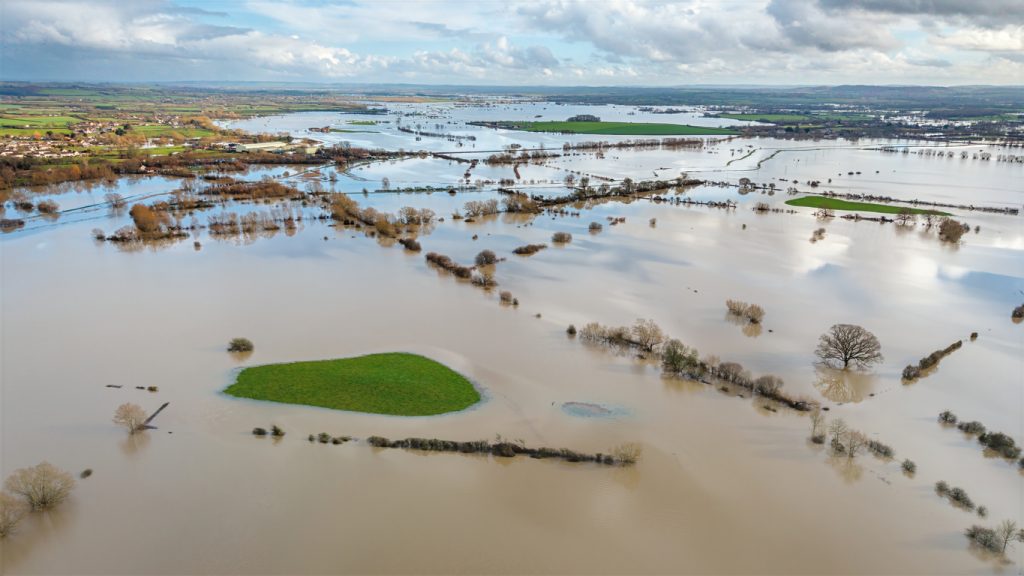
Flooding does not always happen during convenient working hours. Heavy rainfall can block roads at night, trap vehicles in the early morning or prevent residents from leaving homes during weekends and public holidays.
Access to 24-hour flood response Nigeria support can help individuals, estates, businesses and organisations arrange emergency transport when normal routes become unsafe. Depending on the situation, this may involve vehicle recovery, boat movement, urgent delivery of supplies or transport to a safer location.
The first priority should always be protecting people. Vehicles, goods and equipment can be handled after passengers and residents have moved away from immediate danger.
What to Do When Floodwater Starts Rising
Do not wait until water enters the engine or building before requesting help. Flood conditions can worsen quickly, particularly where drainage channels are blocked or rainfall continues for several hours.
Move children, elderly people and anyone with limited mobility to a higher and safer area. Switch off electricity where it can be done safely, and keep important documents, medicines and phones inside waterproof bags.
When contacting a response coordinator, provide:
- Your exact location and nearest landmark
- The number of people requiring assistance
- The approximate depth of the water
- Whether anyone needs medical attention
- The type of vehicle or property affected
- Photos or videos of the surrounding area
- A working contact number
Accurate information helps the team determine whether a tow truck, high-clearance vehicle, boat or another transport option is suitable.
Why Driving Through Floodwater Can Make Things Worse
Many drivers assume they can cross a flooded road because another vehicle has passed successfully. This is risky because the road surface, vehicle height and water current may be different.
Floodwater can hide potholes, open drains, damaged bridges and washed-away road sections. Water entering the engine air intake can also cause severe mechanical damage.
If a vehicle stalls, do not repeatedly restart it. Moving water can also shift the vehicle or make it difficult for occupants to open the doors.
In flood-prone parts of Lagos such as Lekki, Ajah, Ikorodu and some mainland communities, it is often safer to stop at a dry location and request professional assistance rather than forcing the vehicle forward.
Different Emergencies Need Different Transport
Flood response is not limited to rescuing cars. Residents and businesses may need several services at the same time.
Common requests include:
- Moving people from flooded homes
- Recovering stalled or submerged vehicles
- Delivering food, drinking water or medicine
- Transporting generators and pumping equipment
- Moving staff away from inaccessible offices
- Delivering protective clothing and emergency tools
- Using boats where roads are completely blocked
A flooded estate may require a boat to move residents to an accessible road, followed by a bus or car to take them to a hotel, family home or temporary shelter.
Travo.ng can help coordinate these connected stages rather than treating each part of the journey as a separate arrangement.
How Vehicle Recovery Is Planned
Before dispatching a recovery truck, the operator needs to know the vehicle type, condition and exact position.
A small saloon car partly stuck in shallow water may require different equipment from an SUV submerged near a drainage channel. Larger commercial vehicles may need heavy-duty towing or lifting support.
The recovery team should confirm:
- Whether passengers are still inside
- The vehicle’s make and approximate weight
- Whether the wheels can move
- The direction of the water current
- The condition of the access road
- A safe destination for the recovered vehicle
The cheapest towing option is not always the safest. Poor recovery techniques can damage the suspension, bumper, transmission or underbody.
Emergency Deliveries During Flooding
Homes and businesses cut off by water may require urgent supplies before the road becomes accessible again. These can include medicine, food, clean water, fuel containers, rainwear or small pumping equipment.
Items should be packed in sealed, waterproof bags or containers. Electronics, documents and medical supplies need additional protection.
Where road access ends before the destination, a vehicle may bring the items to a safe meeting point before they are transferred to a suitable boat. Clear coordination between both transport stages helps prevent delays and lost packages.
Arrange Flood Response Through Travo.ng
Reliable 24-hour flood response Nigeria support depends on fast communication, suitable equipment and realistic route assessment.
Travo.ng helps coordinate emergency vehicle recovery, boat transport, urgent deliveries, vehicle hire and onward movement across affected locations. Individuals, businesses, estates and organisations can request support based on the number of people involved, the type of cargo and the actual flood conditions.
Early reporting makes it easier to plan a safer response. When water levels are rising, share clear location details, avoid unnecessary movement and allow trained operators to determine the most practical way to reach you.
