


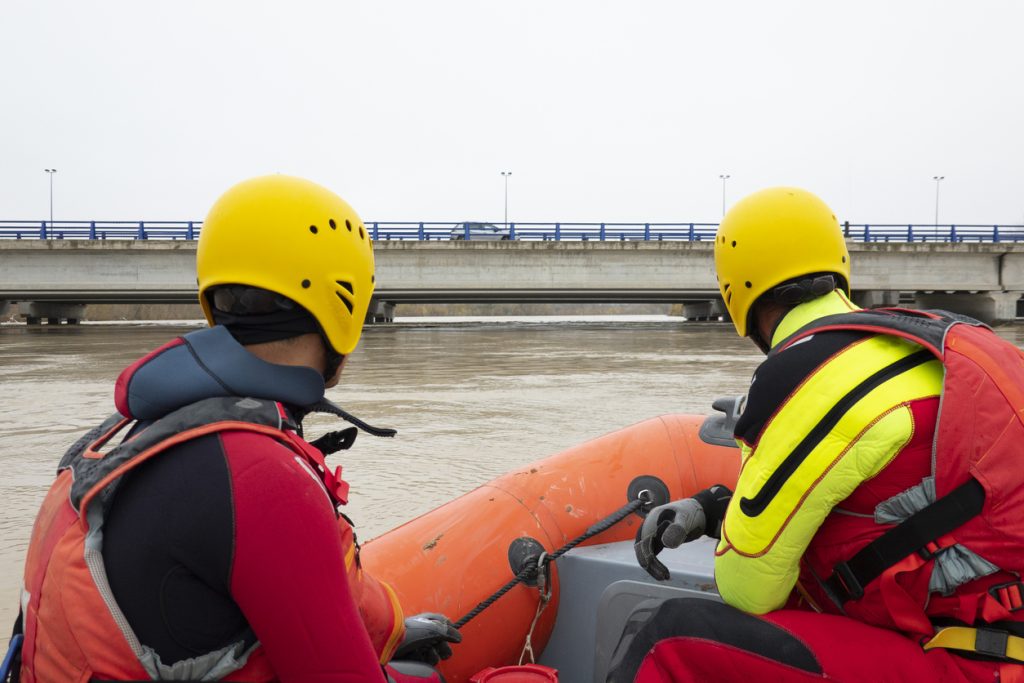
Heavy rainfall can turn normal movement in Lagos into an emergency within minutes. Roads may become impassable, vehicles can break down in deep water, and homes or business premises may need urgent evacuation support.
Reliable flood emergency response in Lagos is not only about reacting after water enters a property. It also involves coordinating transport, moving people to safer locations, protecting essential goods and keeping communication clear while road conditions change.
For families, companies, schools and logistics operators, a practical response plan can reduce panic and prevent avoidable losses.
What Usually Goes Wrong During Serious Flooding
Flood emergencies in Lagos often become more difficult because people wait too long before arranging help. By the time water rises around a street or estate, regular vehicles may no longer be able to enter safely.
Areas around Lekki, Ajah, Victoria Island, Ikoyi, Surulere and parts of the mainland can experience severe drainage problems during prolonged rainfall. Even routes that were passable in the morning may become blocked later in the day.
Common problems include:
- Vehicles becoming stranded in flooded roads
- Staff being unable to leave offices
- Children needing safe pickup from schools
- Water entering warehouses or ground-floor shops
- Important documents and stock requiring urgent movement
- Delivery drivers being trapped on unfamiliar routes
- Residents needing temporary relocation
The first priority should always be personal safety. People should avoid walking or driving through water when the depth and road condition are unclear.
How to Request Emergency Transport Properly
When contacting a response or transport provider, give clear information immediately. Vague messages such as “the whole area is flooded” may slow down the response because the team still needs to understand the exact situation.
Provide:
- Your precise location and nearest landmark
- The number of people requiring assistance
- Whether children, elderly people or injured persons are present
- The estimated water level around the property
- Whether the access road is still passable
- The type and quantity of items that must be moved
- A safe destination for evacuation
Photos or short videos can help the response team assess whether a standard vehicle, high-clearance vehicle or another arrangement may be required.
Travo.ng can assist with urgent transport coordination, vehicle hire, pickup arrangements and delivery support where road access and safety conditions allow.
Moving Goods Before Water Causes More Damage
Businesses often lose stock because there is no plan for moving goods quickly. Shops, pharmacies, food distributors and small warehouses located on low-lying streets are especially vulnerable.
If weather conditions are worsening, sensitive items should be moved early rather than waiting for water to enter the building. These may include:
- Electronics and office equipment
- Medical supplies
- Packaged food
- Business records
- Clothing and retail stock
- Small machinery
- Customer parcels awaiting delivery
Goods should be packed in waterproof containers or heavy-duty bags where possible. Items should also be labelled clearly so they can be counted and checked at the temporary storage location.
Emergency cargo movement works better when the pickup and receiving points are confirmed before the vehicle arrives.
Why Route Planning Matters During Lagos Flooding
The shortest route is not always the safest route during heavy rain. A familiar road may be blocked by stalled vehicles, drainage overflow or damaged sections hidden under water.
Drivers need current information from people close to the area. Estate security staff, local residents and drivers already on nearby routes can provide useful updates about access conditions.
A pickup from Lekki to Ikeja, for example, may require changing direction several times depending on flooding around major junctions. Extra fuel, longer travel time and backup routes should be considered before departure.
Customers should also avoid pressuring drivers to enter roads they believe are unsafe. A delayed pickup is better than creating another emergency.
Prepare Before the Next Heavy Rainfall
Flood response becomes faster when basic decisions have already been made. Families and businesses should identify safe meeting points, emergency contacts and temporary storage options before the rainy season reaches its peak.
Useful preparations include:
- Keeping identification and important documents in waterproof folders
- Charging phones and power banks
- Saving emergency transport contacts
- Moving valuable items above floor level
- Checking drainage around the property
- Identifying alternative exit routes
- Keeping essential medication accessible
Companies should also maintain updated staff contact lists and assign one person to coordinate emergency movement.
Arrange Flood Emergency Support Through Travo.ng
Effective flood emergency response in Lagos requires quick communication, realistic route planning and suitable transport. Trying to improvise after roads become blocked can increase delays and expose people to unnecessary danger.
Travo.ng helps individuals and businesses coordinate emergency pickups, vehicle hire, urgent deliveries, temporary relocation transport and cargo movement across Lagos.
By requesting help early and providing accurate information, customers give response teams a better chance of reaching them safely and protecting people, stock and essential belongings during severe flooding.
