


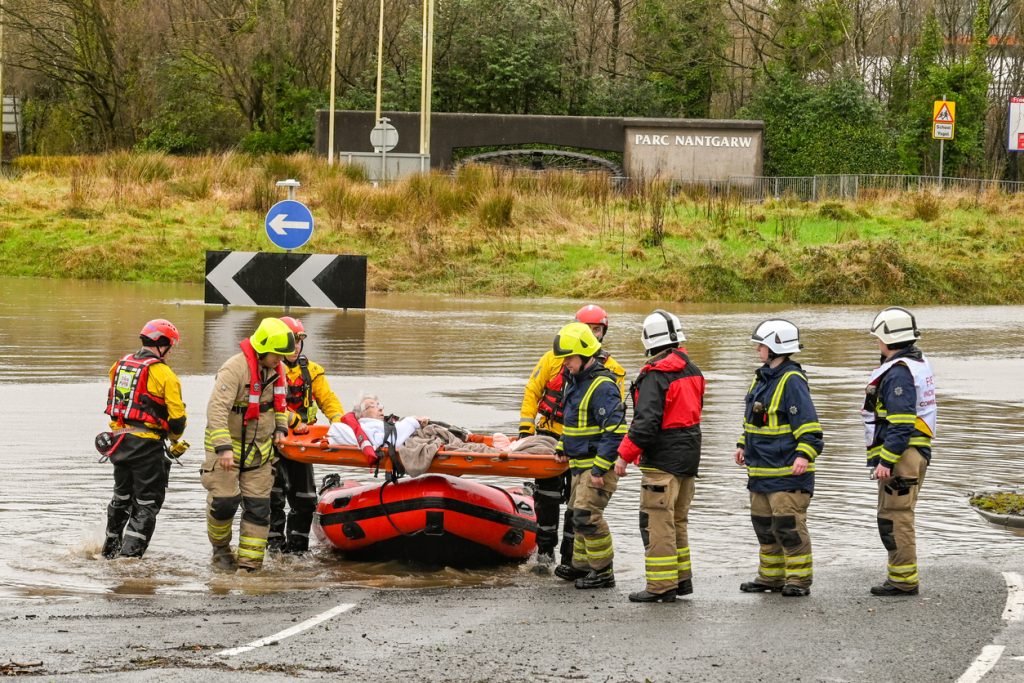
When floodwater enters a home, warehouse, office, construction site or underground facility, every hour matters. Water can damage electrical systems, weaken stored goods, interrupt business operations and leave a property unsafe long after the rain stops.
Professional emergency dewatering Lagos services help remove unwanted water using pumps, hoses, tankers and other drainage equipment. The work may involve a flooded basement in Victoria Island, a construction excavation in Lekki or a warehouse affected by poor drainage around Apapa.
Removing the water is only one part of the job. The team must also identify a safe discharge point, protect electrical installations and arrange suitable access for equipment and service vehicles.
The First Checks to Make Before Pumping Starts
People often rush to place a pump inside the flooded area without confirming where the water will go. This can create another problem if the discharged water flows into a neighbouring property or returns through the same drainage channel.
Before dewatering begins, check:
- The estimated depth of the water
- The size of the affected area
- Whether electricity has been isolated
- The likely source of the flooding
- The nearest safe drainage or discharge point
- Whether the site contains sewage, fuel or chemicals
- How close a truck or pump can get to the property
Clear information helps the service team select the right pump and estimate how long the work may take.
Different Flooded Sites Need Different Equipment
A small residential compound may require a portable water pump and several lengths of hose. A flooded basement, industrial yard or large construction pit may need high-capacity pumps, suction equipment or multiple machines working together.
The type of water also matters. Clean rainwater is easier to handle than water mixed with mud, waste or debris. A normal pump may become blocked if the floodwater contains sand, leaves, plastic or construction materials.
For example, a building site along the Lekki–Epe corridor may collect muddy water after several days of rain. Using an undersized pump can lead to repeated blockages and slow removal. A more powerful pump designed for dirty water may complete the work more efficiently.
Travo.ng can help coordinate the movement of pumps, hoses, generators, tankers and field personnel to affected locations.
Access Problems Can Delay Emergency Dewatering in Lagos
Lagos traffic and flooded roads can make mobilisation difficult, especially during heavy rainfall. A service vehicle coming from Ikeja may take much longer than expected to reach Ajah, Ikoyi or Lagos Island when major roads are congested.
Some properties also have narrow entrances, underground parking areas or estate access restrictions. Large equipment may not fit through the gate, meaning smaller pumps must be carried in manually.
When requesting help, provide:
- The full address and nearest landmark
- Current photos or videos of the flooding
- The property type
- Gate and driveway dimensions
- The estimated water depth
- The location of available power
- Any estate or security access requirements
This reduces delays and prevents the team from arriving with unsuitable equipment.
What Emergency Dewatering Lagos May Cost
The cost depends on the water volume, pump capacity, site accessibility, labour requirements and disposal arrangements. A shallow residential flood will generally cost less than pumping a large warehouse, basement or construction excavation.
Charges may also increase when the work requires:
- Multiple pumps
- Generator-powered equipment
- Long discharge hoses
- Night mobilisation
- Water tanker evacuation
- Additional labour
- Extended pumping time
The lowest quote is not always the most economical option. A small pump may appear cheaper but take many hours to complete work that a high-capacity unit could finish much faster.
Request a detailed quote based on photos, measurements and the actual site condition.
Safety Steps That Should Not Be Ignored
Electricity should be switched off in any area where water has reached sockets, cables or powered machinery. Do not enter deep or contaminated floodwater without protective clothing.
Pumps powered by petrol or diesel must be operated in well-ventilated outdoor areas because their exhaust fumes can be dangerous. Hoses should also be positioned so they do not create trip hazards or block vehicle access.
After pumping, the property may still require cleaning, drying and inspection. Walls, floors, stored goods and electrical systems should be checked before normal activities resume.
Arrange Emergency Dewatering With Travo.ng
Reliable emergency dewatering Lagos support requires quick mobilisation, suitable pumps and a practical plan for removing and discharging the water safely.
Travo.ng helps homes, businesses, estates and construction teams arrange equipment transport, vehicle hire, generator delivery and other emergency logistics across Lagos. Where pumps or specialist equipment must be collected from different locations, the movement can be coordinated around site access and urgency.
Acting early can reduce property damage, shorten business disruption and make the affected area safer to inspect and restore.
