


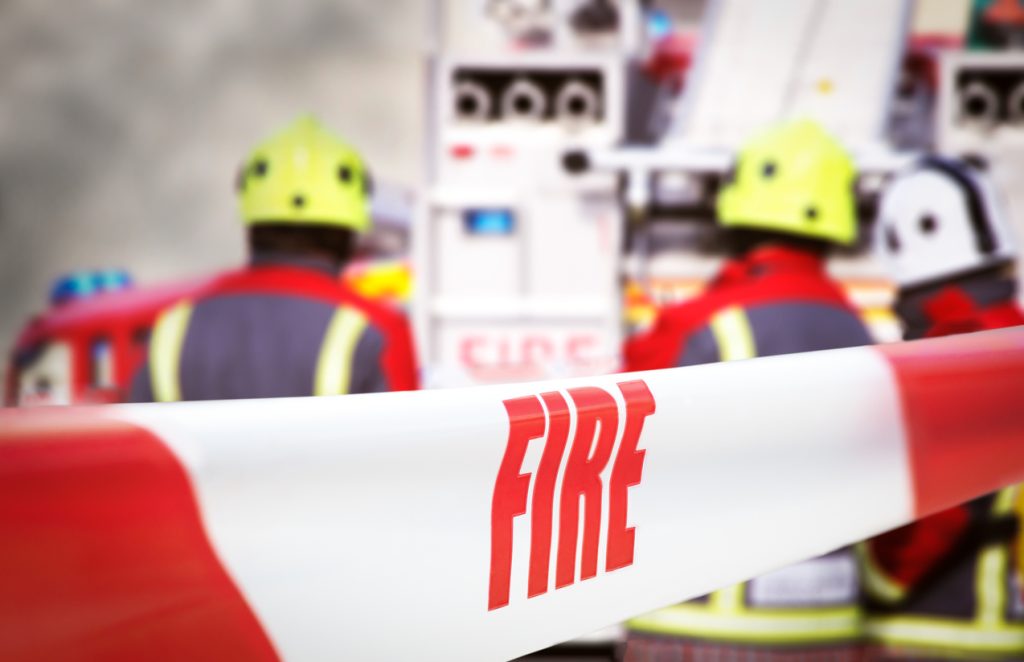
When a major fire affects a market, warehouse, residential area, or business facility, the immediate concern is usually safety. But once emergency responders begin controlling the situation, another problem starts almost immediately: moving people, supplies, equipment, and essential goods to where they are needed.
This is where fire disaster relief logistics in Nigeria becomes critical.
A relief operation may involve moving water, food, mattresses, medical supplies, protective equipment, temporary shelter materials, generators, or replacement business stock. The challenge is that these items often need to move quickly through difficult traffic conditions, damaged access roads, crowded neighbourhoods, or busy commercial districts.
Reliable transport coordination can make the difference between relief supplies sitting in a warehouse and actually reaching affected people.
What Usually Needs to Move After a Serious Fire
The logistics requirements depend on the scale and location of the incident.
A warehouse fire in Ikeja may require trucks for salvaged goods and replacement inventory. A market fire in Lagos Island may involve smaller vehicles because large trucks cannot easily reach every affected section. A residential fire in Abuja may require temporary relocation support for several families.
Typical movements include:
- Emergency food and bottled water
- Mattresses, clothing, blankets, and household supplies
- Medical and first-aid materials
- Generators and temporary power equipment
- Building materials for urgent repairs
- Business inventory and recovered goods
- Relief donations collected from different locations
- Transport for volunteers and support teams
Organisations responding to disasters should identify what is moving, where it is coming from, the destination, vehicle requirements, and how urgently each delivery is needed.
Coordinating Fire Disaster Relief Logistics in Nigeria
One common mistake is sending every available vehicle at once without proper coordination.
In Lagos, for example, a truck carrying relief materials from a warehouse in Isolo to an incident around Lagos Island can lose several hours if departure happens during heavy traffic. Smaller vans may sometimes complete urgent movements faster, while larger trucks can follow later with bulk supplies.
For interstate support, timing becomes even more important.
Relief goods travelling from Lagos to Abuja may require roughly 10 to 14 hours by road depending on traffic, road conditions, stops, security considerations, and the type of vehicle being used. Deliveries to cities such as Benin, Ibadan, Ilorin, or Port Harcourt require similar route planning rather than assuming every shipment can arrive immediately.
Travo.ng can support organisations with transport coordination, cargo logistics, courier services, and vehicle arrangements based on the size and urgency of the movement.
Keep Relief Materials Organised Before Dispatch
Fast movement does not mean careless loading.
Every vehicle should ideally have a simple manifest showing what was loaded and where it is going. If one truck contains water, roofing sheets, mattresses, medical supplies, and donated clothing without proper identification, unloading can quickly become chaotic.
For larger relief operations, it helps to separate deliveries into categories such as:
- Immediate emergency supplies
- Food and household relief items
- Medical materials
- Reconstruction equipment
- Business recovery stock
This makes dispatching easier and reduces the chance of essential supplies being delayed behind lower-priority goods.
Businesses May Need Emergency Cargo Support Too
Fire incidents do not affect only households.
When a shop, warehouse, restaurant, hotel, or production facility is affected, companies may need to move surviving stock quickly before further damage occurs.
A distributor whose Lagos warehouse is partially affected, for example, may need temporary transport to move usable inventory to another storage location in Ogun State. A retailer may need replacement stock brought urgently from another branch.
Travo.ng can coordinate cargo transport and business logistics for these types of emergency movements, including vehicle hire and interstate transport where necessary.
Temporary Relocation Can Become Part of the Response
Some fire incidents leave homes or commercial premises unusable.
Families may need transport to temporary accommodation, while companies may need staff movement, hotel reservations, or temporary operational support.
For larger organisations managing emergency response teams, Travo.ng can also assist with hotel bookings, airport pickups, vehicle hire, and coordinated transportation for personnel arriving from other states.
The key is to treat transport, accommodation, and cargo movement as one connected operation instead of organising each requirement separately.
Plan for Access Problems Before Vehicles Arrive
Drivers should receive accurate destination information before dispatch.
In crowded areas such as major Lagos markets, the nearest main road may be the practical unloading point because a truck cannot enter the affected street. From there, smaller vehicles may be required for the final movement.
Before sending relief materials, confirm:
- Exact delivery location
- Contact person on the ground
- Vehicle access restrictions
- Expected unloading arrangements
- Quantity and type of goods
- Whether smaller vehicles will be required
Fire emergencies are already difficult enough without avoidable transport delays.
For organisations, businesses, NGOs, and individuals managing fire disaster relief logistics in Nigeria, Travo.ng provides practical support for cargo movement, courier deliveries, vehicle hire, transport coordination, relocation logistics, airport pickups, and accommodation arrangements.
When the priority is getting the right people and supplies to the right place quickly, organised logistics helps the entire relief effort work more effectively.
