


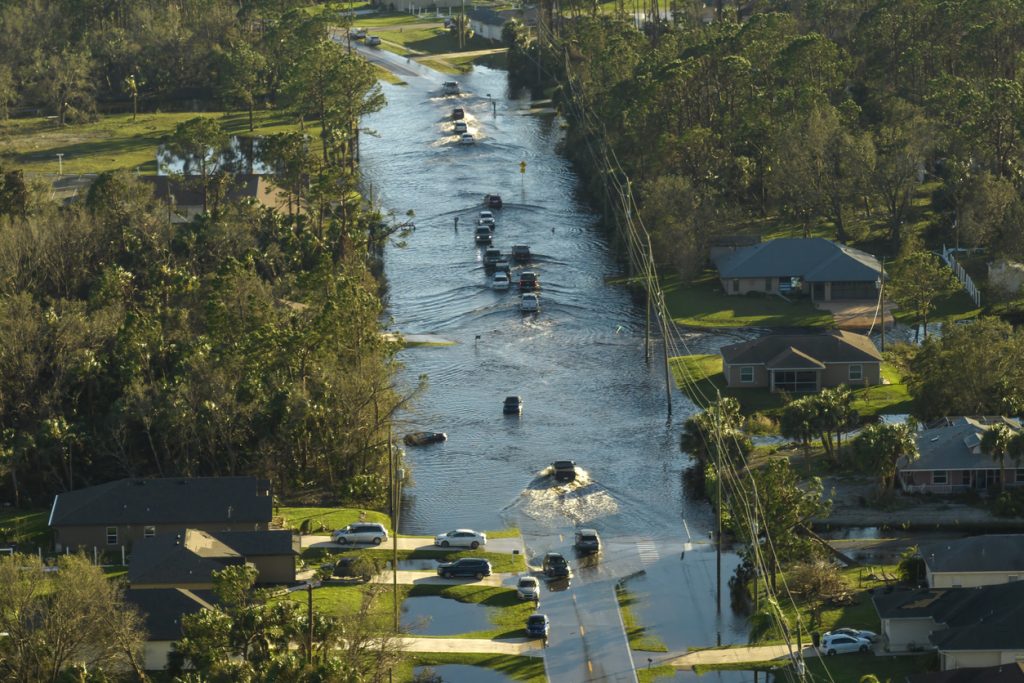
An estate flood response plan in Lagos should not begin when water is already entering the compound. For estates in flood-prone parts of Lekki, Ajah, Victoria Island, Ikoyi, Ikorodu and other low-lying communities, preparation before heavy rainfall can make the difference between an organised response and hours of confusion.
Flooding can quickly affect estate gates, internal roads, parked vehicles, generators, deliveries and residents who need to leave or enter the community. A practical response plan therefore needs to cover more than drainage. It should explain how people, vehicles, supplies and emergency support will move when normal access becomes difficult.
Identify the Roads That Become Difficult First
Estate managers should know which access points usually collect water after prolonged rainfall.
A main gate may still be passable while an adjoining street is already flooded. In some Lagos neighbourhoods, a journey that normally takes ten minutes can become impossible because connecting roads are submerged or traffic has built up around flooded junctions.
Before the rainy season becomes intense, identify:
- The safest entrance and exit routes
- Alternative roads residents can use
- Higher areas where vehicles can temporarily be moved
- Locations vulnerable to blocked drains
- Residents who may need additional evacuation assistance
- Nearby locations where emergency supplies can be received
This information should be shared with security personnel and facility managers rather than kept only in an office document.
Move Vehicles Before Water Reaches Critical Levels
One common mistake is waiting until vehicles are already surrounded by water.
An effective estate flood response plan in Lagos should specify when vehicle relocation begins. If rainfall continues for several hours and water is rising around internal roads, residents should receive instructions early enough to move cars to safer ground.
Estates may also need larger vehicles for moving people or essential items. Travo.ng can assist with vehicle hire and transport coordination where organised movement is required.
For larger residential communities, arranging transport before a severe weather situation develops is usually easier than searching for suitable vehicles after surrounding roads are already congested.
Prepare for Emergency Deliveries
Flooding can interrupt normal household deliveries at exactly the time residents need supplies most.
An estate may suddenly need drinking water, food, fuel, cleaning materials, pumping equipment, medical supplies or replacement electrical components.
Instead of allowing multiple delivery riders to attempt flooded roads individually, estate management can create one controlled receiving point on the safest accessible side of the community.
Travo.ng’s courier, delivery and business logistics support can help coordinate urgent movement of supplies where road conditions permit.
For example, if an estate in Ajah cannot receive normal doorstep deliveries, essential items may be consolidated and transported to an accessible collection point for organised distribution.
Have a Clear Plan for Residents Who Need to Leave
Not every resident can simply remain indoors until floodwater disappears.
Someone may need to reach the airport, attend an important appointment or move children and elderly family members to another location.
The estate response team should therefore establish a communication system for transport requests.
Where movement remains safe, airport pickup, vehicle hire and private transport coordination through Travo.ng can help residents arrange planned departures rather than searching for transport during an emergency.
Residents travelling to Murtala Muhammed International Airport should also leave significantly earlier when widespread rainfall is affecting Lagos because flooding and traffic around connecting routes can add considerable travel time.
Keep Emergency Responsibilities Simple
A flood response plan becomes ineffective when nobody knows who is responsible for each task.
Assign specific people to:
- Monitor water levels and drainage conditions.
- Communicate updates to residents.
- Coordinate security at entrances.
- Arrange transport when necessary.
- Organise emergency deliveries and supplies.
- Record vulnerable areas for repairs after the flooding.
Residents should also know one recognised phone number or communication channel for updates. Conflicting WhatsApp messages from several people can create unnecessary confusion during an emergency.
Review the Plan After Every Serious Rainfall
Flood behaviour changes as construction, drainage and road conditions change around Lagos.
After a major rainfall, estate managers should review what happened. Which road flooded first? Which vehicles struggled to enter? Were delivery drivers delayed? Did residents receive information early enough?
Those observations should be added to the estate’s response procedure.
A useful estate flood response plan in Lagos is therefore not a document that sits unused until the next rainy season. It is an operational system for keeping residents informed, protecting mobility and ensuring essential goods can still be moved when normal routines are disrupted.
With Travo.ng, estates can coordinate relevant transport, delivery, vehicle hire and logistics support as part of a more organised approach to flood-related movement and emergency needs.
