


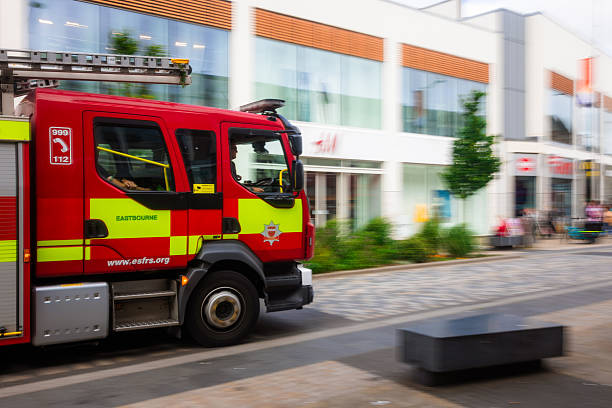
After a fire has been brought under control, access to water can still become an urgent problem. A building may need large amounts of water for cleanup, cooling affected areas, washing soot from outdoor surfaces, supporting workers, or restoring basic operations before the normal supply becomes reliable again.
For homes, shops, warehouses, offices, estates, and industrial sites in Nigeria, arranging emergency water delivery after fire can help recovery work begin without waiting for damaged plumbing, interrupted public supply, or an empty storage tank to be restored.
Travo.ng can help coordinate urgent water delivery and supporting logistics when a property needs dependable supply during post-fire recovery.
Work Out How Much Water the Site Actually Needs
Ordering water immediately is important, but estimating the required volume first can prevent repeated tanker trips.
A small residential property may only need enough water for cleaning, temporary household use, and refilling a storage tank. A warehouse or commercial property may require considerably more, especially where soot, ash, debris, and fire-control materials have affected large areas.
Before arranging delivery, check:
- The approximate size of the property
- Whether existing tanks survived the fire
- How many people are working at the site
- Whether water is required mainly for cleaning or general use
- How easily a tanker can enter and discharge water
- Whether several deliveries may be required
For example, a business facility in Ikeja with a damaged borehole system may need an initial tanker delivery for cleanup, followed by another supply while repairs continue.
Access Can Be the Biggest Challenge After a Fire
Emergency deliveries are not always as simple as sending a tanker to an address.
Fire engines, damaged vehicles, security restrictions, fallen materials, police activity, or emergency workers can limit access to the property. In congested parts of Lagos, places such as Lagos Island, Mushin, Surulere, or busy commercial areas may also require careful timing because a large water tanker cannot manoeuvre easily during peak traffic.
When requesting emergency water delivery after fire damage, provide accurate information about the entrance, road conditions, available parking space, and where the water needs to be discharged.
Clear instructions can save significant time when every hour of the recovery process matters.
Water for Cleaning Is Different From Drinking Water
One mistake property owners make is assuming every delivered water supply is suitable for every purpose.
Water required for washing floors, clearing soot, cleaning compounds, or supporting construction-style recovery work may not need the same standard as potable water intended for drinking or food preparation.
Tell the delivery coordinator exactly how the water will be used.
If people will drink or cook with it, potable water should be specifically requested. Where the supply is mainly needed for cleanup or filling utility tanks, the requirement may be different.
This distinction is particularly important for restaurants, hotels, hospitals, offices, schools, and other facilities where water quality affects customers or staff.
Coordinate Other Recovery Logistics at the Same Time
Fire recovery often involves more than water.
Damaged furniture, stock, equipment, and debris may need to be moved. Businesses may also require temporary transport, cargo movement, replacement supplies, vehicle hire, or deliveries between different locations.
Travo.ng can support these related logistics needs alongside urgent water coordination, helping reduce the number of separate providers a property manager or business owner has to manage during an already difficult recovery period.
For example, a retailer recovering from a warehouse fire in Lagos may need water delivered to the affected site while usable inventory is transported to another storage location.
Give the Right Information When Booking
For faster coordination, have the important details ready before requesting delivery.
Provide the exact location, nearest landmark, estimated water quantity, intended use, preferred delivery time, contact person at the property, and any restrictions affecting tanker access.
For interstate or less accessible locations, allow for additional travel time and confirm whether the road can safely accommodate the delivery vehicle.
Urgent requests made late at night, during heavy traffic, or during periods of unusually high demand may also require more planning than daytime deliveries.
Arrange Emergency Water Supply Without Delaying Recovery
After a fire, delays in basic services can slow cleaning, repairs, reopening, and the return of occupants or workers.
Reliable emergency water delivery after fire gives property owners and businesses a practical way to keep recovery moving while permanent water systems are being inspected or repaired.
Through Travo.ng, customers can arrange water delivery alongside relevant transport, cargo, courier, vehicle hire, relocation, and business logistics support.
The most effective approach is to provide accurate site details early so the right delivery can be coordinated safely and without unnecessary repeat trips.
