


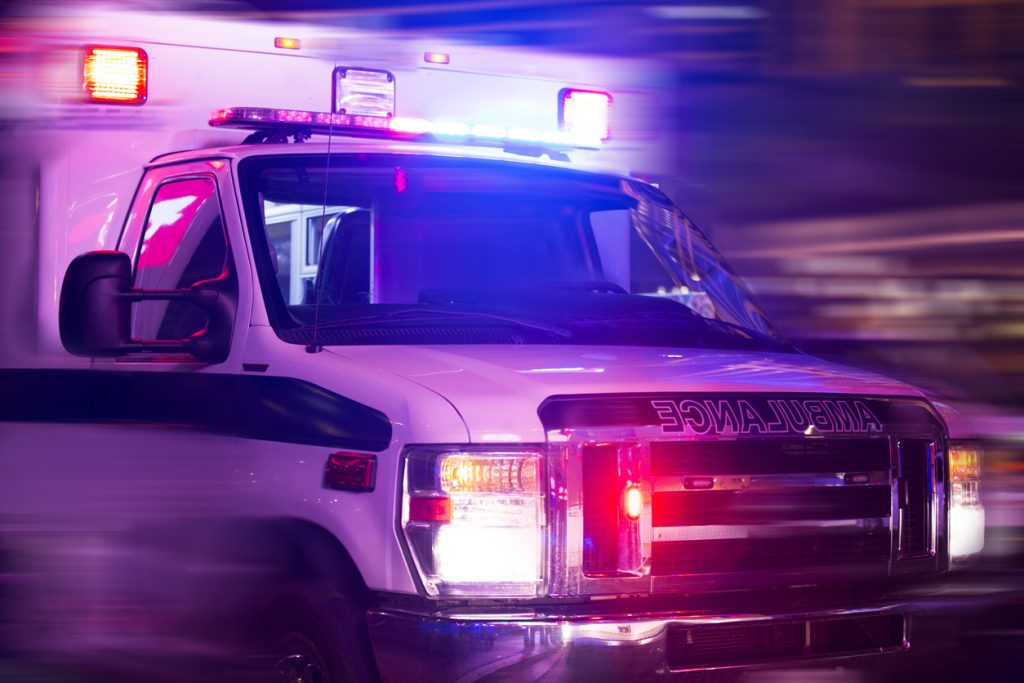
When an emergency happens around Nigeria’s coastal or riverine communities, road transport is not always the fastest or even the most practical option. Flooding, traffic gridlock, damaged access roads, offshore incidents, or urgent movement between waterfront locations can make marine transport essential.
An emergency response ferry in Nigeria can help move people, response teams, medical personnel, essential supplies, or equipment quickly when normal transport arrangements are too slow or unavailable.
For businesses, institutions, event operators, construction teams, and private groups, the real challenge is usually not finding a boat. It is coordinating the right vessel, pickup point, timing, passenger numbers, safety requirements, and onward transport without losing valuable time.
When Emergency Ferry Transport Becomes Necessary
Marine emergency transport is especially useful in areas where waterways form part of everyday movement.
In Lagos, locations around Victoria Island, Ikoyi, Lekki, Apapa, Marina, and several waterfront communities may require water-based movement when road access becomes difficult. Similar situations can arise in parts of Rivers, Bayelsa, Delta, Akwa Ibom, and Cross River.
Typical requests may include:
- Moving response personnel to a riverine community
- Transporting stranded passengers from a waterfront location
- Moving urgent equipment or supplies
- Supporting evacuation during flooding
- Coordinating transport for offshore or coastal operations
- Providing backup transport when road routes are severely disrupted
The important point is that an emergency ferry arrangement must be treated differently from a normal leisure boat booking. Timing, capacity, safety, loading requirements, and destination access all need to be confirmed before movement begins.
What to Confirm Before Booking an Emergency Response Ferry in Nigeria
The first information an operator will normally need is the exact pickup and drop-off point.
Saying “Lekki” or “Port Harcourt” may not be enough. Marine pickup locations can be specific jetties, terminals, private waterfronts, or designated access points.
You should also provide:
- Number of passengers
- Type and quantity of cargo
- Desired departure time
- Nature of the emergency movement
- Whether medical or specialist personnel are travelling
- Whether onward road transport is required
- Contact details for someone at both locations
If heavy equipment, relief materials, luggage, or business cargo is involved, this should be stated early. A ferry suitable for moving ten passengers may not be suitable for the same ten passengers plus bulky operational equipment.
Response Time Depends on Location and Vessel Availability
Emergency marine transport does not have one fixed response time across Nigeria.
A vessel already positioned around Lagos Island may be deployed faster than one that must travel from another jetty before collecting passengers. Weather, tidal conditions, passenger numbers, and operating restrictions may also affect departure.
During periods of heavy rain or flooding, demand can increase quickly.
This is why early coordination matters. Even when movement is urgent, providing accurate information at the beginning usually saves more time than making a rushed booking and changing the arrangement later.
How Much Emergency Ferry Transport Can Cost
Pricing depends heavily on the route, vessel type, passenger capacity, operating duration, waiting time, fuel use, and whether the ferry is required for a one-way transfer or standby operation.
A short movement between nearby Lagos waterfront locations will normally be priced differently from a longer deployment involving remote riverine destinations or several hours of standby time.
Additional costs may also apply when the booking requires:
- Dedicated vessel deployment
- Extended waiting time
- Special cargo handling
- Multiple pickup locations
- Late-night operations
- Vehicle support after passengers arrive
Instead of relying on a general online price, it is better to request a quote based on the exact movement required.
Coordinating the Ferry With Road Transport
One common mistake is arranging water transport without planning what happens after passengers reach the destination jetty.
For example, a team moving urgently from a Lagos waterfront location may still need buses, SUVs, vans, or cargo vehicles waiting at the arrival point.
Travo.ng can help coordinate the marine movement alongside relevant transport services, vehicle hire, airport pickups, cargo logistics, delivery support, and other mobility requirements where needed.
This creates a smoother handover between water and road transport instead of leaving passengers or equipment stranded after the ferry arrives.
Arrange Emergency Marine Transport Through Travo.ng
An emergency response ferry in Nigeria works best when every part of the movement is clearly coordinated before departure.
Share the pickup location, destination, number of passengers, cargo details, required departure time, and any special operational needs as early as possible.
Travo.ng can assist with practical ferry and transport coordination for urgent movements, business operations, group transport, cargo requirements, and related mobility support across suitable Nigerian locations.
When timing matters, having one team coordinate the transport details can make the movement faster, clearer, and easier to manage.
