


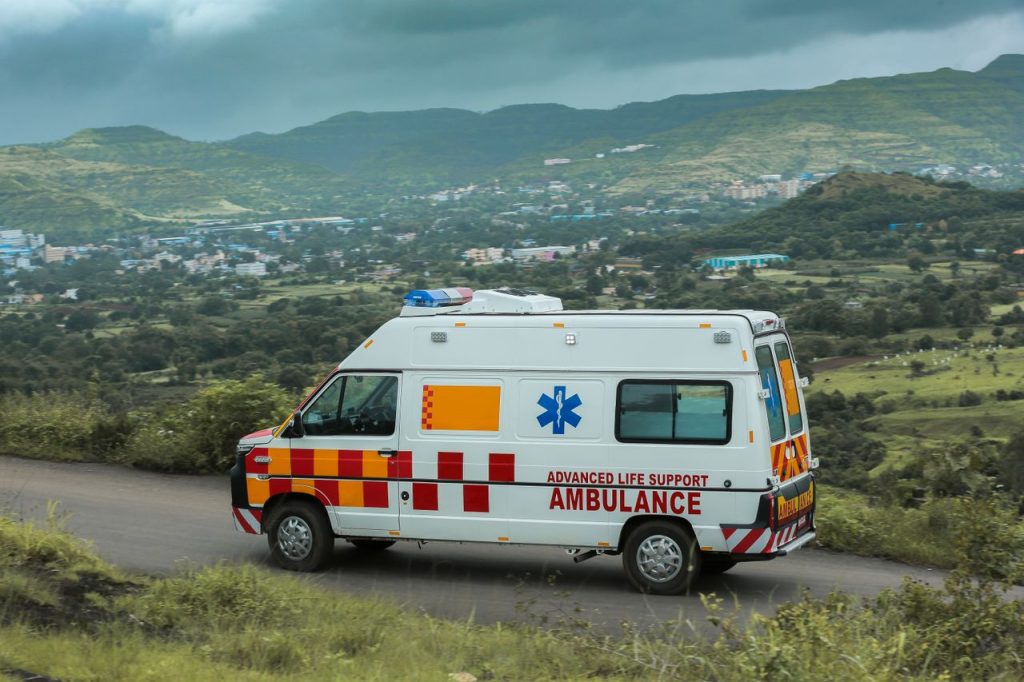
Emergency healthcare logistics in Nigeria is not the kind of service anyone wants to test during a crisis. But when a hospital, pharmacy, laboratory, NGO, or family needs urgent medical movement, the difference between a smooth delivery and a delayed one can affect real lives.
In Nigeria, medical logistics is not just about putting a package on a bike or truck. It involves timing, safe handling, route planning, communication, and knowing how Nigerian roads actually behave at different times of the day. A delivery that looks simple on paper can become complicated once you add Lagos traffic, hospital clearance, fuel delays, bad weather, interstate checkpoints, or poor address descriptions.
That is why emergency healthcare logistics needs a more serious approach than regular parcel delivery.
What Emergency Healthcare Logistics Usually Covers
Emergency medical logistics can involve different types of urgent movements depending on the situation. Some requests are small but time-sensitive, while others require careful coordination across cities or facilities.
Common examples include:
Medical samples: Blood samples, test specimens, swabs, and laboratory materials that need to move quickly from clinics to diagnostic centres.
Urgent pharmacy deliveries: Prescription medication, hospital supplies, emergency drugs, and medical consumables needed by patients or facilities.
Hospital-to-hospital movement: Transfers of documents, medical records, small equipment, or urgent supplies between healthcare providers.
Cold-sensitive items: Certain medicines, vaccines, reagents, and healthcare products that must not be exposed to heat for long periods.
Emergency support items: Gloves, syringes, IV fluids, PPE, wound care materials, and other supplies needed when hospitals or clinics run short.
In places like Lagos, Abuja, Port Harcourt, Ibadan, Enugu, and Kano, these movements often need to happen fast, but speed alone is not enough. The item must arrive safely, to the right person, and with proper communication from pickup to delivery.
Why Medical Deliveries in Nigeria Can Go Wrong
Many emergency healthcare deliveries fail because they are treated like normal dispatch jobs. But medical logistics has different pressure points.
A rider may pick up a parcel without understanding that the item is temperature-sensitive. A driver may leave late because the pickup contact was not confirmed. A package may arrive at a hospital gate, but the receiving staff may not know who authorized it. In some cases, delays happen because the sender did not label the item properly or failed to provide the correct ward, department, or contact number.
Traffic is another serious issue. In Lagos, a delivery from Ikeja to Lekki can take less than one hour on a good day, but it can stretch far longer during evening rush hour, rain, roadworks, or events around Victoria Island and Oniru. In Abuja, movements around Wuse, Garki, Maitama, Jabi, and airport routes can also slow down during peak periods.
Emergency healthcare logistics in Nigeria must be planned with these realities in mind.
How Urgent Medical Transport Should Be Coordinated
A good emergency healthcare logistics process starts before the vehicle moves. The dispatcher needs to confirm what is being moved, how quickly it must arrive, who is releasing it, and who is receiving it.
For urgent medical deliveries, these details matter:
Pickup contact: The person releasing the item should be reachable and ready.
Delivery contact: The receiver should know the item is coming and where to collect it.
Handling instruction: The logistics team should know if the package is fragile, sensitive, confidential, or cold-chain related.
Route choice: The fastest route is not always the best route. Sometimes a slightly longer road is more reliable than a shorter route with heavy traffic.
Proof of delivery: Hospitals, labs, and pharmacies often need confirmation that the item reached the right person.
This is where Travo.ng can support hospitals, pharmacies, laboratories, healthcare businesses, and families that need organized emergency delivery services instead of random, uncoordinated dispatch.
Same-Day and Interstate Healthcare Logistics
Not every emergency is within the same city. A healthcare supplier may need to move medical consumables from Lagos to Ibadan. A pharmacy may need urgent stock delivered to Abuja. A hospital may need documents or small equipment moved from Port Harcourt to another facility.
For same-day city deliveries, bikes and cars are often useful depending on the item size and handling requirements. For bulkier medical supplies, vans may be more suitable. For interstate movement, proper scheduling is important because road travel can be affected by departure time, security conditions, fuel stops, checkpoints, and vehicle availability.
A Lagos to Ibadan delivery can often be handled within the same day when planned early. Lagos to Abuja usually requires stronger coordination, especially if the item must arrive urgently and safely. Emergency logistics is not just about movement; it is about choosing the right transport option for the level of urgency.
Mistakes to Avoid When Sending Medical Items
People often make small mistakes that create big delays. Before booking emergency medical logistics, avoid these common issues:
Sending vague addresses: “Opposite the hospital” is not enough. Use the full address, department, and contact name.
Not stating urgency clearly: A medical item needed in two hours should not be booked like a regular delivery.
Poor packaging: Samples, medicine, or fragile items should be properly sealed and protected before pickup.
No receiver confirmation: The receiver should be expecting the delivery before the rider or driver arrives.
Ignoring temperature needs: Heat-sensitive healthcare items should not be moved casually without proper instructions.
These details help prevent unnecessary delays and reduce the risk of failed delivery.
Booking Emergency Healthcare Logistics With Travo.ng
Travo.ng helps customers coordinate practical logistics support across Nigeria, including urgent deliveries, courier services, transport coordination, cargo movement, and healthcare-related delivery needs. For emergency healthcare logistics in Nigeria, the goal is to make movement faster, clearer, and better managed from pickup to final handover.
Whether you are a hospital sending urgent documents, a pharmacy delivering medicine, a lab moving samples, or a family arranging medical support items, Travo.ng can help match the request with the right delivery or transport option.
The best results come when you provide clear pickup details, receiver information, item description, urgency level, and any handling instructions. With proper coordination, emergency healthcare deliveries can move more safely and with fewer surprises.
For medical logistics, reliability matters. When timing, communication, and handling are important, booking through a service that understands Nigerian transport realities can make the process easier and more dependable.
