


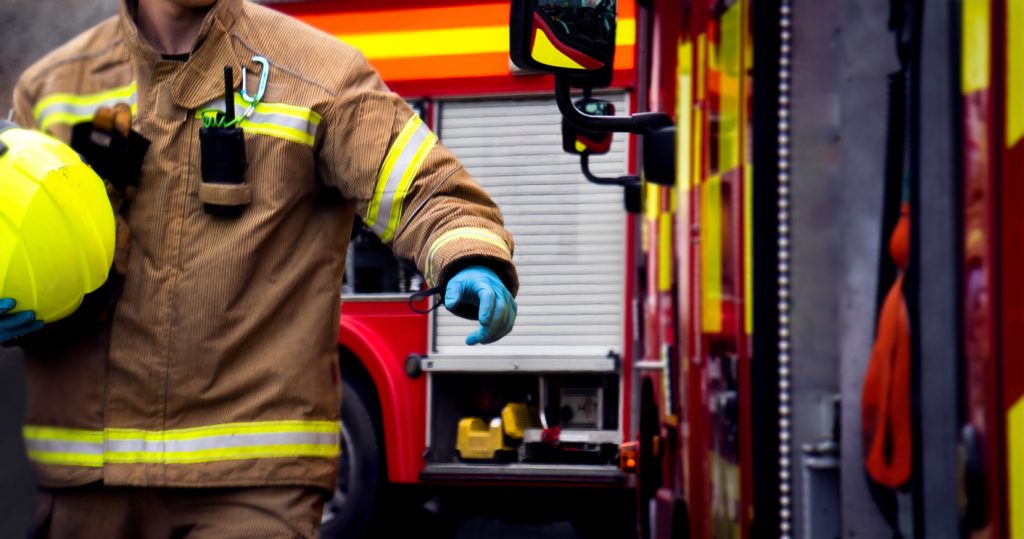
Lagos depends heavily on its roads, but anyone who regularly moves around the city knows how quickly traffic can turn a short journey into a serious delay. During emergencies, that delay can affect how fast people, medical supplies, rescue equipment, or support teams reach their destination.
This is where the idea of an electric ferry for emergency response in Lagos becomes practical rather than futuristic. With communities, businesses, hospitals, terminals, and residential areas located around the Lagos Lagoon and connected waterways, water transport can provide an alternative route when major roads are congested or difficult to access.
Electric ferries could make that emergency network cleaner, quieter, and potentially more predictable.
Where an Emergency Ferry Could Make the Biggest Difference
Emergency water transport would be most useful along areas already connected to Lagos waterways.
Routes involving Victoria Island, Ikoyi, Lekki, CMS, Marina, Apapa, Badore, Ajah, and parts of the mainland could benefit from coordinated ferry movement where suitable jetties are available.
Consider an emergency delivery that needs to move from the mainland toward Victoria Island during heavy evening traffic. Driving through Third Mainland Bridge or alternative routes could take much longer than expected.
A properly coordinated ferry could move essential personnel or lightweight emergency cargo across the lagoon while another vehicle handles the final road journey from the receiving jetty.
This does not mean ferries replace ambulances, fire trucks, or emergency vehicles. They become another transport option when Lagos traffic makes a direct road movement inefficient.
Why Electric Ferries Fit Lagos Emergency Operations
Traditional boats already support passenger and commercial movement across Lagos waterways. Electric ferries add another dimension because they can operate with reduced engine noise and without direct exhaust emissions during operation.
For emergency services, operational reliability matters more than novelty.
An electric emergency ferry would need:
- Reliable battery range for assigned routes
- Charging facilities at strategically selected terminals
- Backup power arrangements
- Proper safety equipment and trained operators
- Clear communication between water and road teams
- Fast access to vehicles at destination jetties
Emergency planning also has to consider Lagos weather conditions. Heavy rainfall, poor visibility, strong winds, and changing water conditions can affect movements, meaning water transport must always operate within established safety limits.
Emergency Response Still Requires Road and Water Coordination
The ferry journey is only one part of the movement.
Imagine medical supplies need to travel urgently from a facility around Ikoyi to another location near Apapa. The package must first reach the departure jetty, be transferred safely onto the vessel, cross the water, and then be collected immediately by another vehicle.
If the receiving driver arrives late, much of the time saved on the water disappears.
That is why emergency mobility works best when transport, drivers, dispatch teams, and delivery timing are managed together.
Travo.ng can support this wider coordination through transport arrangements, courier services, cargo logistics, vehicle hire, airport pickups, and business logistics support where relevant. For organisations managing urgent movements, having one team coordinate different parts of a journey can reduce unnecessary delays.
What Organisations Should Plan Before Using Water Transport
Businesses, hospitals, emergency contractors, event organisers, and government-related teams considering emergency ferry movements should identify suitable routes before an incident happens.
Check where the nearest usable jetty is located, how long road transfers take at both ends, what type of cargo can be carried safely, and whether the vessel can operate during the required period.
Charging is particularly important for an electric ferry for emergency response in Lagos. Operators need enough battery capacity for the planned journey plus a realistic operational reserve. Emergency vessels should not depend on optimistic range estimates.
Peak travel periods also matter. Lagos traffic usually becomes more difficult during weekday mornings and evenings, while December travel, major events, heavy rainfall, and road incidents can create additional pressure.
Building a More Flexible Emergency Transport Network
Lagos will continue to need better coordination between road and water transport as the city grows.
Electric ferries could become part of that system, especially for urgent cross-lagoon movement where road congestion creates unacceptable delays. Their value will depend on good terminals, dependable charging infrastructure, trained crews, safety procedures, and efficient last-mile transport.
For organisations planning emergency movements, staff transport, urgent deliveries, vehicle support, or coordinated logistics across Lagos, Travo.ng can help arrange the transport connections needed before and after the water journey.
The strongest emergency transport system is not built around one vehicle. It is built around having several workable routes when the usual option becomes too slow.
