


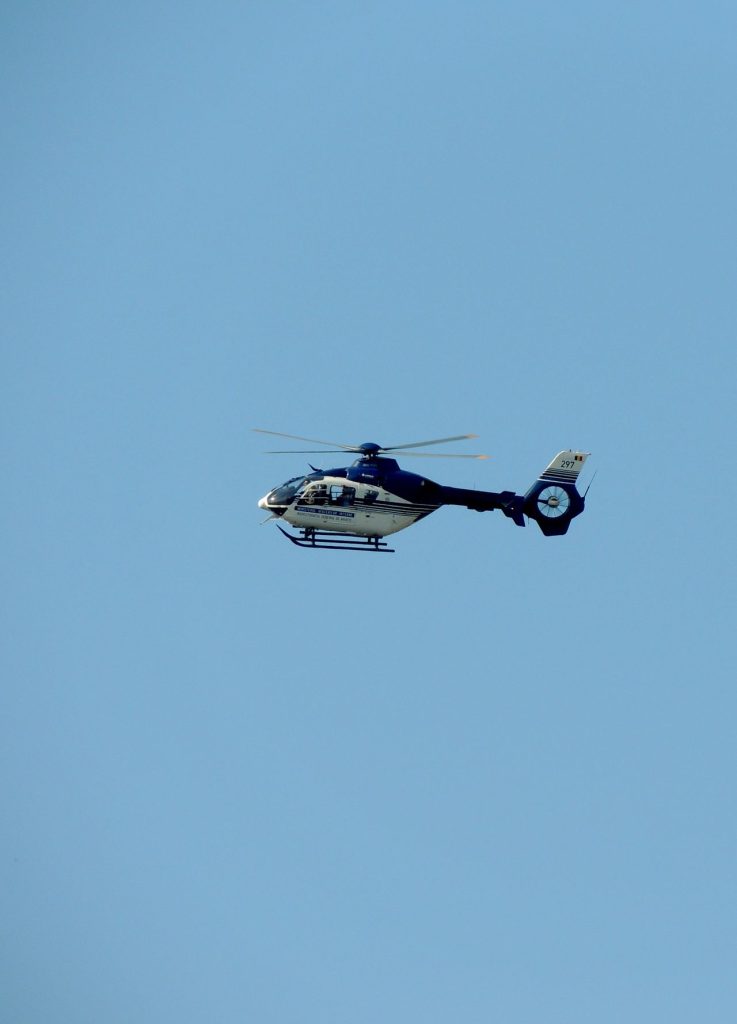
When roads are blocked, time is limited or a destination is difficult to reach, ordinary transport may not be suitable. Medical teams, oil and gas operators, construction companies, government agencies and humanitarian organisations may need a faster way to move people or essential supplies.
Helicopter emergency logistics in Nigeria provides an alternative for urgent operations where delays could affect health, safety or business continuity. It can support medical evacuations, offshore personnel movement, equipment delivery and rapid access to remote project locations.
However, arranging a helicopter is different from booking a road vehicle. The operation requires accurate information, suitable landing arrangements, aviation approvals and proper coordination between the departure and destination teams.
Situations Where Road Transport May Be Too Slow
Helicopter support is usually considered when the urgency or location makes normal road movement impractical.
Common situations include:
- Moving medical personnel to an emergency site
- Transferring a patient to a better-equipped hospital
- Delivering urgent medical supplies
- Transporting engineers to an offshore facility
- Reaching communities affected by flooding
- Moving critical machine parts to a remote project
- Supporting emergency inspections after an incident
- Evacuating personnel from an unsafe location
For example, a technical fault at an offshore platform near Port Harcourt may require a specialist engineer and a small replacement part. Sending the engineer by road and boat may take too long, while coordinated air transport can reduce the travel time significantly.
What Information Is Needed Before a Flight Can Be Arranged
Emergency does not mean the planning stage can be ignored. The flight coordinator needs complete and accurate details before confirming the aircraft and route.
Be ready to provide:
- The number of passengers
- Passenger names and approximate weights
- The type and weight of cargo
- Pickup and destination locations
- The required departure time
- The reason for the emergency movement
- Available landing facilities
- Contact details for teams at both locations
For medical movement, information about the patient’s condition and required equipment is also important. A standard passenger helicopter may not be suitable for a patient who needs a stretcher, oxygen or medical supervision during the flight.
Landing Access Can Determine Whether the Trip Is Possible
A helicopter cannot safely land simply because there is an open field nearby. The landing area must be assessed for size, surface condition, surrounding buildings, trees, power lines and other obstacles.
Some movements may use an approved airport, helipad or offshore landing facility. In remote areas, the operator may need to review the proposed landing zone before accepting the flight.
The ground team should keep people, vehicles and loose materials away from the landing area. Dust, plastic sheets, roofing materials and unsecured objects can become dangerous when the aircraft approaches.
Travo.ng can help coordinate ground vehicles, passenger transfers, equipment delivery and onward transport before and after the helicopter journey.
Cargo Must Be Packed for Air Movement
Urgent equipment should still be packaged correctly. The aircraft has strict weight and space limits, so oversized crates or poorly prepared cargo may not be accepted.
Provide accurate measurements for machinery parts, medical boxes, communication equipment or field supplies. Dangerous items, fuel, chemicals and certain batteries may require special handling or may not be permitted.
Cargo should be:
- Clearly labelled
- Properly sealed
- Protected from impact
- Easy to identify
- Weighed before dispatch
- Accompanied by the required documentation
If the item must first travel from Lagos Island to an airport or helipad, allow enough time for road pickup, security checks and loading.
What Affects the Cost of Emergency Helicopter Logistics
Pricing depends on the route, aircraft type, passenger load, operating time and landing requirements. Waiting time, overnight positioning and special medical equipment may also affect the final cost.
Flights arranged at very short notice may cost more because the operator must reposition an aircraft, prepare a crew and obtain the necessary clearances quickly.
Customers should provide the full operational details when requesting a quotation. Leaving out important information may lead to delays or price changes later.
Coordinate Emergency Air and Ground Movement With Travo.ng
Reliable helicopter emergency logistics in Nigeria requires more than securing an aircraft. Passengers, cargo, ground transport, landing access and destination support must all work together.
Travo.ng helps businesses, organisations and individuals coordinate urgent aviation logistics, airport transfers, vehicle hire, cargo movement and accommodation where necessary.
Whether the request involves medical support, offshore operations, flood response or critical equipment delivery, careful planning helps ensure the journey is safe, efficient and suited to the emergency.
