


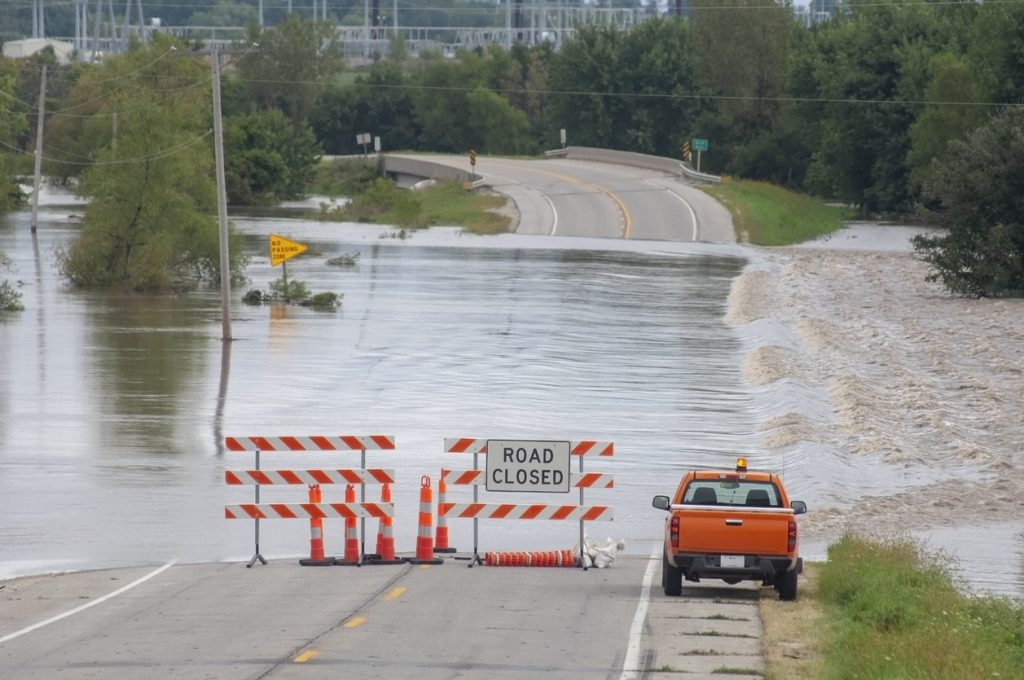
When road access is cut off by flooding, damaged bridges, traffic gridlock or community isolation, waiting for normal transport may not be practical. In coastal and riverine parts of Nigeria, a ferry can provide a faster and more direct way to move passengers, supplies and essential equipment.
Booking emergency ferry hire Nigeria requires more than finding the nearest available boat. The vessel must suit the route, passenger numbers, cargo weight and current water conditions. Clear planning is especially important during bad weather or emergencies, when demand is high and loading points may be difficult to reach.
Travo.ng helps individuals, businesses and organisations coordinate urgent ferry movement alongside road transport, vehicle hire and delivery support.
Situations Where Emergency Ferry Hire Makes Sense
Emergency ferry transport may be needed when normal road travel becomes impossible or dangerously slow.
Common situations include flood evacuation, urgent food delivery, medical supply movement, worker transport and access to communities separated by rivers or lagoons. Businesses may also need ferry support when staff or equipment must reach an island, waterfront facility or offshore work location without delay.
In Lagos, ferry movement may help connect areas around Ikorodu, Badore, Lekki, Victoria Island and Lagos Island. In Rivers, Bayelsa and Delta states, water transport is often essential for reaching riverine communities and operational sites.
A ferry is not always the complete solution. In many cases, passengers or cargo still require a car, van or truck to reach the jetty and another vehicle after arriving at the destination.
What to Provide Before a Ferry Can Be Assigned
The transport coordinator needs accurate information to choose a suitable vessel and prepare the journey.
Provide the exact pickup and drop-off points, the number of passengers and the type of cargo being moved. The operator should also know whether children, elderly passengers, patients or people with limited mobility will be travelling.
For cargo movement, state the approximate weight, number of packages and whether any item is fragile, temperature-sensitive or hazardous. A few cartons of emergency food require different arrangements from a generator, construction tools or heavy relief supplies.
You should also confirm:
- The required departure time
- The nearest accessible jetty
- Whether loading assistance is needed
- The availability of onward road transport
- Any deadline at the destination
Providing these details early reduces delays and prevents the wrong vessel from being sent.
Safety Should Come Before Speed
Emergency movement creates pressure to leave immediately, but basic safety checks should never be ignored.
Every passenger should have access to a suitable life jacket. The ferry should not carry more people or cargo than its approved capacity, and heavy items must be positioned carefully to maintain balance.
The operator should understand the route and current water conditions. Travelling through an unfamiliar channel during heavy rain, strong winds or poor visibility can be risky, even for experienced crews.
Where possible, avoid night travel unless the ferry has suitable lighting, navigation equipment and an operator familiar with the route. Emergency contacts and passenger information should also be available before departure.
How Urgent Cargo Should Be Prepared
Emergency supplies often include food, medicine, clothing, communication devices and power equipment. These items should be protected from water before loading.
Use sealed plastic containers, waterproof bags or properly covered cartons. Documents, phones, laptops and medical supplies need additional protection because a small amount of water can cause serious damage.
Do not leave loose packages on the deck. Tie down or secure cargo so it cannot move when the ferry changes direction or encounters waves. Weight should be distributed evenly instead of being placed on one side of the vessel.
Travo.ng can also coordinate pickup vehicles and last-mile delivery after the ferry reaches the receiving jetty.
Why the Cheapest Ferry May Not Be the Best Option
Emergency ferry prices depend on distance, vessel size, fuel requirements, route conditions, loading time and the urgency of the trip.
A low quotation may exclude fuel, waiting time, loading support or onward transport. Before confirming the booking, ask what the price covers and whether additional charges may apply if the route changes.
The most suitable option is one that can complete the journey safely within the required timeframe, not simply the cheapest boat available.
Coordinate Emergency Ferry Hire With Travo.ng
Reliable emergency ferry hire Nigeria depends on suitable equipment, an experienced operator and proper coordination between water and road transport.
Travo.ng helps arrange ferry movement for passengers, emergency supplies, business equipment and relief cargo. Where the journey requires vehicles before or after the water crossing, those stages can also be coordinated as part of one practical transport plan.
With clear route information, secure packaging and realistic timing, urgent movement can continue even when normal road access is unavailable.
