


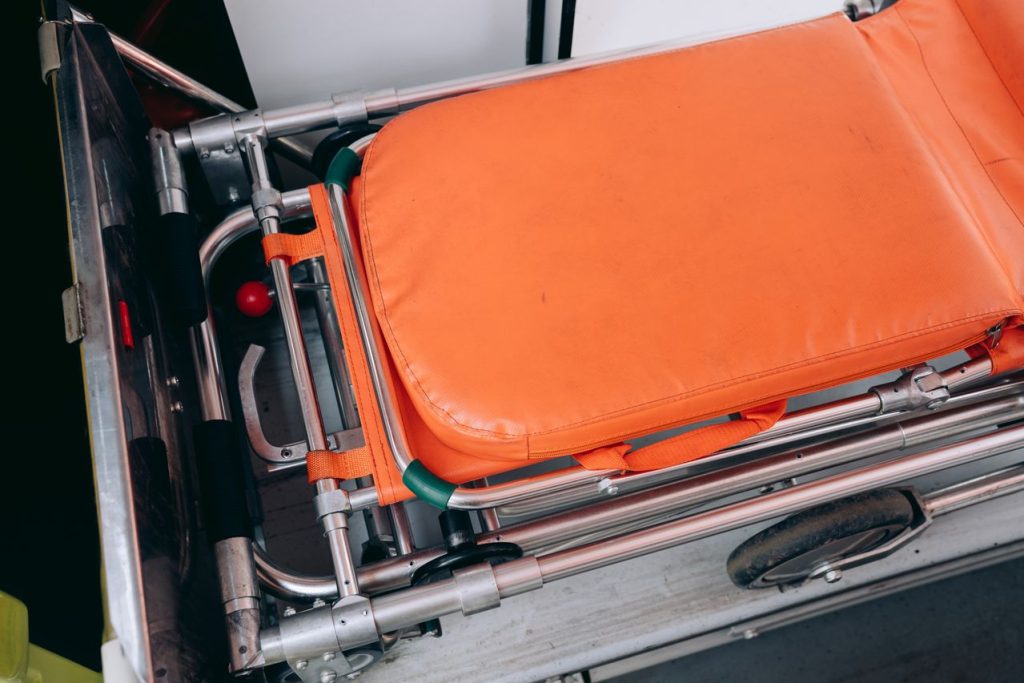
Medical emergencies do not always happen close to a road. In waterfront communities, riverine settlements, offshore work locations and areas affected by severe flooding, a standard road ambulance may not be able to reach the patient quickly enough.
A marine ambulance in Lagos provides emergency transport by water, helping patients move from difficult-to-access locations to a jetty, hospital transfer point or other suitable medical facility. This service can be particularly useful around Lagos Lagoon, Victoria Island, Ikoyi, Lekki, Ajah, Tarkwa Bay and communities where boats are part of everyday transport.
The main priority is not simply finding a boat. Emergency movement requires a suitable vessel, trained personnel, medical equipment, safe loading and proper coordination with the receiving hospital.
When Road Ambulances Cannot Reach the Patient
Lagos traffic can delay even a well-planned emergency response. In some locations, the bigger problem is that there is no direct road access at all.
A marine ambulance may be needed for:
- Medical emergencies on boats or ferries
- Patients in waterfront or riverine communities
- Accidents at offshore work locations
- Transfers from islands to mainland hospitals
- Flood emergencies that block vehicle access
- Evacuations from beaches or recreational areas
- Urgent movement between waterfront medical facilities
For example, a patient at Tarkwa Bay may need to be moved by water before a road ambulance can continue the journey from the nearest accessible jetty. Without advance coordination, valuable time may be lost arranging the second stage of the trip.
What a Proper Marine Medical Transfer Should Include
An ordinary passenger boat is not automatically suitable for medical evacuation. The vessel must have enough space for the patient, medical personnel and any required equipment.
Depending on the patient’s condition, the service may need a stretcher, oxygen supply, basic monitoring equipment, first-aid materials and trained emergency responders. The boat should also have life jackets, communication equipment and an experienced operator familiar with Lagos waterways.
Before departure, the team should confirm the patient’s condition, pickup coordinates, nearest safe loading point and destination hospital. This information helps determine whether the patient can be transported directly or requires stabilisation before movement.
Where the situation is life-threatening, emergency services and qualified medical professionals should be contacted immediately.
Coordinating the Jetty-to-Hospital Transfer
A water transfer may only cover part of the journey. Once the marine ambulance reaches a jetty, the patient may still need a road ambulance to complete the trip to the hospital.
This handover should be arranged before the boat departs. The road ambulance needs the expected arrival time, jetty location and basic information about the patient’s condition.
Busy areas such as Victoria Island, Lekki and Marina may experience traffic delays, especially during working hours. Selecting the right landing point can reduce unnecessary travel time after the patient leaves the boat.
Travo.ng can help coordinate marine transport, road ambulance connections, vehicle movement and communication between the different teams involved in the transfer.
Information to Provide When Requesting Help
Clear information allows the response team to prepare correctly. Provide:
- The patient’s exact location
- The nature of the emergency
- The patient’s age and current condition
- The number of people travelling
- The nearest safe jetty or waterfront access point
- The preferred hospital or receiving facility
- Any medical equipment already in use
- A working phone number for the person on-site
Sharing a live location can be especially useful when the pickup point is away from a recognised jetty.
Do not move the patient unnecessarily while waiting, particularly where there may be spinal, head or serious limb injuries. Follow instructions from qualified emergency personnel.
Weather and Water Conditions Can Affect Response Time
Heavy rain, strong winds, poor visibility and rough water can affect how quickly a marine ambulance can travel. Night transfers may also require additional navigation precautions.
Response time depends on the distance from the available vessel, the patient’s location, jetty access and whether onward road transport has already been arranged.
People requesting emergency water transport should give accurate details rather than choosing a familiar landmark that is far from the real pickup point. Incorrect information can cause delays at a time when every minute matters.
Arrange Marine Ambulance Support With Travo.ng
Booking a marine ambulance in Lagos requires careful coordination between the boat operator, medical personnel, jetty team, road ambulance and receiving hospital.
Travo.ng helps individuals, businesses, event organisers and offshore operators arrange marine transport, emergency movement and connecting road logistics across Lagos. The service can support patient transfers from waterfront locations while ensuring the next stage of the journey is properly planned.
With clear information, suitable equipment and coordinated transport, patients can be moved more safely from water-access locations to appropriate medical care.
