


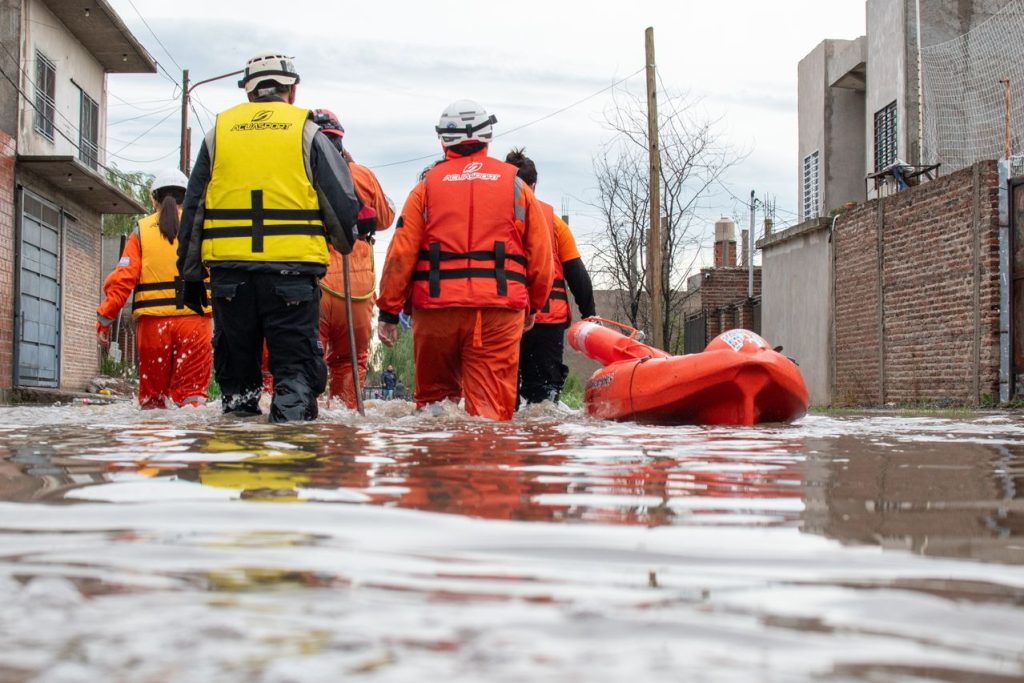
Flooding in Lagos can turn a normal workday into an emergency within a few hours. Roads that were passable in the morning may become blocked after heavy rainfall, leaving employees stranded in offices, shops, warehouses or project sites.
A clear plan for staff evacuation during flooding in Lagos helps businesses move workers before conditions become dangerous. This is especially important for companies operating around Lekki, Ajah, Victoria Island, Lagos Island, Ikoyi, Apapa and other areas where road access can deteriorate quickly during intense rainfall.
Evacuation should not begin only after vehicles are already trapped. Businesses need to monitor conditions, identify safe pickup points and arrange suitable transport early.
When Staff Should Leave the Workplace
One of the biggest mistakes employers make is waiting for closing time before deciding whether workers should leave. By then, traffic may already be severe and major roads may be covered with water.
Managers should consider early evacuation when rainfall remains heavy for an extended period, drainage channels begin overflowing or reports show that key access roads are becoming unsafe.
Staff may also need to leave early when:
- Water is entering the workplace or car park
- Public transport is no longer available
- Nearby roads are becoming difficult to cross
- Electricity has been disconnected for safety
- Employees live far from the workplace
- Night travel could increase the risk
A company in Victoria Island, for example, should not assume that every employee can still reach the mainland once flooding affects routes through Ahmadu Bello Way, Ozumba Mbadiwe or surrounding roads.
Choose Pickup Points Vehicles Can Actually Reach
During flooding, the office entrance may not be the safest pickup location. A car or bus may be unable to enter a submerged street even when a nearby major road remains passable.
Employers should identify alternative meeting points such as a petrol station, hotel entrance, shopping centre or raised roadside area. The selected point should be easy for staff to locate and safe for a vehicle to stop without blocking traffic.
Where employees are spread across different buildings, it may be more practical to use two or three pickup points instead of forcing everyone to gather in one place.
Travo.ng can help businesses coordinate vehicle hire, route planning and emergency pickups based on current access conditions.
Match the Vehicle to the Flood Situation
A standard saloon car may not be suitable for waterlogged roads. Depending on the route and number of employees, the evacuation may require an SUV, bus, high-clearance vehicle or a combination of road and boat transport.
However, a larger vehicle should not be treated as permission to drive through deep water. Floodwater can hide open drains, potholes, damaged road surfaces and strong currents.
The driver should use approved alternative routes and turn back when conditions are unsafe. Protecting staff is more important than completing the journey through a dangerous section of road.
Group Employees by Destination
Sending every worker home individually can increase cost and delay the evacuation. A more efficient approach is to group employees according to where they live.
For example, staff travelling toward Ikeja, Agege and Ogba can share one vehicle, while those heading toward Surulere, Yaba or the Lagos-Badagry corridor can use another.
Employees who live in severely affected areas may need to be dropped at a safe transport hub or temporary accommodation instead of being taken directly home. Businesses can also arrange hotel reservations for essential staff who cannot safely complete their journeys.
Clear grouping reduces unnecessary stops and helps drivers avoid crossing the same flooded routes repeatedly.
Information the Transport Coordinator Needs
Before requesting emergency transport, provide accurate operational details. These should include the number of employees, current location, preferred pickup time and the areas where workers need to go.
The coordinator should also know whether any employee is pregnant, elderly, injured or living with a mobility challenge. These passengers may require extra assistance or priority seating.
Share live phone numbers for both the company representative and the staff group leader. During an emergency, one person should communicate with the driver so that instructions are not coming from several passengers at once.
What Staff Should Carry During Evacuation
Employees should travel with only essential personal items where possible. Heavy office equipment and bulky belongings can slow boarding and reduce available vehicle space.
Phones should be charged, and important documents or electronic devices should be protected in waterproof bags. Staff should also inform family members about their route and expected destination.
Where workers must walk a short distance to the pickup point, they should avoid entering fast-moving water or attempting to cross roads when the surface cannot be seen.
Coordinate Flood Evacuation With Travo.ng
Successful staff evacuation during flooding in Lagos depends on early decisions, realistic route planning and suitable transport. Waiting until roads are completely blocked can leave employees stranded for several hours.
Travo.ng helps companies coordinate emergency staff pickups, vehicle hire, group transport, hotel arrangements and boat movement where road access is no longer possible.
With an organised evacuation plan, businesses can protect their employees, reduce confusion and move people away from flooded areas before conditions become more difficult.
