


Flooding can isolate rural communities within a few hours. Roads become impassable, bridges may be damaged, and vehicles carrying food, medicine or clean water can be forced to stop kilometres away from the people who need help.
Reliable rural flood relief delivery Nigeria services help humanitarian groups, businesses, local authorities and private donors move essential supplies into affected areas. The work usually requires more than loading a truck and setting out. Routes must be checked, vehicles selected carefully, community contacts confirmed and alternative transport arranged where roads have disappeared under water.
Travo.ng helps coordinate road transport, boat movement, cargo handling and last-mile delivery for relief operations across Nigeria.
Why Ordinary Delivery Plans Fail During Flooding
A route that works during the dry season may become unusable after several days of heavy rain. Rural roads in parts of Bayelsa, Kogi, Benue, Rivers, Delta and Anambra can be washed out or covered by fast-moving water.
Drivers may also encounter collapsed culverts, deep mud, fallen trees or long diversions. Mobile network coverage can be unreliable, making it harder to receive updates from the delivery team.
Before dispatch, coordinators should confirm:
- Which roads are still accessible
- The current water level around the community
- Whether a bridge or ferry crossing is available
- Where trucks can safely stop
- Who will receive and document the supplies
- Whether boats or smaller vehicles are needed for the final stage
Sending a vehicle without this information can waste fuel, delay assistance and expose drivers to unnecessary danger.
Choosing the Right Vehicle for Rural Relief Delivery
The correct vehicle depends on the route, cargo volume and condition of the access road.
Large trucks are useful for moving bulk food, bottled water, mattresses and building materials over long distances. However, they may struggle on narrow village roads or soft ground. Four-wheel-drive vehicles, pickup trucks and smaller vans are often better for the last stage.
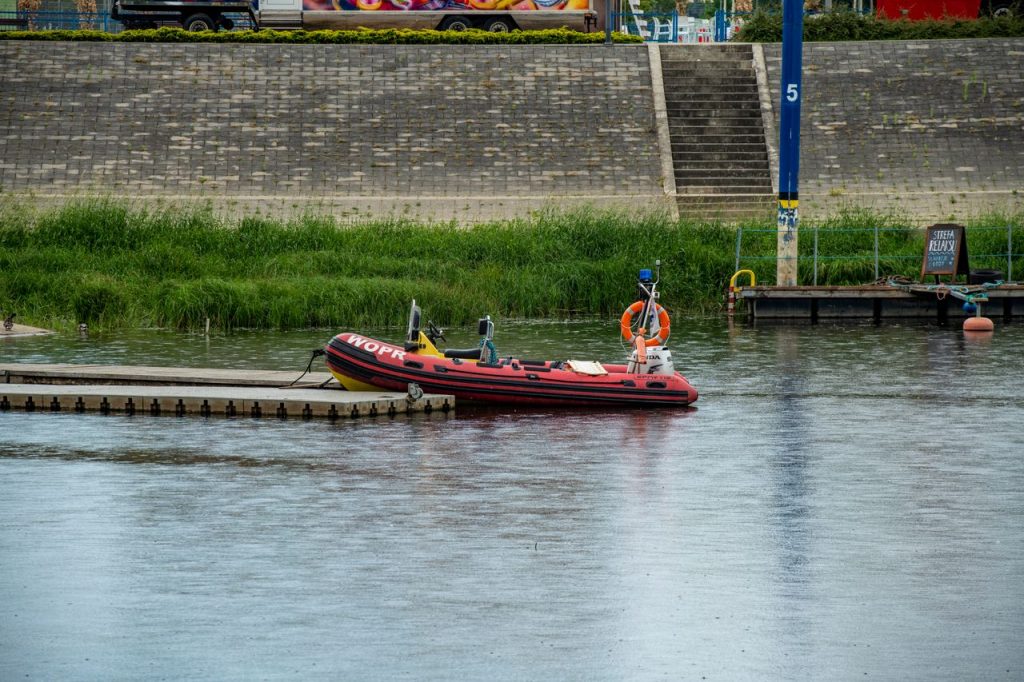
Where roads are completely flooded, supplies may need to be transferred into boats. This is common in riverine communities and low-lying settlements where residents already depend on waterways for transport.
A coordinated operation may involve:
- A truck moving goods from Lagos or Abuja to a regional town
- A smaller vehicle carrying the load to the nearest accessible point
- A boat transporting supplies into the affected community
- Local teams handling final distribution
Planning these stages together reduces confusion and prevents relief items from being stranded midway.
Packing Supplies for Wet and Difficult Conditions
Relief items should be packaged for rough handling, rain and repeated transfers between vehicles.
Food should be sealed inside strong waterproof bags or containers. Rice, beans, garri and other dry goods can be damaged quickly if sacks are placed on wet ground. Medicines and first-aid materials should be packed separately and labelled clearly.
Documents, mobile devices and communication equipment need waterproof protection. Boxes should not be overloaded because they may need to be carried manually through mud or transferred into small boats.
Each package should show:
- Its contents
- Destination community
- Handling instructions
- Quantity or weight
- Contact person
- Whether it contains fragile or medical items
Clear labelling becomes especially important when one vehicle carries supplies for several villages.
Timing Deliveries Around Weather and Local Access
Flood relief deliveries should be scheduled using current local information rather than fixed assumptions. Rainfall upstream can increase water levels downstream even when the destination has not received fresh rain.
Daylight travel is usually safer because drivers and boat operators can see damaged roads, floating debris and hidden obstacles more clearly. Early departure also allows time for unexpected diversions.
Local leaders, health workers or community volunteers can provide useful updates about safe landing points and road conditions. They should be contacted before the delivery team departs and again when the vehicle approaches the area.
Common Problems That Delay Relief Supplies
Poor coordination is one of the biggest causes of delay. A truck may arrive without anyone available to receive the goods, or a boat may be booked without confirming how the cargo will reach the waterfront.
Other common problems include:
- Overloading vehicles or boats
- Sending unsuitable packaging
- Providing incomplete directions
- Ignoring fuel availability along the route
- Failing to plan for vehicle breakdowns
- Mixing medical supplies with wet or dirty cargo
- Dispatching without proof-of-delivery procedures
Relief teams should assign clear responsibility for loading, transport, receiving and distribution.
Coordinate Rural Flood Relief Delivery With Travo.ng
Effective rural flood relief delivery Nigeria operations depend on accurate route information, suitable vehicles and careful coordination between road and water transport.
Travo.ng helps organisations and individuals arrange trucks, vans, four-wheel-drive vehicles, boat transport, cargo movement and last-mile delivery to flood-affected communities. Support can also include accommodation and travel arrangements for field teams working outside major cities.
With a realistic delivery plan, relief supplies can move beyond the nearest accessible town and reach the rural families, clinics and communities that need them most.
