


Flooding can cut off electricity at the exact time people need power most. Homes may lose access to lighting and phone charging, businesses may be unable to operate, and clinics or temporary shelters may struggle to keep essential equipment running.
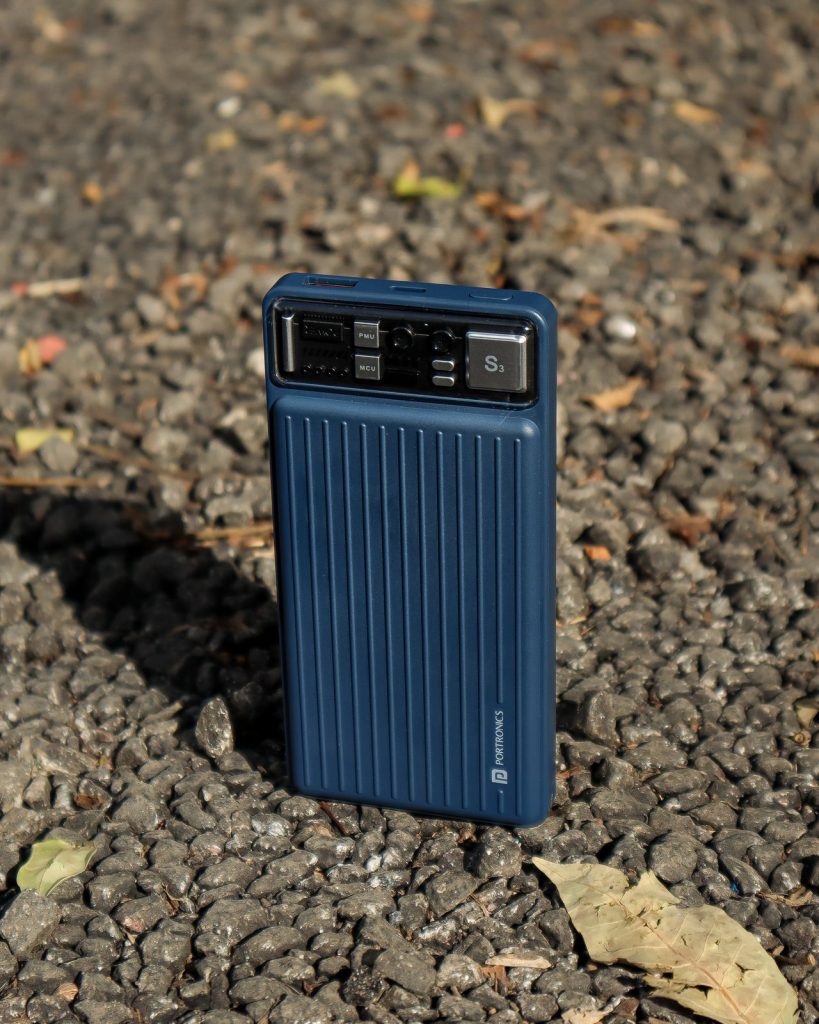
A reliable mobile power supply flood emergency service helps move temporary electricity solutions to locations affected by rising water, blocked roads or damaged infrastructure. Depending on the situation, this may involve portable generators, battery power stations, inverters, solar backup units or larger mobile generator sets.
The equipment alone is not enough. Safe transport, correct sizing, suitable installation and proper fuel planning all matter when power is being delivered into a flooded environment.
Work Out What Actually Needs to Stay Powered
The first step is deciding which appliances or systems are essential. Trying to power an entire building may require a much larger generator than keeping only basic equipment running.
Emergency power is commonly needed for:
- Lights and phone charging
- Water pumping equipment
- Refrigerators and freezers
- Medical devices
- Communication systems
- Security equipment
- Computers and payment terminals
- Fans and basic office appliances
A household may only need a portable power station for lighting, phones and a small fan. A pharmacy, supermarket or health facility may require a generator capable of supporting refrigeration and other high-demand equipment.
List the appliances, their power ratings and the expected operating hours before arranging delivery. This helps avoid sending equipment that is too small or unnecessarily expensive.
Flooded Roads Change the Delivery Plan
A normal delivery vehicle may not be able to reach the property once water rises. The safest approach is to confirm road conditions shortly before dispatch.
The receiver should provide recent photos, videos and information about the nearest accessible landmark. In parts of Lekki, Ajah, Ikorodu, Port Harcourt or Yenagoa, the equipment may need to be delivered to a dry transfer point rather than directly to the building.
From there, smaller equipment may be moved using a suitable boat or another approved method. Heavy generators require more careful coordination because ordinary passenger boats may not safely support their weight.
Travo.ng can help arrange vehicles, equipment handling and water transport where different stages of the journey require different transport options.
Protect Power Equipment From Water
Generators, batteries and inverter systems should not be placed directly on wet ground. They need a raised, stable and dry operating surface.
Sensitive parts such as control panels, sockets, cables and battery terminals should remain protected during transport. Waterproof covering can reduce exposure to rain, but the equipment must still receive proper ventilation when operating.
Generators should never be run inside bedrooms, corridors, enclosed shops or poorly ventilated spaces. Exhaust fumes can build up quickly and create a serious health risk.
Cables should also be kept away from standing water. Improvised connections, damaged extension leads and exposed wires should not be used during an emergency.
Plan Fuel and Battery Runtime Before Dispatch
A generator without enough fuel or a power station with insufficient battery capacity may stop working before the emergency is over.
Confirm:
- Expected operating hours
- Estimated fuel consumption
- Available fuel storage
- Whether refuelling will be possible
- Battery charging requirements
- The availability of solar panels or grid power
Fuel should be transported in approved containers and kept away from ignition sources. Do not send loose petrol containers inside the same enclosed space as passengers.
For battery-powered systems, check whether the unit can support the required appliances continuously or only for a few hours.
What to Provide When Requesting Emergency Power
Accurate details make it easier to select the right equipment and vehicle.
Provide the exact location, nearest dry access point, type of building, appliances to be powered and expected duration of use. Also state whether the site has stairs, narrow entrances or limited space for unloading.
For larger generators, confirm whether lifting equipment or additional handlers will be required. Sending a heavy unit without a practical unloading plan can delay the entire response.
Get Emergency Power Delivered With Travo.ng
A dependable mobile power supply flood emergency arrangement requires more than finding an available generator. The equipment must match the power demand, reach the location safely and be installed away from water and enclosed spaces.
Travo.ng helps households, businesses, estates and organisations coordinate generator transport, portable power delivery, vehicle hire, boat movement and emergency logistics across Nigeria.
By planning the equipment, route and handling requirements together, temporary power can reach affected locations faster and operate more safely throughout the emergency.
